Water Dragon Evolution
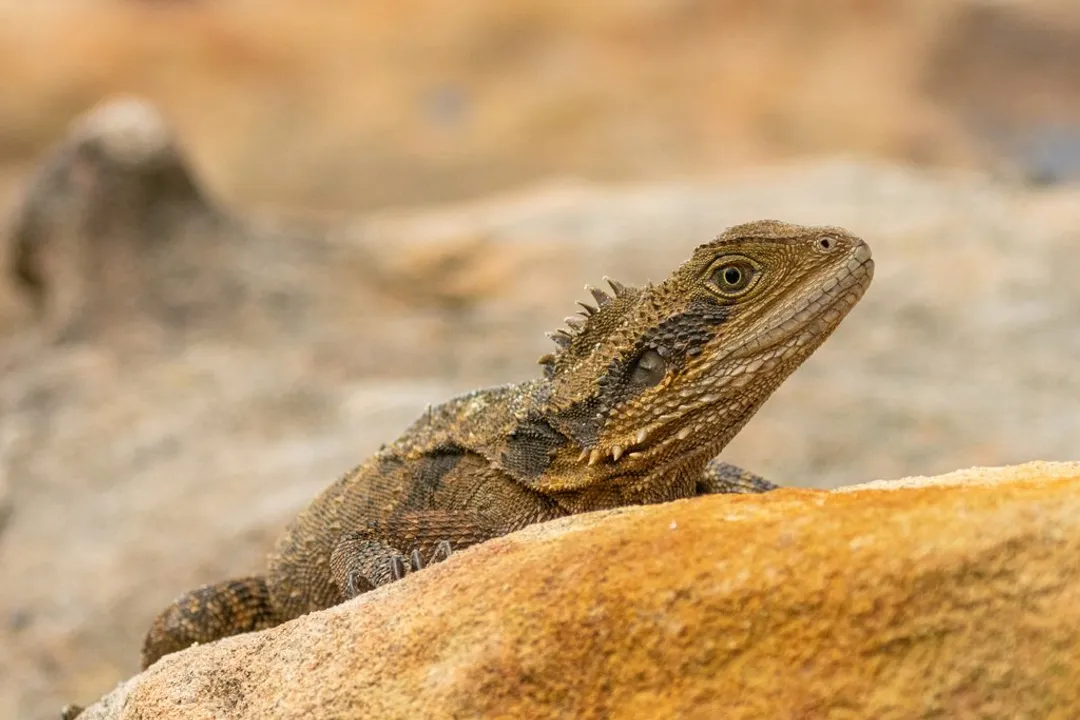
The concept of the "Water Dragon Evolution" rarely settles on a single path; instead, it branches immediately into two distinct, yet equally fascinating, realms: the observed, rapid shifts in real-world reptile populations and the structured, often dramatic transformations within digital mythologies. To discuss this topic requires balancing scientific observation with the lore crafted by game developers and world-builders. The Australian Water Dragon, Intellagama lesueurii, provides a concrete starting point, representing the tangible subject of evolutionary study. These lizards are commonly found along the eastern coast of Australia, inhabiting areas near water sources like creeks, rivers, and coastal areas. Their biology and ecology are well-documented, giving us a baseline against which to measure change.
# Reptile Changes
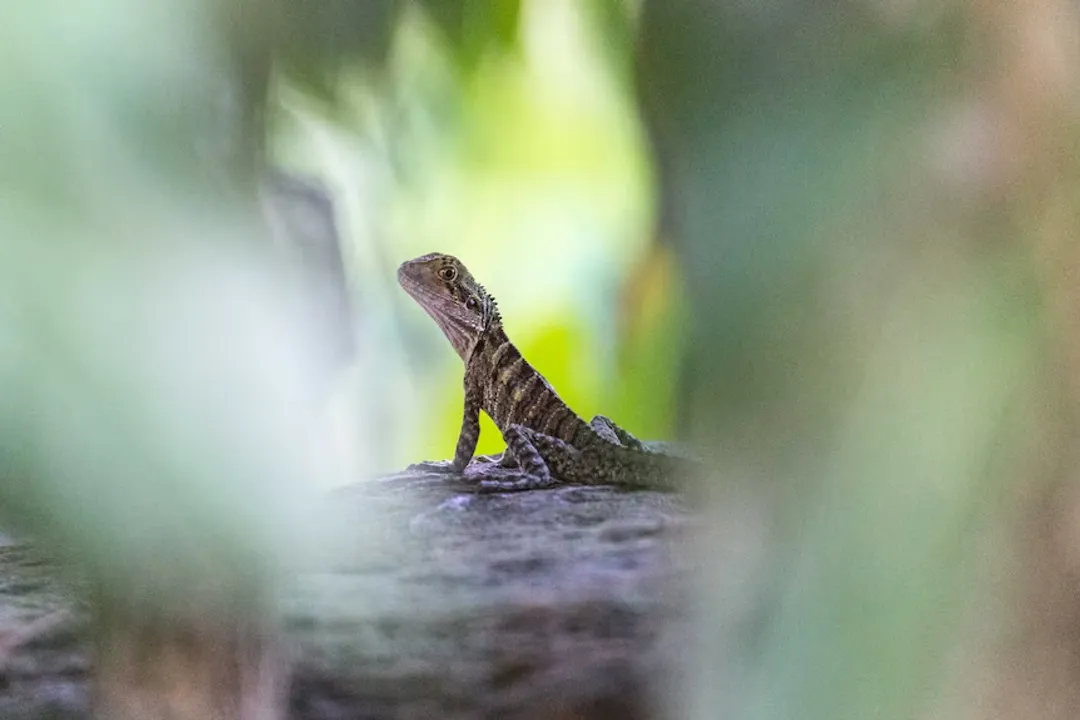
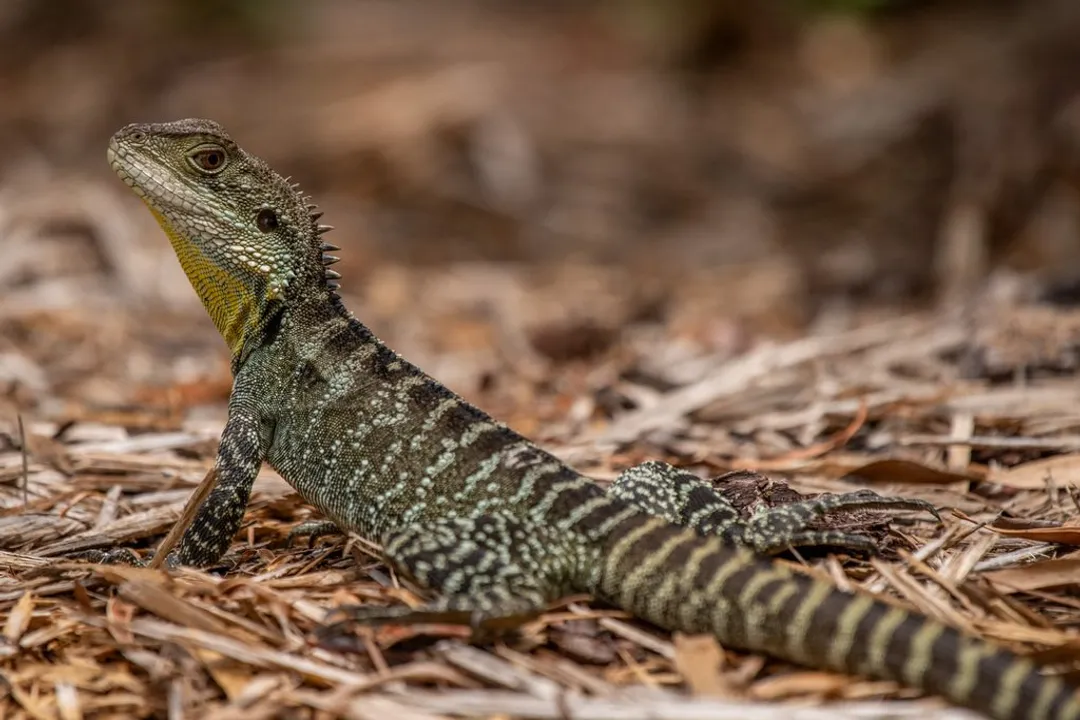
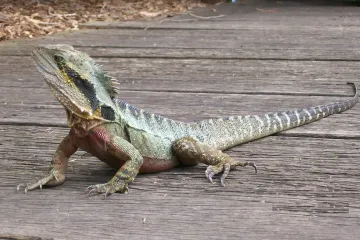
The Australian Museum notes that these reptiles are generally recognized by their olive-green to brownish coloration, often with dark bands, and males frequently display brighter colors, particularly the vivid turquoise or blue patches on their throat region. While traditional evolutionary timescales stretch over millennia, recent observations suggest that certain populations of these very same reptiles are adapting to human-dominated environments at a pace that is surprisingly rapid, even visible within a single human lifespan. This phenomenon challenges the common perception of evolution as a slow, almost imperceptible process.
# Urban Pressures
The acceleration of evolutionary changes in urban Water Dragons offers a compelling case study in contemporary ecology. When creatures like I. lesueurii are forced to persist in environments drastically altered by human construction, selection pressures shift dramatically and immediately. For instance, changes in available food sources, increased exposure to artificial structures, or differing predator profiles in a suburban park versus a remote riverbank can favor specific traits over others. The rate at which these shifts occur is directly proportional to the intensity of the selection gradient imposed by the urban setting. Where development is heavy, the genetic bottlenecks and subsequent fixation of new traits happen much faster than in undisturbed habitats.
If we consider the timescale difference, this observed urban adaptation is almost instantaneous relative to the deep history of life. While a change in the average snout length or pigment density might take thousands of generations in the wild to become statistically significant, in a rapidly urbanizing zone, such a shift can become pronounced within a few decades, allowing researchers to track the process almost in real-time. An interesting parallel emerges when examining the frequency of darker pigmentation in environments with dark, heat-absorbing artificial surfaces compared to lighter, natural river stones; traits that aid in thermoregulation or camouflage against novel backgrounds are quickly favored. This contrasts sharply with the slow, incremental changes typically discussed in macroevolutionary contexts where speciation might be the end result over millions of years.
# Digital Lineages
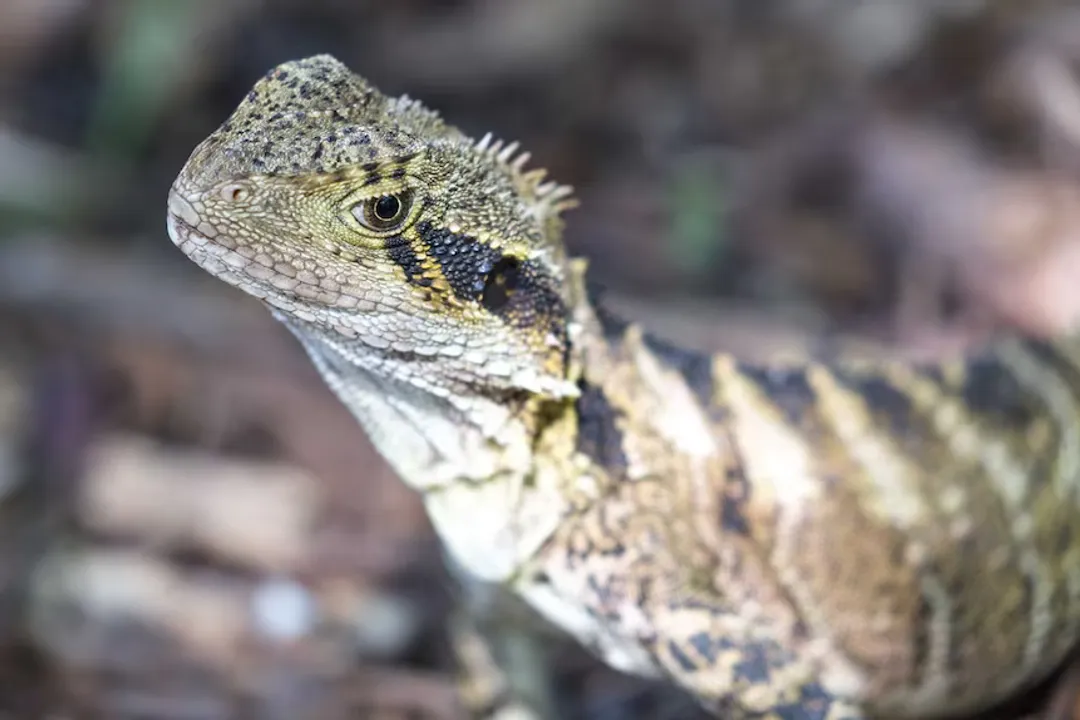
Moving from the living reptile to the mythical beast reveals "evolution" as a design feature rather than a biological imperative. In video games and fantasy settings, the Water Dragon often adheres to elemental archetypes, frequently associated with the Dragon type, which in systems like Pokémon, is generally considered powerful and often possesses a dual typing, though the core Dragon type is itself a specific classification. Fictional evolution paths tend to be less about environmental fitness and more about narrative progression or player progression systems.
# Game Mechanics
Digital creatures often undergo transformations governed by strict, predetermined rules, which are significantly different from the probabilistic nature of natural selection. For example, in the mobile game Summoners Summoners War, monsters undergo an "evolution" or "awakening" process that grants them stat boosts and visual alterations, moving them through fixed ranks like 2-star to 6-star. This is a controlled, repeatable ascension tied to collecting specific resources, entirely divorced from ecological success. Similarly, in the DragonVale context, specific elemental combinations, such as Water and Metal, result in a predictable creature—the Water Dragon—whose development follows a set recipe. The existence of these set charts highlights a key difference: a player's choice or resource expenditure dictates the next stage, whereas in nature, the environment acts as the ultimate, indifferent editor.
It is fascinating to compare the fixed, recipe-like evolution in games like DragonVale with the adaptive pressures faced by real Intellagama species. A player might breed a Water Dragon with an Earth Dragon to ensure they get a Swamp Dragon, a deterministic outcome. Conversely, a real Water Dragon's offspring's traits are a lottery influenced by parental genes, but their survival to the next reproductive stage is entirely dependent on whether those traits help them evade a predator or find food in their specific location. One is an act of creation guided by player intent; the other is a test of fitness against stochastic natural events.
# Elemental Typing
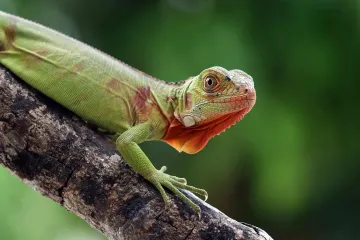
The assignment of "Water" as an elemental type in media often implies specific abilities—control over liquids, cold resistance, or high survivability—which might contrast with the actual capabilities of the real-world animal, which relies on terrestrial and arboreal adaptations augmented by its proximity to water. While the Pokémon type system classifies the Dragon type as distinct and often mythologically powerful, the real Australian Water Dragon is simply a lizard that happens to utilize aquatic habitats. The media portrayal simplifies complex biology into a neat, oppositional system of elemental strengths and weaknesses, which serves game balance but bears little resemblance to the intricate, multi-trait evolution seen in actual populations.
# Visual Progression
The visual spectacle of these transformations is a major draw across all media, whether through animated cinematics in games or time-lapse photography of a real lizard growing. The Summoners War evolution chart specifically visualizes this change, showing creatures becoming more ornate, often gaining armor or more pronounced features as they reach higher ranks. For instance, the base creature transforms into a more imposing, visually distinct version upon reaching the next tier of power. This visual escalation is analogous, in a purely aesthetic sense, to how many reptiles develop more pronounced secondary sexual characteristics, like larger crests or brighter dewlaps, as they mature and gain social standing. However, the reason for the change is fundamentally different: in the game, it's a reward for investment; in nature, it's a marker of reproductive viability achieved through surviving earlier life stages.
To truly appreciate the breadth of "Water Dragon Evolution," one must look at the complexity behind these disparate examples. The academic study of evolution, exemplified by research on evolutionary dynamics, grounds the real-world observations, providing the tools to analyze why certain genes become common within a population, which is the true engine of biological change. This scientific underpinning gives weight to the casual observations of urban adaptation reported in the news.
# Comparing Contexts
A synthesized view of Water Dragon evolution—from the Australian bush to the digital arena—reveals more about us and our need to categorize the powerful than it does about any single species. The real-world reptile evolves to survive the next decade under the shadow of development, its success measured in offspring that reach maturity. The digital dragon evolves when its summoner feeds it the right amount of mana or magic essence, its success measured in combat efficiency.
If one were to look at the ecological requirements versus the in-game costs, the disparity is clear. A real water dragon needs a clean water source and appropriate basking spots, factors that developers of games like DragonVale often abstract into elemental scores or terrain requirements. The ability of the real lizard to adapt its behavior—perhaps spending more time on paved surfaces to warm up quickly, a shift noted in urban areas—is a direct, flexible response to novelty. In contrast, a game like Summoners War demands a precise, linear investment, creating a creature whose evolution is a guaranteed, pre-programmed result, offering a sense of mastery that true natural evolution can never afford its participants. This desire for predictable progression explains why fictional evolution charts are so satisfying to players—they represent complete control over an otherwise chaotic natural process. The very existence of these media types, from museum facts to gaming guides, shows how deeply ingrained the concept of the dragon, and its transformation, is in human imagination.
#Videos
How to evolve the Water Dragon Whip into Hydrostormer Tip
Evolution of WATER Dragon! (Minecraft Dragons) - YouTube
Related Questions
#Citations
Water Dragon | DragonVale Wiki - Fandom
Water Dragon Evolution Chart. : r/summonerswar - Reddit
How to evolve the Water Dragon Whip into Hydrostormer Tip
These water dragons are 'evolving at a pace we can witness'
Rapid Evolution of Urban Water Dragons - Life in the City
Dragon type Pokémon - Pokemon Database
Rapid and fine-scale evolution of urban eastern water dragons
Australian Water Dragon - The Australian Museum
Eastern water dragon origin and facts - Facebook