Water Buffalo Locations
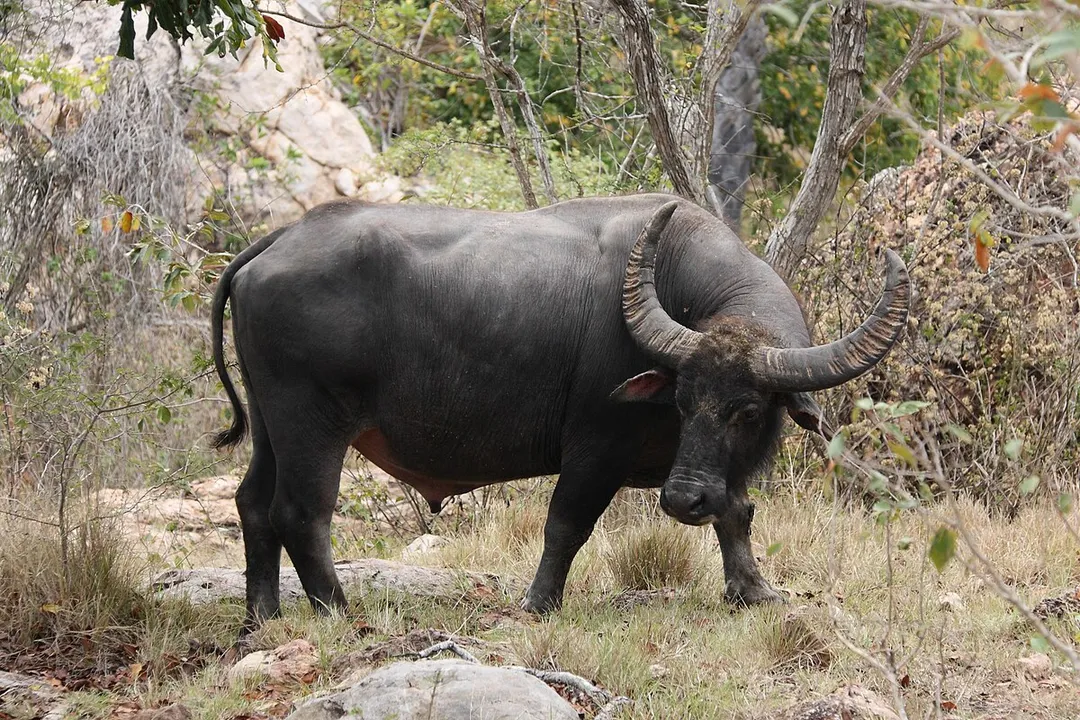
The sheer variety of places where you can find a water buffalo today is quite remarkable, spanning from ancient rice paddies in Asia to curated enclosures in European zoos and even digital landscapes in modern video games. When we speak of "locations," we are immediately splitting the context between the animal's native geography, the wide sphere of its domestication, and the specific environments dreamt up by game developers. Understanding where these large bovines reside requires looking through several distinct lenses. [1][3]
# Global Reach
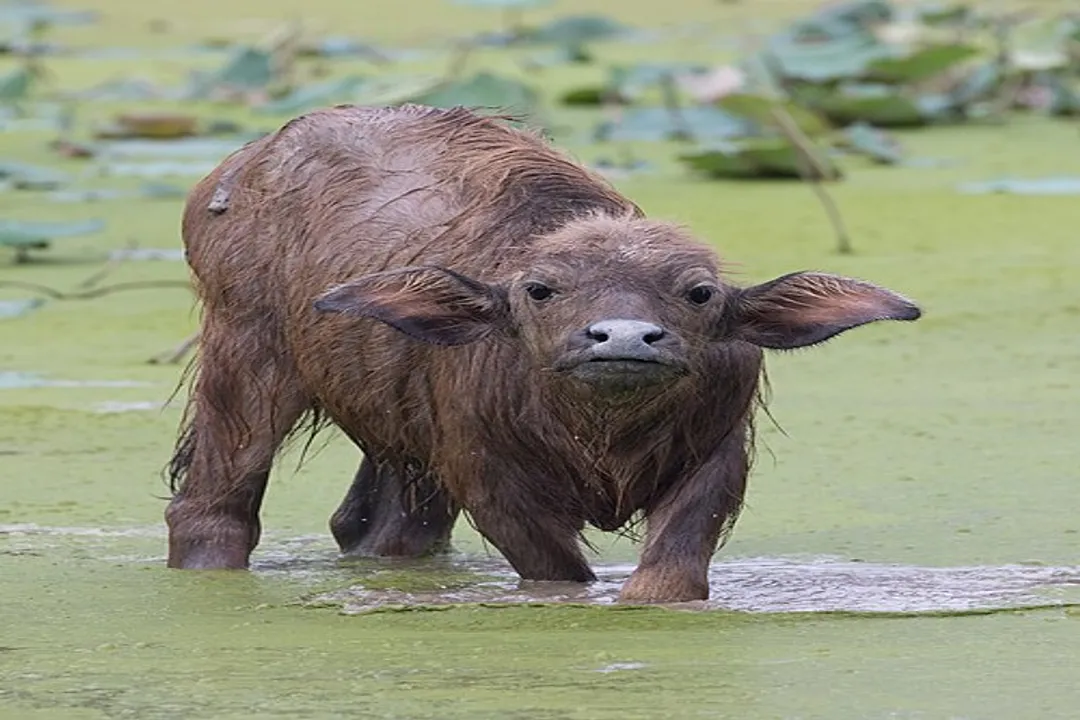
The domestic water buffalo, Bubalus bubalis, is a truly global species, a testament to its utility in agriculture, particularly concerning its rich milk and its suitability for working in muddy terrain. [3] While their ancestral roots are firmly planted in South Asia and Southeast Asia, their populations today stretch across continents. [1][3] Zoos, like the Zoological Society of East Anglia (ZSEA), house them as part of their collections, confirming their presence in European captivity. [1] Outside of their native agricultural hubs, domesticated populations thrive in South America, parts of Africa, and Australia. [1][3] This widespread distribution is a direct result of human trade and migration over millennia. [3]
# Asian Origin
The birthplace of the water buffalo is central to understanding its primary locations. The wild ancestor, Bubalus arnee, is now endangered, surviving only in remnants of swamps, forests, and marshlands across parts of Asia. [1][3] Domesticated populations split early into two main recognized types: the river buffalo and the swamp buffalo, with evidence suggesting they were domesticated independently. [3]
The river buffalo type traces its likely origin to western India, where domestication began approximately 6,300 years ago. [3] These animals subsequently dispersed westward, establishing populations in regions like Egypt, the Balkans, and even Italy, where they are still found today. [3]
The swamp buffalo type, on the other hand, has roots in Mainland Southeast Asia, domesticated between 3,000 and 7,000 years ago. [3] This lineage moved eastward, spreading across the rest of Southeast Asia and reaching as far as the Yangtze Valley in China. [3] This initial geographic split in domestication—westward for the river type and eastward for the swamp type—has resulted in significant morphological and behavioral differences, even though they can sometimes produce fertile offspring. [3] For instance, river buffaloes generally have 50 chromosomes, while swamp buffaloes have 48. [3] It is fascinating to note that while the river buffalo in India is often prioritized for milk production, the swamp buffalo remains the primary animal for heavy field labor across much of Southeast Asia. [1][3]
# Feral Zones
Beyond managed agricultural settings, water buffalo have established significant feral populations in areas where they were introduced, often escaping or being released from colonial-era introductions. [3] The largest feral herds are famously found in northern Australia, where they were introduced in the late 19th century from British colonies along the Cobourg Peninsula. [3][5] These Australian herds became an unexpected part of Indigenous culture, with the animals being depicted in ancient rock art sites like Djarrng near Gunbalanya, where Aboriginal Australians called them nganaparru. [1]
Furthermore, smaller feral groups can be located in several other disparate regions. These include Papua New Guinea, Tunisia, and northeastern Argentina. [3] South American locations for feral herds also extend to Colombia, Guyana, Suriname, Brazil, and Uruguay. [3] These introduced populations sometimes serve an unexpected modern purpose: conservation grazing in wetlands, where their ability to manage tough vegetation and survive in wet conditions is preferred over domestic cattle. [1] This functional relocation contrasts sharply with their traditional role as the "living tractor of the East" in paddy fields. [1]
# Gaming Worlds
The concept of "location" takes a sharp turn when moving from ecology to entertainment software, where specific maps or zones dictate where players can encounter these animals, usually for resources or challenges. [5][6] Two major game franchises feature the water buffalo, each placing them in distinctly different fictional worlds.
# Hunter Hotspots
In the hunting simulation game The Hunter: Call of the Wild, the water buffalo is a target species, and its location is tied to a specific reserve. [5] The primary habitat for this animal in the game is Parque Fernando. [2][5] Within that reserve, the specific zone identified for finding these large bovids is Piccabeen Bay. [5] For hunters aiming for specific objectives, finding the rare or named specimens adds another layer of geographical precision. For instance, tracking down the named "Ravager Buffalo" requires a very specific coordinate search: near a large beach north of Piccabeen Bay, marked around X: 6.273, Y: 6.330. [5] The game mechanics emphasize the animal's aggressive nature, as hunters must be cautious not to get too close or risk a charge. [5] The necessary ammunition to harvest them successfully is also specified, ranging from the .454 Revolver for close-quarters challenges to the powerful .340 Weatherby Magnum Bolt Action Rifle for heavy trophy hunting. [5]
# Winds Meeting
Another virtual location set for the water buffalo is found in the world of Where Winds Meet. Here, they are categorized simply as a "Beast" creature that can be hunted for materials like Prime Meat Cut. [6] Unlike the single-reserve focus of The Hunter, this game places the buffalo across several named zones within the broader Kaifeng region. [6] The specific clusters of the animal are mapped out numerically:
- Plainfield (within the Granary of Plenty): 6 individuals. [6]
- Gracetown (within the Granary of Plenty): 2 individuals. [6]
- Kaifeng Suburbs - South: 1 individual. [6]
If a player were trying to maximize their harvest efficiency in this game world, a quick assessment suggests prioritizing the Plainfield area within the Granary of Plenty, as it offers the highest density of six individuals in one spot. [6] This contrasts with the Zelda universe, which, based on the available information, seems less focused on resource farming of these specific creatures, as one source indicated unretrievable data regarding their locations in Hyrule. [4]
# Cultured Settings
Thinking about locations culturally, the water buffalo's significance creates a different kind of map. In Indonesia, particularly Sulawesi, the piebald Tedong bonga is favored by the Toraja people, making their traditional lands a location of high cultural value for this specific coloration. [1] Similarly, in the Philippines, the carabao (a type of swamp buffalo) is considered a national symbol, making its ceremonial appearances, such as the kneeling during the Pulilan Carabao Festival on May 14th and 15th, important cultural locations. [1] From the wild habitats of Asia where they are nocturnal feeders, [1] to the ancient trade routes linking the Indus Valley Civilization with Mesopotamia (modern Iraq) around 2500 BC, [3] the water buffalo has left its mark on numerous real and imagined geographies. [3] Their presence—whether as a living tractor, a source of high-fat milk for cheeses like mozzarella in Italy, or a target on a digital reserve—ensures their location remains relevant across the globe and across media. [1][3]
#Videos
Parque Fernando Water Buffalo Guide | TheHunter Call Of The Wild ...
Best Spot for Water Buffalo TheHunter Call of the Wild - YouTube
Related Questions
#Citations
Water buffalo - Wikipedia
Water Buffalo | The Hunter Wikia | Fandom
Parque Fernando Water Buffalo Guide | TheHunter Call Of The Wild ...
Water Buffalo - Where Winds Meet Wiki - FextraLife
Water Buffalo - Zoological Society Of East Anglia