Water Vole Evolution
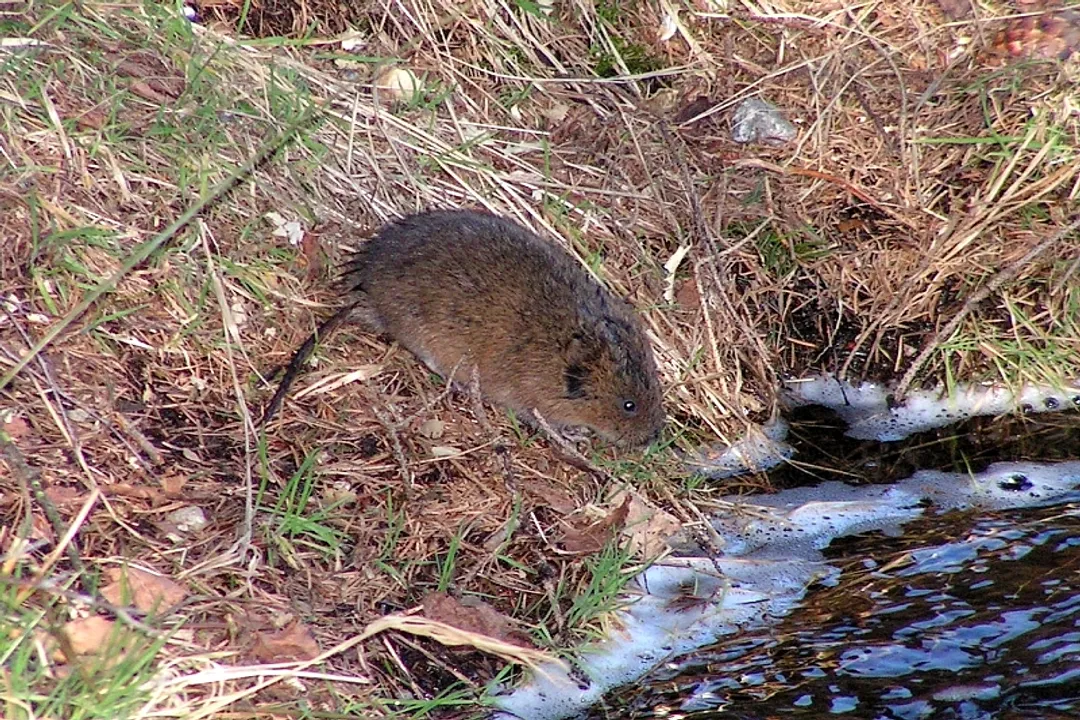
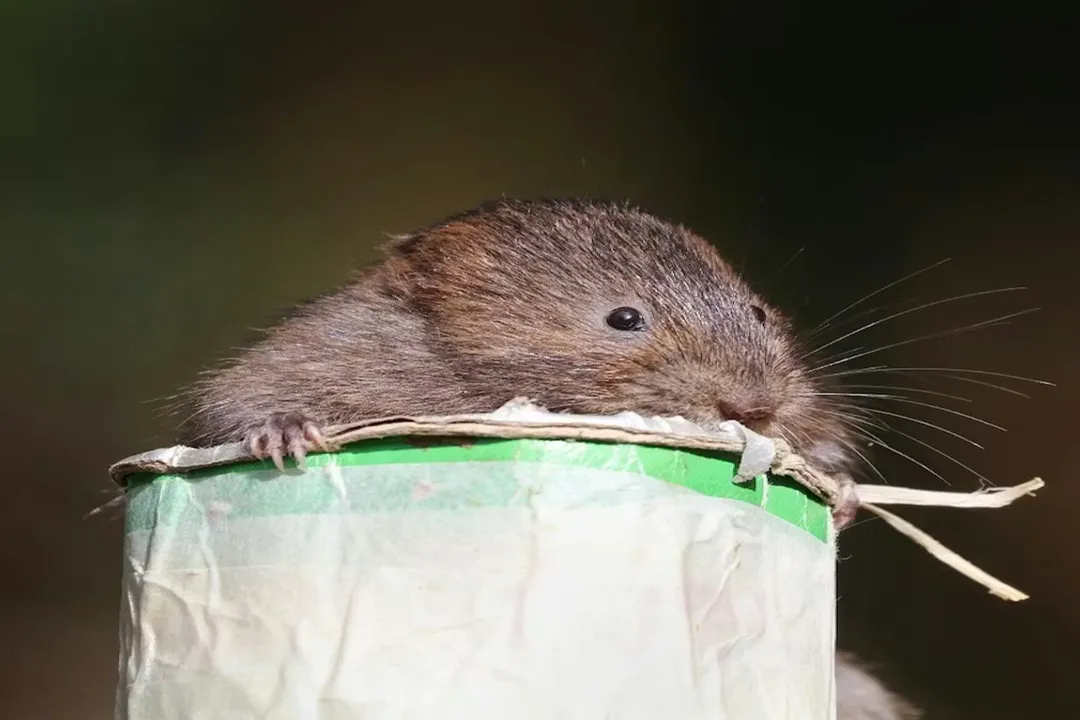
The water vole, a creature often affectionately known as 'Ratty' after its famous literary portrayal, represents a fascinating case study in mammalian evolution, especially concerning its response to dramatic climate shifts over the last Ice Age and, more recently, human intervention. While colloquially associated with rats, the water vole belongs to the genus Arvicola within the Cricetidae family, a lineage whose deep evolutionary placement is still being refined; some recent molecular work suggests Arvicola might form a sister group to the tribe Lagurini rather than the Arvicolini tribe it is named for. Understanding their evolution requires looking at their dispersal from warmer refugia, the resulting genetic structure across their range, and the unique morphological traits that allow them to thrive in their semi-aquatic niche.
# Arvicola Grouping
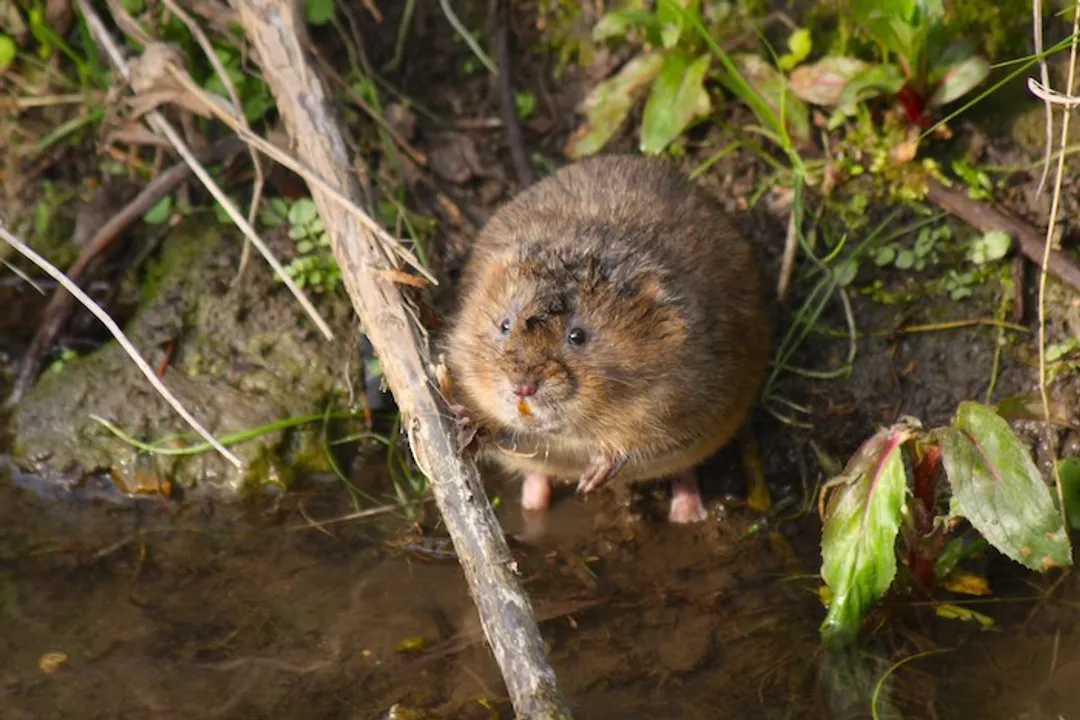
The genus Arvicola encompasses several closely related species, though the exact count has varied historically, reflecting ongoing scientific debate about lineage separation. Currently, the International Union for Conservation of Nature (IUCN) recognizes three main species: Arvicola amphibius, the European or northern water vole, which covers much of Eurasia; A. sapidus, the southwestern or southern water vole found in Portugal, Spain, and France; and A. scherman, the montane water vole inhabiting European mountain systems like the Alps and Pyrenees. However, morphological and genetic studies often reveal complexity; for instance, mtDNA analysis does not consistently support elevating the montane vole (A. scherman) to full species status, whereas the divergence between A. amphibius and A. sapidus appears clearer at the species level. Morphologically, these voles are large for their family, with head and body lengths ranging between 12 and 22 cm, and they possess thick fur and hairy fringes on their feet which aid in swimming. Despite this adaptation, they are not perfectly evolved for the water, lacking webbed feet or the rudder-like tail seen in other aquatic mammals, relying heavily on their specialized burrows for true safety.
# Two Waves
The colonization history of water voles in Great Britain provides a clear, deep-time glimpse into postglacial evolution, revealing a history marked by distinct waves of arrival rather than continuous presence. Following the retreat of the ice sheets from the last glacial maximum (LGM), a period crucial in shaping the modern Holarctic fauna, temperate-climate species began recolonizing the north. Studies utilizing ancient DNA (aDNA) and radiocarbon dating have shown that the British water vole population structure today is the result of at least two separate colonization events, a pattern frequently observed in British small mammals referred to as the 'Celtic fringe' distribution.
The evidence points to an initial wave, represented today by the genetic Clade 1. These early colonizers were present in Southern England before the LGM, with samples dated back as far as 27,955 Before Present (BP). This population likely survived subsequent climatic shifts, potentially finding refuge in the relatively milder conditions of what is now Scotland or Wales—the "Celtic fringe". Following the Pleistocene, as conditions warmed, a second wave—Clade 2—arrived, likely via the Doggerland land bridge connecting Britain to continental Europe before its final inundation around 8,000 BP.
The distinction is striking: the modern Scottish population (Clade 1) is genetically linked to Iberian glacial refugia, whereas the majority of modern English and Welsh populations (Clade 2) are derived from an Eastern European source. The replacement of Clade 1 by Clade 2 across England seems to have occurred between 12,000 and 8,000 BP. Interestingly, this replacement might not have been driven by superior ecological fitness in the newly established Holocene lowlands, but perhaps by the harsh climate of the Younger Dryas (YD) which severely reduced the initial population, allowing the later, rapidly expanding wave to dominate the vacated landscape in the south.
# Celtic Fringe
The genetic division between the northern (Scottish) and southern (English/Welsh) water vole populations in Britain is one of the clearest molecular manifestations of the 'Celtic fringe' hypothesis in small mammals. The study tracing these origins found that while the general trend holds—Scottish samples clustering with Iberian lineages (Clade 1) and English/Welsh samples with Eastern European ones (Clade 2)—there are minor exceptions. For instance, one English sample from Northumberland, directly adjacent to the Scottish border, clustered with the Scottish clade, likely due to recent proximity and gene flow. Another anomaly was a sample from Read's Island (Humber Estuary, East Yorkshire), which fell into the Scottish Clade 1, potentially representing a small, isolated relict population of the very first colonizers that managed to persist south of the main replacement zone.
The fact that water voles, unlike many other species studied, did not exhibit a major drop in overall genetic diversity across the Pleistocene-Holocene transition is noteworthy from an evolutionary standpoint. While replacement occurred in England, the species seems to have maintained a wide variety of lineages across its broader European range, suggesting that its ability to persist in various refugia kept its overall evolutionary breadth intact.
# Aquatic Form
The physical form of the water vole is a testament to the environmental pressures of riparian living. They are ecosystem engineers; through their constant consumption of vegetation, they prevent a single plant species from dominating, thereby increasing local biodiversity. They require abundant, lush vegetation for their diet, often needing to consume up to 80% of their body weight daily. Furthermore, their characteristic digging behaviour to create complex burrows not only provides shelter but also has specific physical impacts on their habitat. The creation of these burrows, often featuring underwater entrances for escape, helps to dry out the soil and promotes microbial activity that assists in regulating nitrogen levels in the riverbank soil. When considering conservation, which often focuses on reintroduction following local extinction—a grim reality for the species across 90% of its former UK range by the 1990s—the quality of the bank structure itself is as much an evolutionary constraint as the water level. The survival strategy hinges not just on swimming ability but on the physical integrity of the banks that house their escape routes.
# Modern Pressures
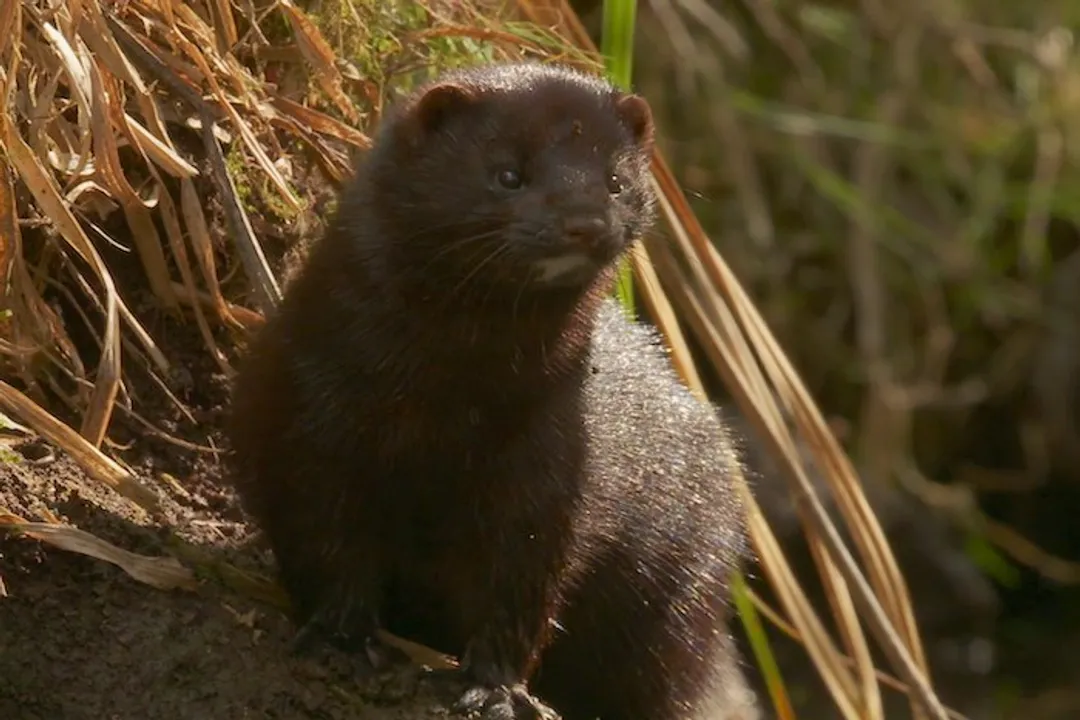
The evolutionary story of the water vole is currently dominated by a sharp, recent chapter driven by human activity. Historically abundant, with estimates reaching 8 million individuals in the early 1900s, their numbers plummeted to around 100,000 today. While habitat degradation from agricultural intensification following the World Wars played a significant role, the most catastrophic factor has been the introduction of the non-native American mink (Neovison vison).
Mink, which began escaping from fur farms starting in the 1920s, found the water vole an easily accessible prey source because the voles evolved defense mechanisms only against native predators like foxes, owls, and herons. Native predators are generally deterred by the vole’s rapid diving escape or by retreating into its burrow; however, the slim female mink is perfectly adapted to follow the vole directly into its underground chambers, leading to the complete extinction of local colonies within a single breeding season. This recent, intense selective pressure from an invasive species represents an evolutionary hurdle far faster and more severe than the gradual climatic shifts they navigated thousands of years ago. Modern efforts to save the water vole, such as the 'Restoring Ratty' project in Northumberland or reintroductions in Cornwall, are now focused on aggressive mink control alongside habitat management to give the species a fighting chance to maintain its existing genetic diversity against this immediate threat. This contemporary struggle highlights that while ancient genetics reveal long-term persistence through ice ages, current evolution is being shaped by the rapid dispersal of non-native threats.
The ability of water voles to sustain such high reproductive rates—up to 30 offspring per female per season—is clearly an evolutionary trait geared towards surviving high background mortality, which they managed successfully for millennia against native predators, but which is now proving insufficient against the efficiency of the mink. For conservation managers overseeing reintroductions, understanding this reproductive potential against the backdrop of predation risk is key to setting realistic population targets for viability.
Related Questions
#Citations
Arvicola - Wikipedia
Phylogeographic Structure and Postglacial Evolutionary History of ...
HISTORY - Water Vole
The colonization history of British water vole (Arvicola amphibius ...
Getting to Know the Water Vole | Herts and Middlesex Wildlife Trust
Water Vole Reintroductions - Mossy Earth
The water vole - Leicestershire and Rutland Wildlife Trust