Water Buffalo Facts
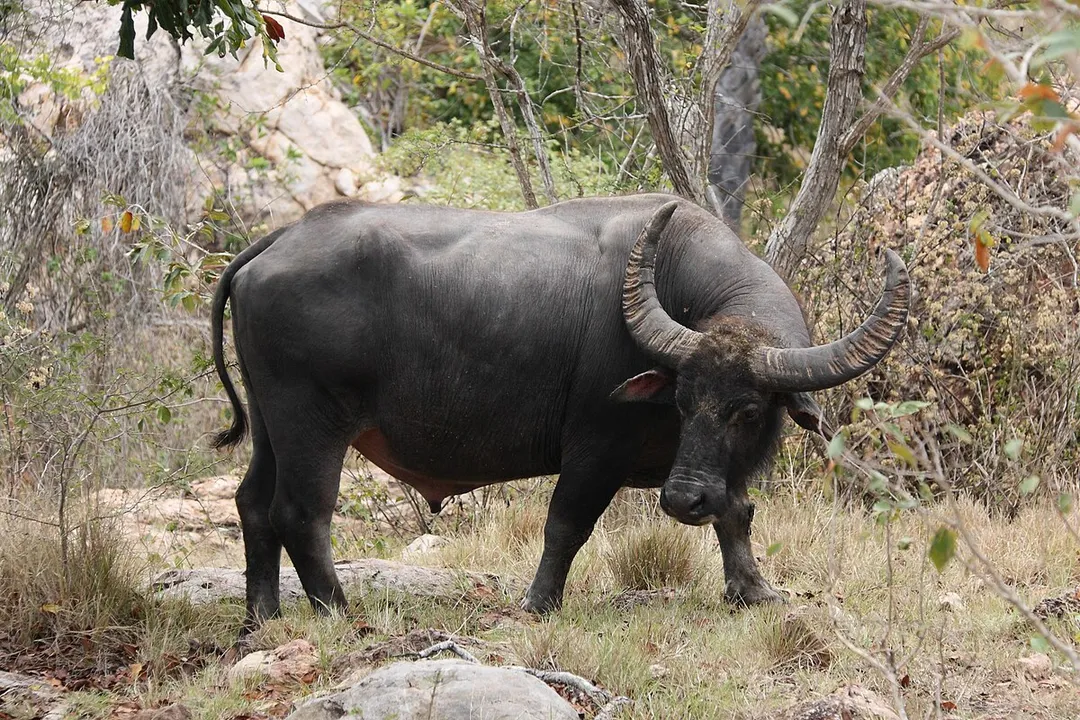
Water buffalo, majestic and often misunderstood large bovines, hold a profound connection with human civilization, particularly across Asia, where they have supported agriculture and provided sustenance for millennia. [3][8] These powerful animals are more than just cattle replacements; they possess unique physiological adaptations and a distinct history that separates them from their more common bovine relatives. [1] Their sheer presence, especially the males with their imposing horns, commands respect in the wetlands and paddies they inhabit. [9]
# Species Distinction
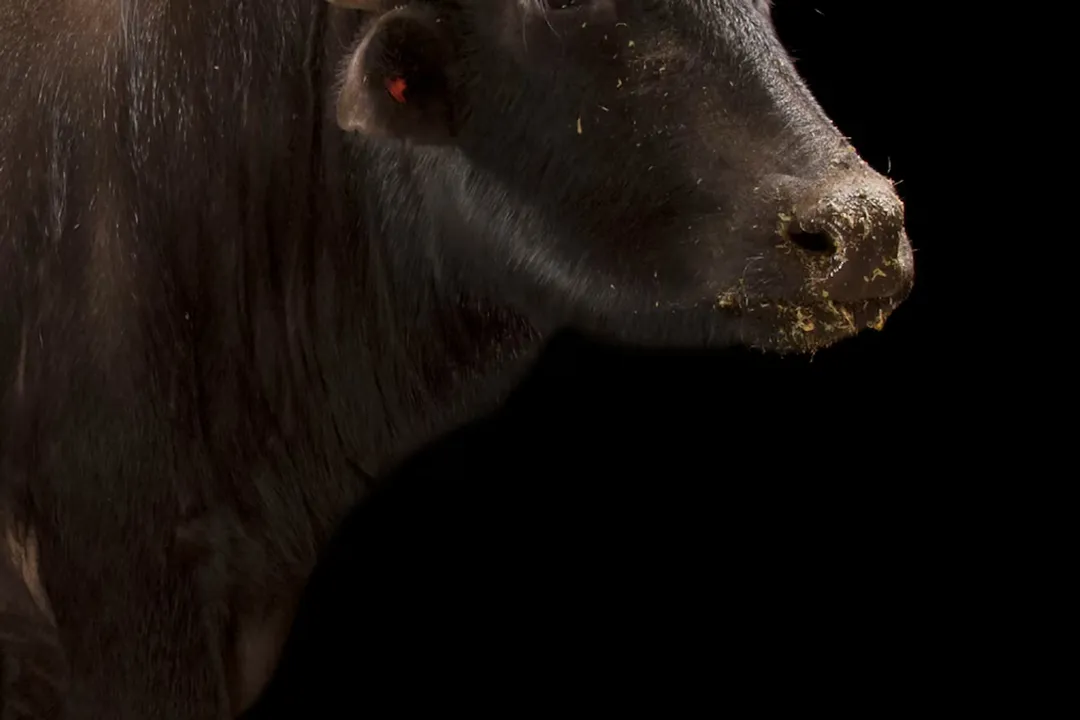
The term "water buffalo" actually encompasses a few different types, most notably categorized into two main domestic forms: the River buffalo and the Swamp buffalo. [1][5] These classifications reflect geographical distribution and physical traits. [1] The River buffalo, often associated with Western Asia and Europe, generally has a more compact build and slightly more curved horns that sweep backward. [1][5] These animals are renowned for their dairy production in countries like India and Pakistan. [1]
In contrast, the Swamp buffalo is typically larger and stockier, prevalent in Eastern Asia, Southeast Asia, and China. [1][5] Their horns are often much larger, widely curved, and sometimes resemble a massive crescent shape. [1] While both types are utilized as draught animals—powerful beasts of burden for plowing wet fields—the Swamp buffalo is particularly valued for heavy tillage due to its build. [5] Beyond these domestic groups, there are also truly wild water buffalo, such as the critically endangered Asiatic wild water buffalo (Bubalus arnee), which represents the ancestor of the domesticated forms. [1][7] Recognizing the difference between the domestic forms and their truly wild cousins is important, as the conservation status varies drastically between them. [7] For instance, while domestic populations number in the millions, wild populations are severely threatened. [1][7]
# Physical Characteristics
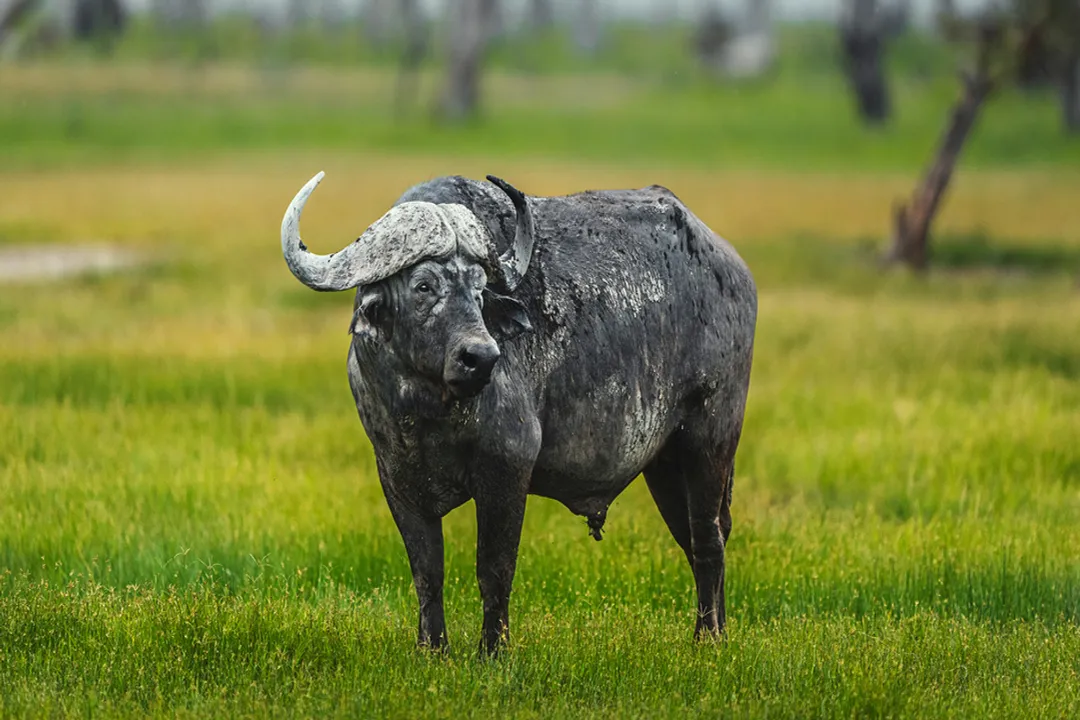
Water buffalo are built for strength and resilience. Adult males, or bulls, can be considerably large, often weighing between 660 and 2,600 pounds, depending on the breed and diet. [9] Their hides are typically dark gray to black, though some individuals may present lighter coloration. [3][1] One of the most striking features is their impressive set of horns. [1] Unlike the horns of domestic cattle that often grow forward or curve inward, the water buffalo's horns usually sweep back in a wide arc or crescent shape. [3] These horns can grow quite long, sometimes exceeding 7 feet tip-to-tip in some records. [1]
Their skin presents an interesting vulnerability: compared to common cattle, water buffalo have relatively few sweat glands, making them poorly equipped to handle intense, direct heat without external cooling aids. [3][7] This physiological limitation directly drives one of their most defining behaviors: the necessity of wallowing. [3] Observing a water buffalo, one might notice its relatively sparse coat of hair, which is another adaptation linked to keeping cool in humid, hot environments, especially when combined with their water-seeking habits. [9]
If you observe the horn structure closely across different herds, you might notice subtle regional differences in the horn's texture or curvature, even within the River or Swamp classifications. For example, while one region's River buffalo might favor a tighter curl, another's might be more elongated and open. This variation showcases how localized breeding and environmental pressures shape even the most recognizable traits over generations, demonstrating a subtle, continuous process of adaptation within domesticated species. [1]
# The Wallowing Imperative
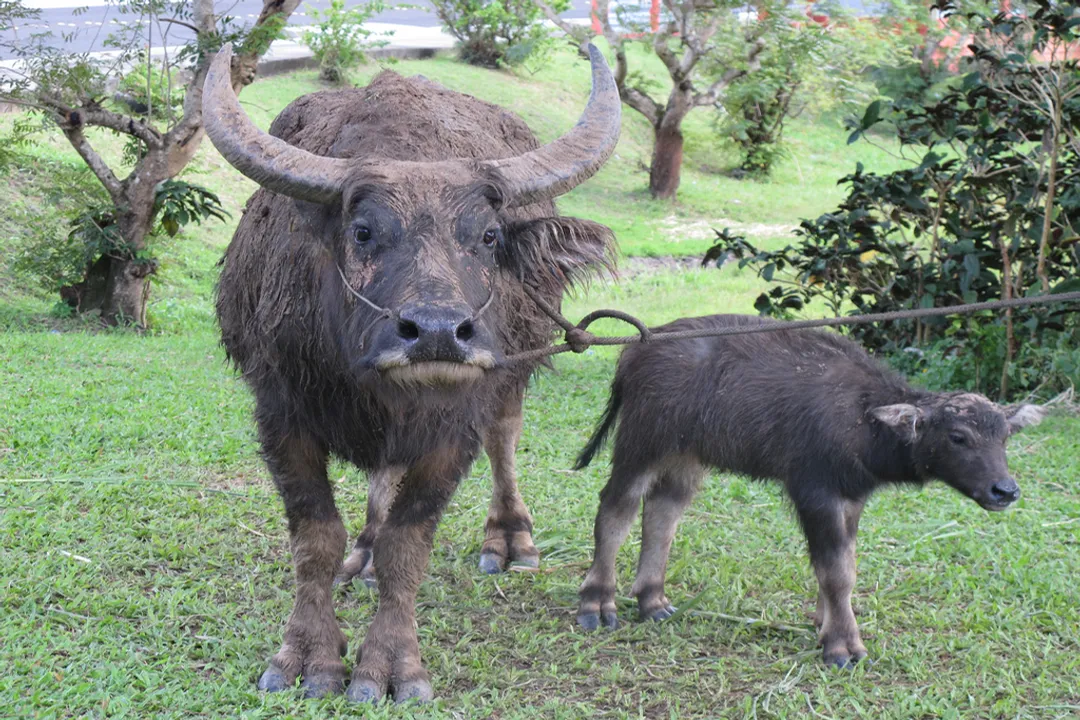
The relationship between the water buffalo and water is not merely preference; it is a fundamental requirement for their health and survival in warmer climates. [7] Because they possess fewer functional sweat glands than cattle, they cannot regulate their body temperature as effectively through perspiration. [3][7] This leads them to seek out water or thick mud to immerse themselves in—a behavior known as wallowing. [3]
Wallowing serves several critical functions. Firstly, it cools the animal down through evaporative cooling once it emerges from the water or mud, as the water layer on the skin evaporates slowly. [3] Secondly, the mud acts as a protective barrier. When the mud dries, it forms a thick crust that shields their sensitive, sparsely-haired skin from the intense tropical sun, preventing painful sunburn. [7][9] This mud coating also offers protection against biting insects and external parasites. [3][7] It is not uncommon for these animals to spend a significant portion of the day submerged, often only their eyes, ears, and snout remaining visible above the surface. [8]
A deep appreciation for their need to wallow changes how one views their management. For farmers utilizing water buffalo, ensuring constant access to a clean, deep mud wallow or a pond is just as important as providing fodder and fresh water for drinking. [3][7] In areas experiencing prolonged drought, the lack of suitable wallowing spots can lead to significant stress, reduced productivity, and even illness, illustrating that for this species, "water" in their name is truly descriptive of their ecological niche, not just a casual identifier. [3]
# Utility and Domestic Life
The domestication of the water buffalo began thousands of years ago, fundamentally altering the agricultural landscape of Asia. [1] Their strength and temperament make them ideal draught animals, capable of pulling heavy plows through the waterlogged paddy fields essential for rice cultivation. [5] This capability is often cited as a reason why certain regions developed intensive rice farming economies—the buffalo provided the necessary motive power. [8]
Beyond fieldwork, water buffalo are incredibly important sources of secondary products. Water buffalo milk is prized globally for its rich composition. [2] It contains significantly higher levels of fat, protein, and minerals than the milk from domestic cattle. [2] This high-fat content is why it is the traditional and preferred milk used to make authentic mozzarella di bufala in Italy, a testament to the animal’s global reach beyond its native Asia. [2] Furthermore, their meat, known as carabeef, is a staple protein source in many cultures. [2]
The temperament of the domesticated water buffalo is generally considered docile, especially among those raised specifically for farm work from a young age. [6] They are known to form strong bonds with their handlers. [6] While they are undeniably powerful, they are not known for the aggressive defense mechanisms sometimes displayed by their wild relatives. [6]
Consider the economics for smallholder farmers: a single water buffalo can represent a family's most valuable asset, a living tractor that requires relatively simple feed—grazing on grasses and crop residue—and whose output (milk, meat, and labor) sustains the household. [8] This multifaceted utility contrasts sharply with specialized breeds of cattle raised in Western agriculture, highlighting the water buffalo’s role as a true multi-purpose resource animal.

# Global Distribution and Conservation
Today, the vast majority of water buffalo are domesticated, found throughout South America, Southern Europe, North Africa, and the Middle East, in addition to their native Asia. [1] However, while domestic numbers thrive, the wild populations face a much bleaker outlook. [1][7]
The Asiatic wild water buffalo (Bubalus arnee) is listed as Endangered on the IUCN Red List. [7] The primary threats to wild populations are habitat loss, as grasslands are converted for human use and agriculture, and cross-breeding with domesticated buffalo, which dilutes the gene pool of the wild species. [1][7] Because they are so crucial to agricultural systems, preventing the complete disappearance of the wild gene pool is vital for maintaining the genetic diversity and hardiness of the domestic stock against future diseases or environmental changes. [7] Efforts are underway in various regions, often supported by organizations focused on wildlife preservation, to protect the remaining viable wild herds and their ecosystems. [7]
Interestingly, while their association is strongest with Asia, they were successfully introduced to other parts of the world, including Argentina, where they have become established and are sometimes managed for sustainable meat or tourism purposes. [5] This global spread underscores their adaptability, provided their basic environmental needs—specifically access to water for wallowing—can be met. [3]
In summary, the water buffalo is a creature perfectly adapted to humid, watery environments, whose strength and rich milk have woven it inextricably into the cultural and economic fabric of numerous human societies for thousands of years. [2][8] Understanding their need for mud and water reveals the key to appreciating their unique biology and ensuring their continued role, both in the field and in the wild. [3][7]
Related Questions
#Citations
Water buffalo - Wikipedia
5 Things You Didn't Know About Water Buffalo - Heifer International
Water Buffalo | National Geographic
Water Buffalo Facts #dndx1 - YouTube
Water Buffalo (Bubalus Bubalis): Facts, Size, Behavior & Swimming
Pet a water buffalo and learn Water buffalo facts - Horse N Round Fun
Buffalo: Facts, Threats, & Conservation - IFAW
Water buffalo - Johne's Information Center
Our 5 Favourite Facts about Water Buffalos - junglesuit
buffalo - Kids | Britannica Kids | Homework Help