Water Buffalo Diet
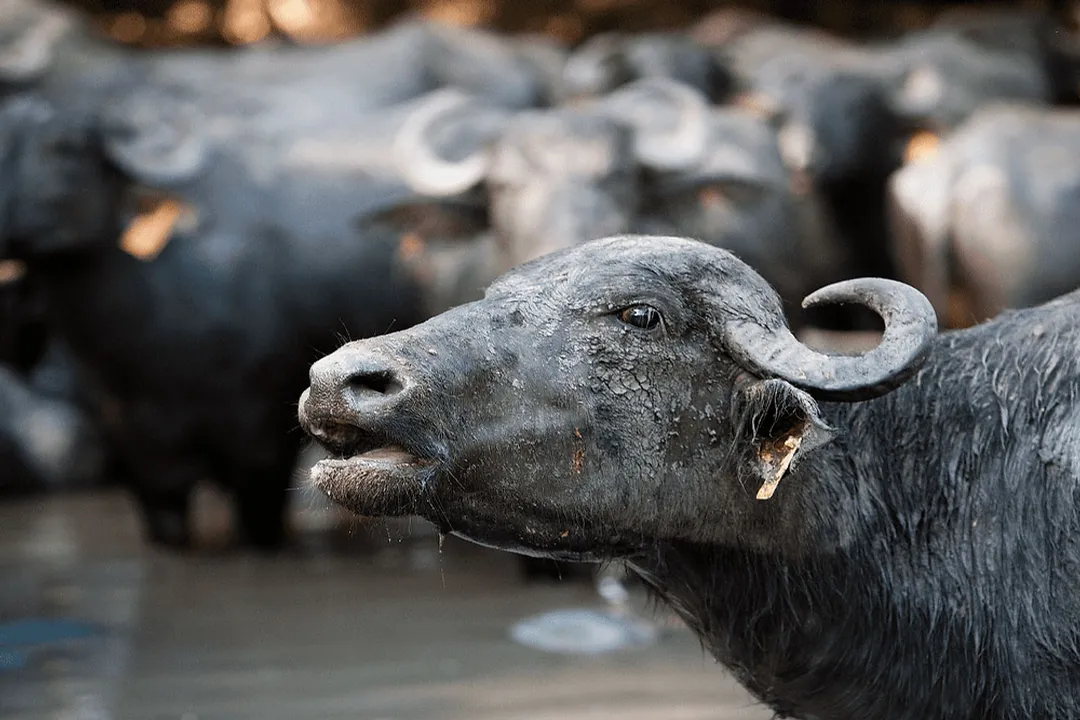
Water buffalo are immensely adaptable animals whose dietary needs shift considerably depending on their environment, whether they are roaming wild or managed intensively for milk production. [1][8] Generally classified as grazers, these large bovines have evolved to thrive on a diet consisting primarily of coarse vegetation, but their ability to utilize a wide variety of plant matter is a key reason for their success across diverse global climates. [1][3] Understanding what constitutes a proper diet is fundamental for maintaining their health, productivity, and overall well-being. [6]
# Forage Preference
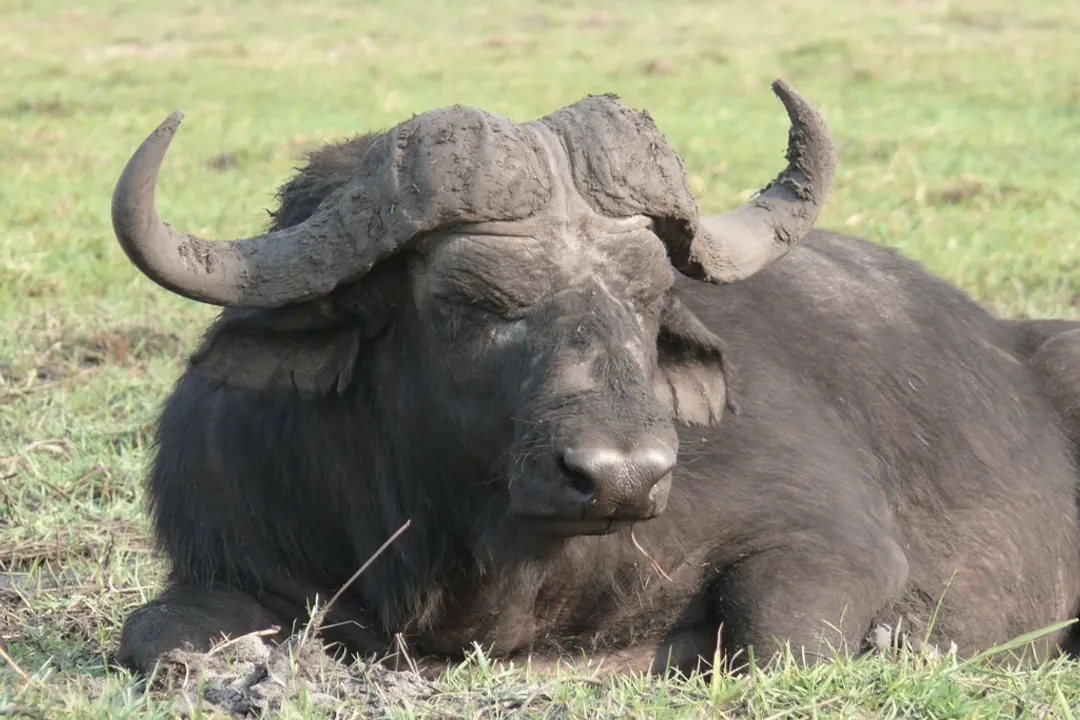
The staple of the water buffalo's diet, particularly for those in extensive management systems, is grass. [3] They are known for being selective grazers, though they possess the physical and digestive capacity to consume less palatable, high-fiber forage that other domestic ruminants might avoid. [1] In their natural or semi-wild settings, they prefer lush, green grasses, consuming large quantities daily to meet their energy demands. [3]
Wild populations, depending on the region, will consume various types of grasses and aquatic plants. [1][4] For instance, in captivity or managed settings, a healthy diet often emphasizes medium-quality forage, such as grass hay, which provides necessary roughage. [3] While they prefer grasses, water buffalo are also capable browsers, meaning they will incorporate other vegetation into their meals when grass is scarce or when their preference leads them elsewhere. [1] This flexibility is a significant biological advantage. [5] For example, some captive animals might consume tree leaves or agricultural byproducts when pasture quality declines. [3]
One interesting observation when comparing buffalo to cattle is their affinity for watery environments, which often correlates with their food sources. They frequently graze in marshy areas or along riverbanks, consuming aquatic or semi-aquatic vegetation. [1][4] This specialized foraging behavior allows them to utilize land that might be too wet or unsuitable for standard pasture grazing animals. [5] If managed on poor-quality pasture alone, farmers must be aware that weight gain or milk production will suffer, illustrating that while they can survive on low-quality feed, optimal performance requires better nutrition. [6]
A practical consideration for managers of free-ranging buffalo involves the volume of dry matter intake. A mature water buffalo can consume between 2% to 3% of its body weight in dry matter per day, though this increases significantly for high-producing dairy animals. [6] Knowing the typical dry matter content of the local forage allows a producer to estimate how much actual material the animal needs to ingest daily to maintain condition. For instance, if a 600 kg buffalo requires 2.5% dry matter, that is 15 kg of feed daily, which translates to a much higher wet weight if the feed is high in moisture, such as fresh silage or aquatic plants. [6]
# Dairy Feeding Schedules
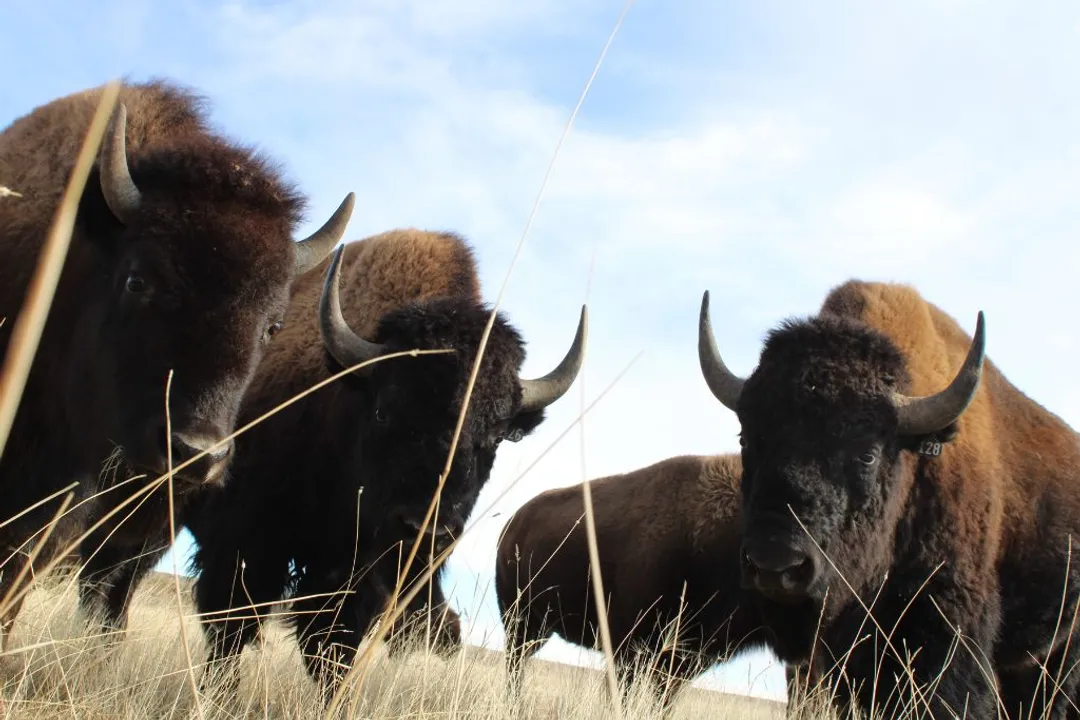
When water buffalo are managed for milk production, their dietary requirements become far more structured and intensive, necessitating a carefully balanced ration to support lactation. [2] Dairy buffalo require a consistent intake of roughage to maintain proper rumen function, often supplemented with concentrates to boost energy and protein levels necessary for high milk yields. [2][6]
A typical feeding schedule for lactating dairy water buffalo emphasizes providing forage frequently throughout the day. One suggested approach involves feeding roughage (like silage, hay, or green fodder) in multiple small meals rather than one or two large feedings. [2] This mimics natural, continuous grazing behavior and aids digestion.
An example daily schedule might look like this:
- Morning Feeding (Pre-Dawn): Offer a portion of the daily roughage allowance. [2]
- Mid-Morning: Provide the first supplement of concentrates, possibly mixed with a mineral lick. [2]
- Noon/Afternoon: Supply the main bulk of the roughage for the day. [2]
- Late Afternoon: Offer the second, smaller portion of concentrates. [2]
- Evening: Provide a final helping of roughage to sustain the animal overnight. [2]
The composition of the concentrate feed is critical. It must supply the necessary calories and protein that grazing alone cannot guarantee, especially when lactation demands are high. [6] Common concentrate ingredients in many regions include grains like maize or wheat, oilseed cakes, and byproducts like rice bran, which are balanced to meet specific nutrient profiles. [2] Furthermore, during the dry period—the time when the buffalo is not producing milk—the diet must be adjusted downward in energy density to prevent obesity while still meeting maintenance requirements, preparing the animal for the next lactation cycle. [2]

# Water Intake
While the focus often rests on solid feed, adequate water consumption is perhaps the single most vital component of the water buffalo's diet, linking directly to its name and its physiology. [1][4] These animals require significantly more water than many temperate breeds of cattle due to their preference for cooling themselves in water and the high moisture content of their preferred diet. [1][5]
A water buffalo needs access to clean, fresh drinking water at all times, with consumption varying based on environmental temperature, body size, and lactation status. [1] A lactating buffalo in a hot climate can drink well over 100 liters of water per day. [5] Insufficient water directly reduces feed intake, which in turn drastically cuts milk yield and can lead to severe dehydration and health crises. [6] If a farmer is relying on high-moisture forage like young grass or silage, the water required for drinking might be slightly lower, but the total fluid balance must remain high.
# Mineral Needs
Beyond bulk forage and concentrates, minerals and vitamins are essential for metabolic functions, bone health, reproductive success, and immune defense. [6] While grazing animals typically obtain some necessary trace minerals from the soil via their feed, modern intensive farming or grazing on depleted lands often requires supplementation. [6]
Producers must ensure the availability of a balanced mineral mixture. Key elements often supplemented include calcium and phosphorus, which are crucial for bone structure and, especially in dairy animals, for milk production. [2] Sodium, often supplied as salt, is also vital for electrolyte balance. [6] A simple, actionable tip for producers, regardless of the buffalo's production stage, is to always provide a free-choice mineral block or loose mixture designed for cattle or mixed ruminants, ensuring it contains adequate selenium and zinc, which are commonly deficient in many regional forages. [2] This proactive approach is cheaper than treating subsequent deficiencies.
It is important to contrast the needs of a growing or dry animal with a lactating one. While a non-producing animal needs maintenance levels of minerals, the sudden, high demand for calcium during the onset of lactation can place immense strain on the animal’s reserves if the diet isn't fortified, sometimes leading to issues like milk fever, although this is less common in water buffalo than in high-yield dairy cows. [2]
# Specialized Diets Forest Buffalo
While most widely known are the River and Swamp buffalo types, there are specialized subspecies, such as the Forest Buffalo, whose diet reflects their unique habitat. [9] Forest buffalo are generally found in dense forest environments and exhibit more browsing behavior than their relatives. [9] Their diet leans heavily on fruits, leaves, shoots, and browse material found within the forest understory, rather than exclusively wide-open grassland grazing. [9]
For the Forest Buffalo, an analysis of their fecal matter often reveals a higher proportion of lignified material and tougher plant parts compared to open-range grazers. [9] This suggests a more powerful digestive system, capable of breaking down cellulose in woody browse. When considering the diet of this specific subtype, the concept of roughage must be broadened from simply grass hay to include bark, twigs, and fallen fruit, which form the bulk of their natural intake. [9] This difference highlights the species' phenotypic plasticity—their diet is dictated by their immediate ecosystem, not just by species-wide mandates. [1]
# Avoiding Dietary Pitfalls
Even with access to abundant food, the way feed is presented or what is included can cause problems. [3] Water buffalo are susceptible to digestive upsets if dietary changes are made too rapidly. [3] For instance, suddenly switching from dry hay to lush, wet spring grass can cause bloat or severe diarrhea because the rumen microflora needs time to adapt to the increased protein and moisture content. [3] A general rule of thumb for any feed change, be it a new supplement or a shift in pasture, is to implement the change gradually over 7 to 10 days, blending the old feed with the new. [2]
Furthermore, the quality of supplemental feed matters. Moldy hay or spoiled silage, while perhaps appearing sufficient in volume, can contain mycotoxins that severely compromise the immune system and reproductive cycles of the buffalo. [3] Since buffalo often consume large quantities of forage, any low-level toxin present in the feed is concentrated in their system more rapidly than in smaller animals. Therefore, meticulous attention to feed storage and quality assurance is a silent but essential part of managing a healthy herd. [6] Maintaining their digestive health is key to their hardiness.
Related Questions
#Citations
Water Buffalo - Facts, Diet, Habitat & Pictures on Animalia.bio
Feeding Schedule For Dairy Water Buffalo - Google Sites
What Do Buffalo Eat? Understanding Their Diet and Habits
Water Buffalo - Zoological Society Of East Anglia
Water buffalo | Annabella
Feeding preferences and nutritional niche of wild water buffalo ...
What type of food do you need for water buffalo? - Facebook
Water Buffaloes - Farm Animals Facts & News
Forest Buffalo (Syncerus caffer nanus) Fact Sheet: Diet & Feeding