Where do yellow tanagers live?
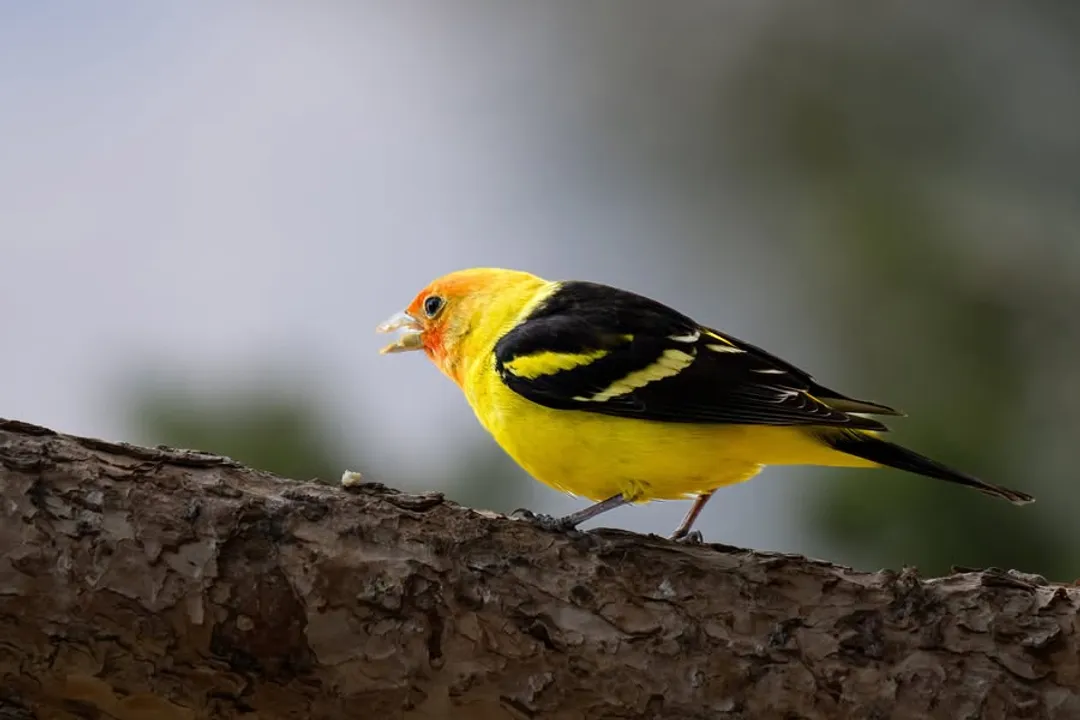
When people inquire about where the "yellow tanagers" live, the answer isn't as simple as pointing to a single region on the map. This common descriptive name can refer to a couple of distinct species, most notably the widespread Western Tanager and the more geographically restricted Yellow-winged Tanager. [1][2] Understanding their home ranges requires distinguishing between these birds, as one is a migratory resident of western North America, while the other remains fixed in the high mountains of South America. [2]
# Western Range
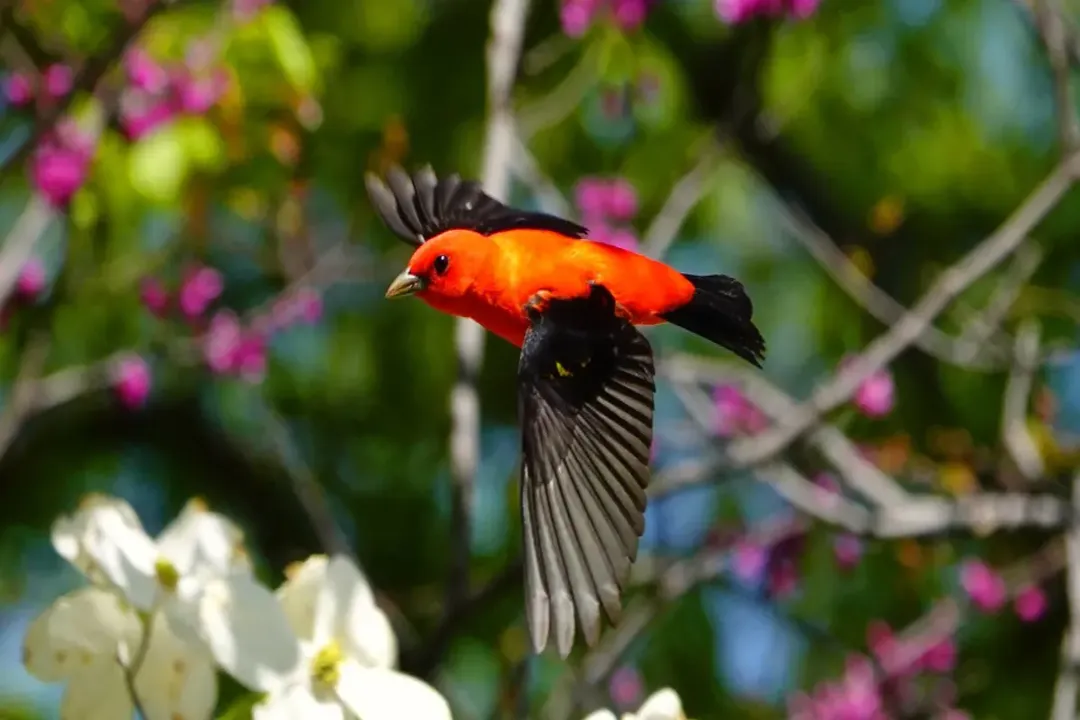
The Western Tanager is the species most frequently encountered by birdwatchers across the western half of North America. [1][7] During the breeding season, this bird establishes territories across a vast swath of western North America. [1][5] Their nesting grounds stretch from the southern reaches of British Columbia down through the mountainous spine of the continent, often dipping into states like Idaho, Montana, and down into the Sierras and the Rocky Mountains region of the southwestern US, including New Mexico and parts of California. [1][8] In the United States generally, their breeding range is situated west of the Great Plains. [8]
For those observing birds in the Pacific Northwest, the presence of the Western Tanager is clearly noted during its migratory periods. For instance, wildlife agencies in states like Oregon track their passage, confirming they utilize pathways through the region during their seasonal movements. [9]
# South American Home
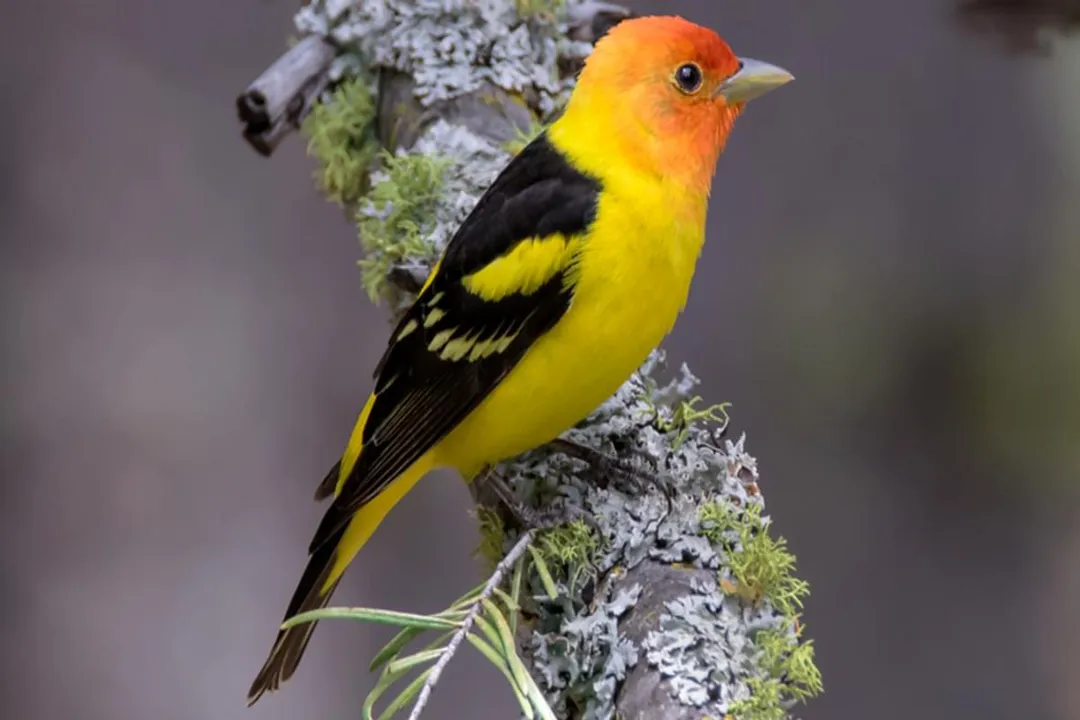
In sharp contrast to the migratory Western Tanager, the Yellow-winged Tanager is a resident of the Andes Mountains in South America. [2] Its known distribution is quite specific, focusing on the eastern slopes of the Andes in a few northern countries. [2] Specifically, this species can be found in humid montane forests spanning parts of Colombia, Ecuador, and Peru. [2] Unlike the Western Tanager, which breeds far to the north and flies south for winter, the Yellow-winged Tanager maintains a relatively stable, high-altitude existence within these tropical ranges. [2]
# Habitat Needs
The differing locations of these birds are closely tied to their distinct habitat preferences, which dictate where they spend their time year-round. [1][2]
# Western Forest Breeding
When breeding, the Western Tanager shows a strong affinity for mature, well-established woodland ecosystems. [1][8] They favor coniferous forests, often mixing with deciduous trees, and frequently select areas near water sources like streams. [1][5] If you are looking for a nesting pair, you might focus your search on older stands of pine and fir trees. [8] Their selection of habitat during the nesting months reflects the need for reliable insect sources and suitable cover for raising young. [1]
# Migratory Flexibility
What makes the Western Tanager’s journey so interesting is the dramatic shift in scenery it accepts during migration. [1] Once they depart their mountain breeding grounds, they become much less picky about their surroundings. [1][5] During the spring and fall passage, an individual Western Tanager can turn up nearly anywhere: city parks, weedy clearings, suburban gardens, or thickets near agricultural areas. [5] This flexibility in habitat use during migration is a necessary adaptation for a bird undertaking such a long commute between the temperate forests of North America and the tropical zones of Central America and northern South America for winter. [1]
This contrasts notably with the Yellow-winged Tanager, which seems bound to the humid montane forest environment. [2] While the Western Tanager’s wintering grounds extend from Mexico down to northern South America, the Yellow-winged Tanager stays confined to the specific elevation bands of the Andes slopes. [1][2]
# Wintering Grounds
The non-breeding season for the Western Tanager takes them south, moving through Mexico and Central America. [1][5] Their wintering range continues down into the northern reaches of South America. [1] This means that outside of the summer months, you would no longer find them in the high pine forests of Washington or Colorado; instead, they are dispersed across warmer, lower-elevation environments further south. [1][5]
It is worthwhile to consider that while the general range data shows the Western Tanager moving into South America for winter, the more specialized Yellow-winged Tanager occupies a very specific niche within that continent year-round. [2] This suggests that birdwatchers in northern South America must be keenly aware of the local species when a brightly colored tanager appears, distinguishing between a winter visitor from the north and a permanent resident. [1][2]
# Field Observation Context
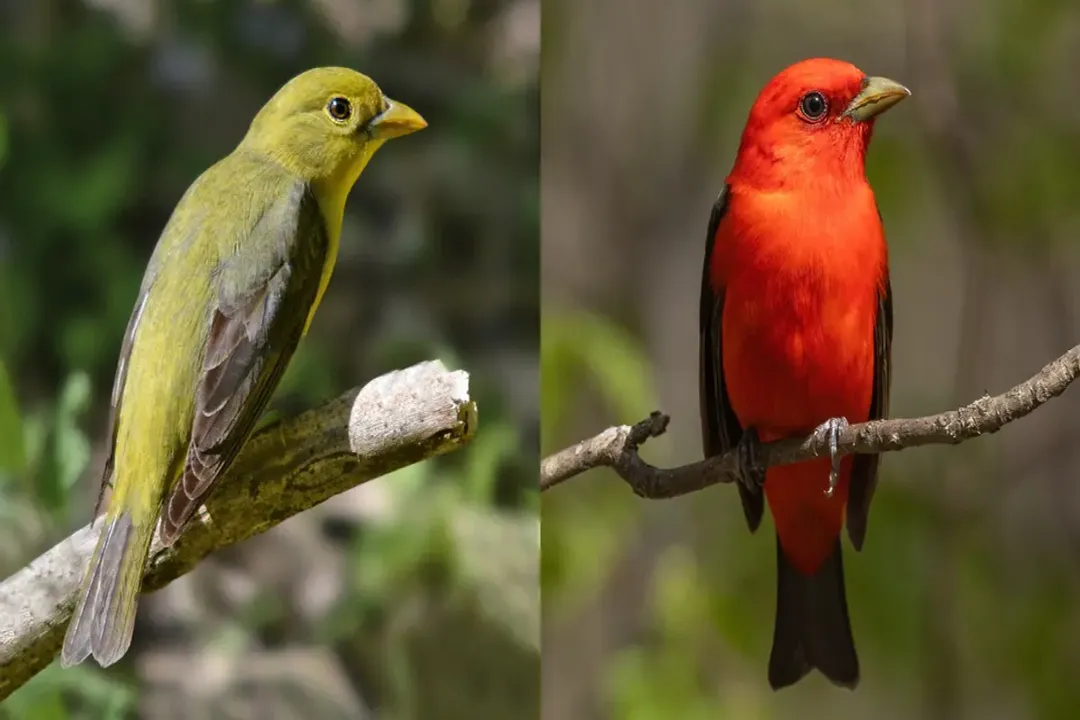
If you are primarily interested in seeing a tanager that features significant yellow plumage, the Western Tanager is the one you are most likely to spot on a bird feeder or in your backyard during the migratory seasons across the western US and Canada. [1][5] The males are famous for their brilliant yellow body, black back, and unmistakable flame-red head—though the intensity of that red can vary, sometimes appearing more orange. [1] The females and immature birds are much duller, featuring greenish-yellow tones. [1]
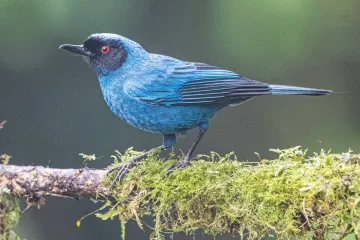
The Yellow-winged Tanager, while retaining yellow in its name and plumage, possesses distinct markings like its namesake yellow wing patch, set against a dark body. [2] Its limited range makes it a prime target for dedicated South American birding trips rather than accidental sightings in North America. [2]
When trying to spot either bird, recognizing the habitat context is key. If you are in a North American coniferous forest in July, you are looking for a Western Tanager preparing to nest. [1] If you are hiking a cloud forest trail in Ecuador in January, you might encounter either a wintering Western Tanager or a local Yellow-winged Tanager, but the latter will typically stay higher up and show a different color pattern overall. [2] The fact that the Western Tanager is highly common across the western US, with multiple resources tracking its presence, suggests it is a key species for regional birding guides, whereas the Yellow-winged Tanager is a specialty species for international guides. [1][9] For North American observers interested in maximizing their chances of seeing a "yellow tanager," focusing efforts along established migratory corridors during April/May or August/September is the most effective strategy, as the birds are less tied to specific breeding territories then. [5][9] This temporary willingness to inhabit suburban landscaping is a behavioral window that rarely opens for the strictly montane Yellow-winged Tanager. [2][5]
Related Questions
#Citations
Western Tanager Overview, All About Birds, Cornell Lab of Ornithology
Yellow-winged tanager - Wikipedia
Western tanager bird description and habitat - Facebook
Yellow Tanager: Birding ID Challenge - Birds and Blooms
Western Tanager | Audubon Field Guide
Yellow-Winged Tanager
Tanagers in North America: A Complete Guide | Nest Box Live
Tanagers - Desert Museum
Tanagers - Oregon Department of Fish & Wildlife