Yellow Tang Evolution
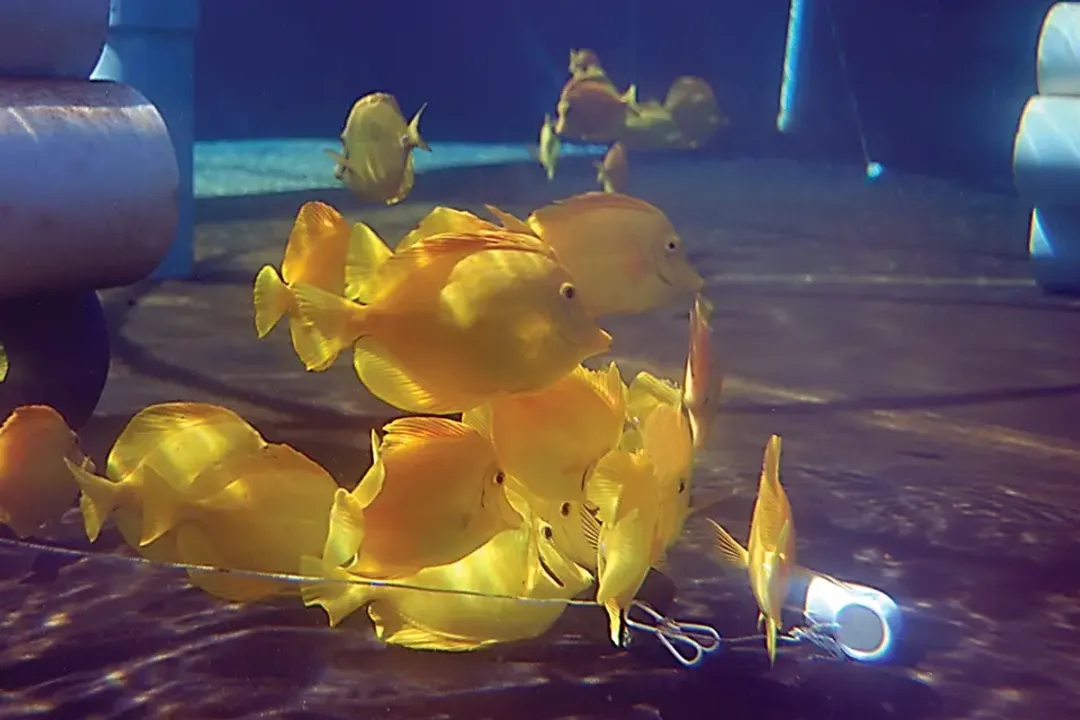
The brilliant, lemon-yellow coloration of the Yellow Tang, Zebrasoma flavescens, makes it instantly recognizable across the globe, whether one encounters it swimming among the corals of the Indo-Pacific or starring in a home aquarium. [1][4] While its aesthetic appeal is undeniable, understanding this species requires looking past the vibrant pigment to its deep biological roots and the pressures that have shaped its survival. This fish belongs to the family Acanthuridae, commonly known as the surgeonfishes, a name derived from the sharp, scalpel-like spines located on either side of the caudal peduncle—the narrow part of the body connecting the tail. [1][4][8] These structures are formidable defensive tools, marking a significant evolutionary adaptation shared across the family. [1]
# Family Placement
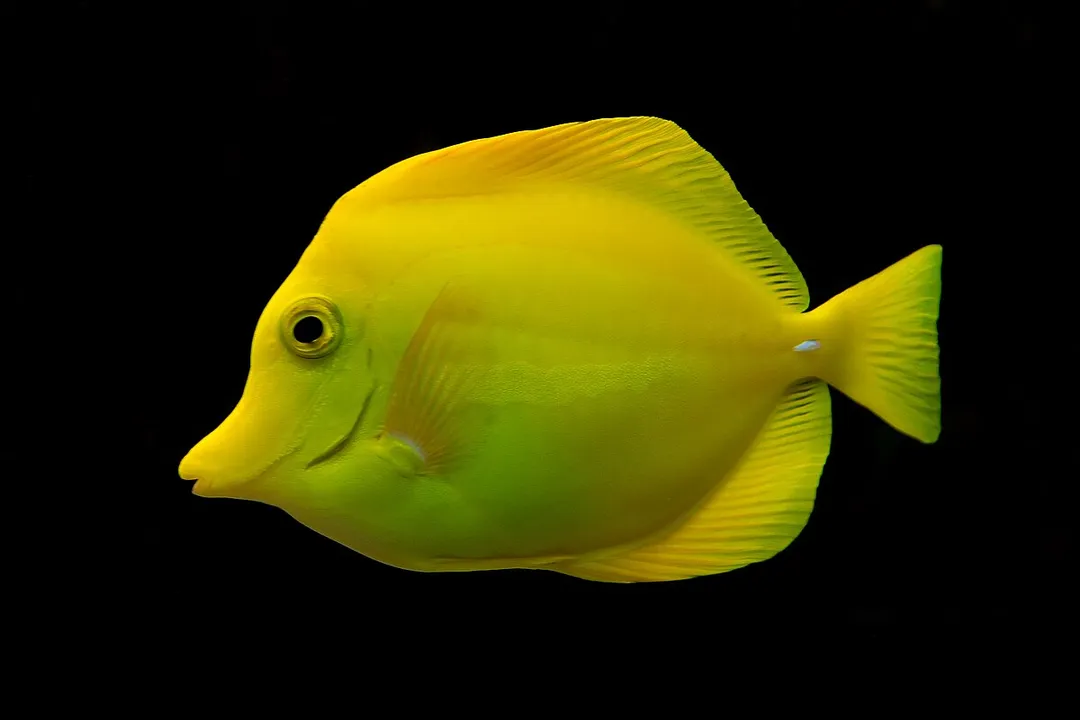
The Yellow Tang is classified within the genus Zebrasoma, which also includes other closely related, disc-shaped surgeonfishes like the Sailfin Tang. [1][4] Within the broader taxonomy, Acanthuridae is further divided into subfamilies, with the Zebrasoma genus typically falling alongside the Ctenochaetus and Naso genera, distinct from the Acanthurus genus, which contains the common palette surgeonfish. [1] Morphologically, the Zebrasoma group is characterized by its compressed, disc-like body shape and its protrusible snout, features that distinguish it from the more oval-shaped members of the Acanthurus genus. [1] This physical divergence suggests significant evolutionary branching within the surgeonfish lineage, driven by differing ecological niches and feeding mechanics. [4] The distinctive shape and the location of their caudal spines are key physical characteristics used by ichthyologists to map out these relationships. [1]
# Native Range
The natural range of Z. flavescens spans the tropical waters of the Indo-Pacific region. [4] Specifically, they are found throughout the Hawaiian Islands, the Ryukyu Islands, Wake Island, and the Marquesas Islands. [1] They are strongly associated with coral reefs, favoring shallow reef slopes and lagoon areas where their primary food source thrives. [1][4] The sheer geographic separation between these island populations, separated by vast stretches of open ocean, implies a history shaped by oceanic currents and historical landmass configurations—classic drivers of speciation over geological time scales. [9] While the species is generally widespread across this region, localized populations can exhibit minor genetic differences, a subtle testament to ongoing microevolutionary processes dictated by specific reef conditions and available forage. [5]
# Herbivore Niche
A defining aspect of the Yellow Tang’s biology, and a major factor in its evolutionary success on the reef, is its highly specialized diet. Yellow Tangs are primarily herbivorous, scraping microscopic algae, especially filamentous algae, off rocks and corals using their small, terminal mouths and specialized teeth. [1][3][4] This dietary specialization positions them as essential grazers in the reef ecosystem, helping to control algal overgrowth that could otherwise smother slower-growing corals. [3] They are known to consume a variety of algae species, an important trait that allows them to persist even when one specific food source becomes temporarily scarce. [4]
Thinking about this specialization, the need to efficiently process large volumes of relatively low-nutrient algal matter likely placed intense selective pressure on the development of their gut structure and feeding apparatus. Contrast this with the omnivorous or planktivorous feeding strategies of many other reef fish. For the Yellow Tang, evolutionary success hinged on becoming a dedicated, highly efficient "reef lawnmower". [3] This strict adherence to an algal diet is precisely what made their transition into captive environments so difficult for decades; they required the continuous supply of natural marine algae that most early aquariums could not provide, leading to high mortality rates when initially collected from the wild. [2][6]
# Domestication Selection
For many years, virtually every Yellow Tang entering the ornamental fish trade was captured directly from its native reef habitat, a practice that puts immense strain on local wild populations. [6] The challenges of maintaining a wild-caught specimen's health—specifically its diet and stress levels—sparked intense research into aquaculture. The ability to successfully breed and raise Yellow Tangs in captivity represents a fascinating, albeit rapid, form of human-influenced evolution.
Successful captive breeding programs, such as those advanced by organizations like the Sustainable Aquaculture Program, mark a significant shift. [2] When fish are bred in controlled systems, natural selection is immediately replaced by artificial selection. Breeders naturally favor traits that thrive in the hatchery environment: faster growth rates, tolerance for higher stocking densities, and, critically, acceptance of prepared pellet or flake foods over natural algae growth. [2] Over several generations, this process creates a line of fish that is genetically distinct from its wild cousins, though the time frame is too short to qualify as true macroevolution.
Here is a point for comparison: Wild Yellow Tangs are shaped by predation risk, requiring keen eyesight and the use of their caudal spines as defense, and by food availability, necessitating migratory or foraging behaviors. [1][4] In contrast, the captive-bred fish is selected for docility and efficient conversion of artificial feed into biomass, traits that would likely be disadvantageous on a busy reef. The modern captive-bred tang is, in essence, an evolutionary experiment in progress, demonstrating how quickly a species' fitness profile can be altered when the selective pressures shift from a natural reef environment to a closed-loop aquaculture system. [2] This transition is a modern chapter in the species' history, showing adaptation occurring over decades rather than millennia.
# The Future Trajectory
The continued success of aquaculture for Z. flavescens is crucial for conservation, as reduced demand for wild-caught specimens eases pressure on vulnerable reef systems. [2][6] The genetic diversity within the captive population, while currently less broad than the naturally dispersed wild stock, will likely be managed to ensure resilience against new diseases or environmental shifts within the tanks. While the deep evolutionary history of the Yellow Tang—its split from other Zebrasoma species millions of years ago—is written in the fossil record and the deeper analysis of its genome, its immediate future is being shaped in the hatchery. By understanding the ecological role it evolved to fill as a dedicated herbivore, researchers can better manage both its captive breeding and the protection of the wild reefs it once exclusively inhabited. [3][7]
Related Questions
#Citations
Yellow tang - Wikipedia
Oceanic Institute advances yellow tang culture
[PDF] Size at maturity for yellow tang ( - the NOAA Institutional Repository
Zebrasoma flavescens (Lemon sailfin) - Animal Diversity Web
Genomic islands of divergence in the Yellow Tang and the Brushtail ...
Yellow Tang | Godzilla and friends Wiki | Fandom
Yellow Tang | Online Learning Center - Aquarium of the Pacific
The Yellow Tang | Critter Science
Yellow Tang: WhoZoo
Raising yellow tang - PNAS