Why is the viviparous strategy advantageous for Cerastes vipera in arid zones?
It avoids high desiccation risk for eggs laid in the sand
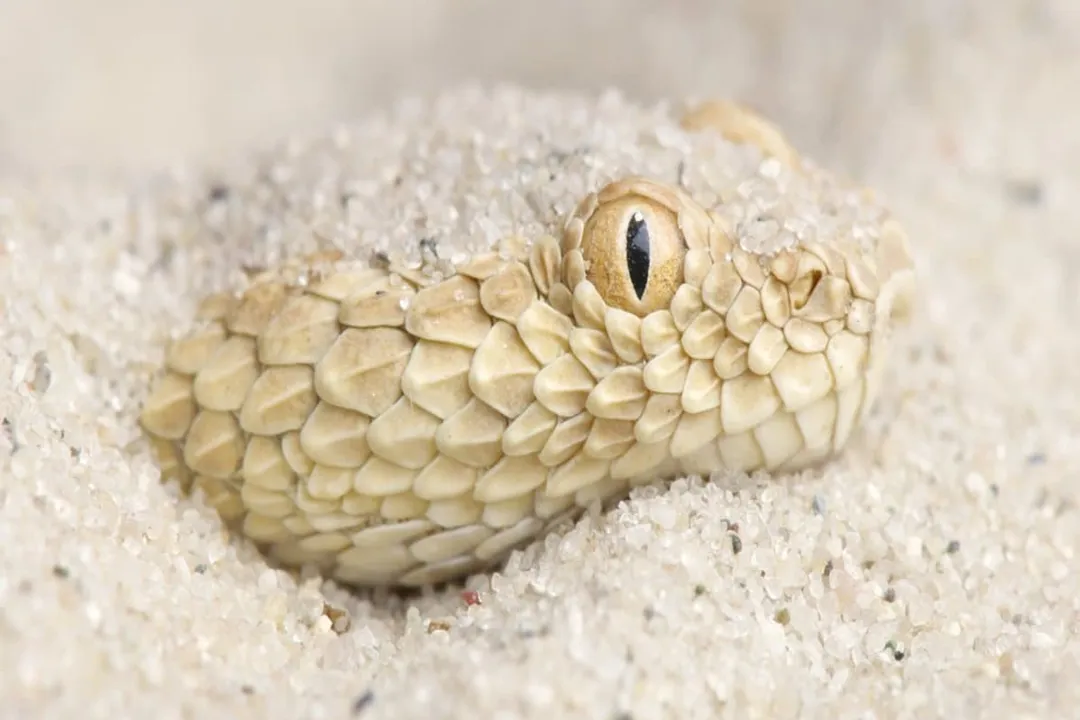
The choice of viviparity—giving birth to live young—is a highly advantageous evolutionary trait for the *Cerastes vipera* inhabiting harsh desert environments. If the female were to follow the oviparous strategy (egg-laying), the eggs would be deposited directly into the dry, shifting sand. The desert sand subjects these eggs to severe risks, primarily extreme temperature swings that can fatally disrupt embryonic development, and high desiccation rates due to the lack of ambient moisture. By developing the young internally, the mother shields them from these lethal environmental factors until they are born fully formed and capable of navigating the treacherous conditions independently.
#Videos
Sahara Sand Viper info - YouTube