What primary action defines the venom characteristic of the sand viper?
Answer
Cytotoxic
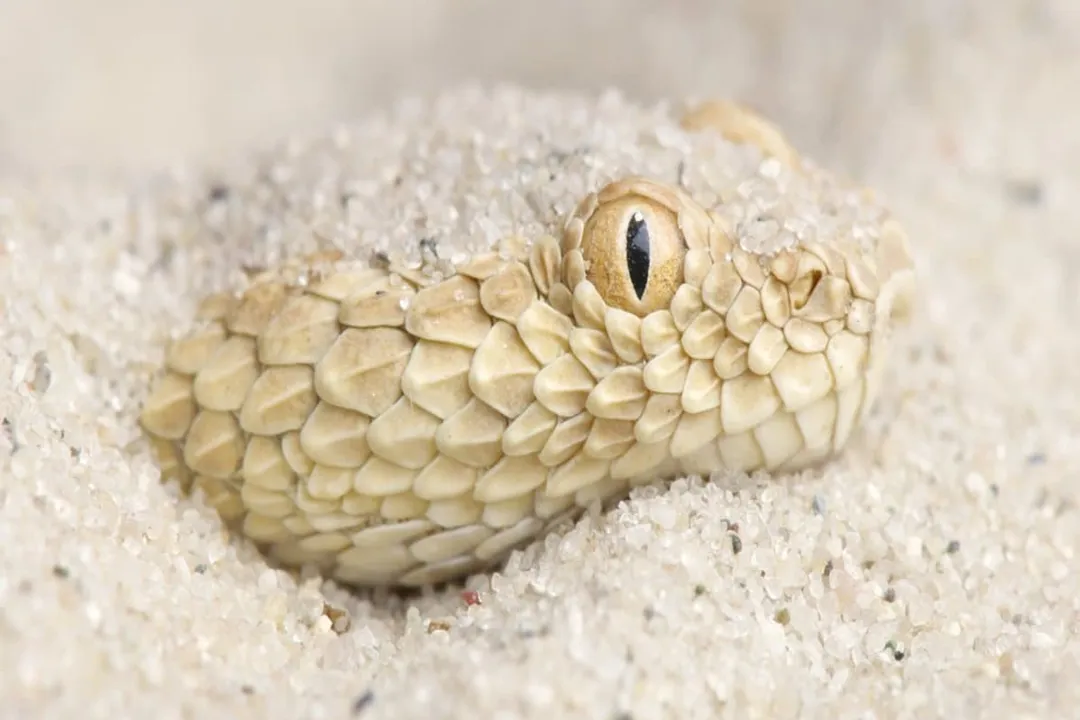
The venom produced by the sand viper is primarily characterized as cytotoxic. This classification means that the venom targets and attacks body tissues upon injection. The consequences of a bite are localized but severe, typically involving intense pain, significant swelling at the wound site, and the potential development of tissue death, or necrosis. Understanding the cytotoxic nature of the venom is crucial because it dictates the immediate required medical response, focusing on managing tissue damage, swelling, and pain, as opposed to venoms that primarily attack the nervous system or the circulatory system.
#Videos
Sahara Sand Viper info - YouTube
Related Questions
What is the reproductive method of the Sahara sand viper, Cerastes vipera?What primary action defines the venom characteristic of the sand viper?What is a major purpose of the sand viper's specialized sidewinding locomotion?How does Cerastes vipera generally differ in appearance from Cerastes cerastes?What specific texture do the scales of the adult sand viper possess?What time of day are sand vipers predominantly active hunters?What unique shape of track marks is often left by the sidewinding Cerastes vipera?Why is the viviparous strategy advantageous for Cerastes vipera in arid zones?Which coloration trait helps the sand viper blend into the desert floor?What is the reality concerning aggression and the sidewinding motion in sand vipers?In which geographical areas do Cerastes vipera thrive in arid environments?