What are some interesting facts about ground squirrels?
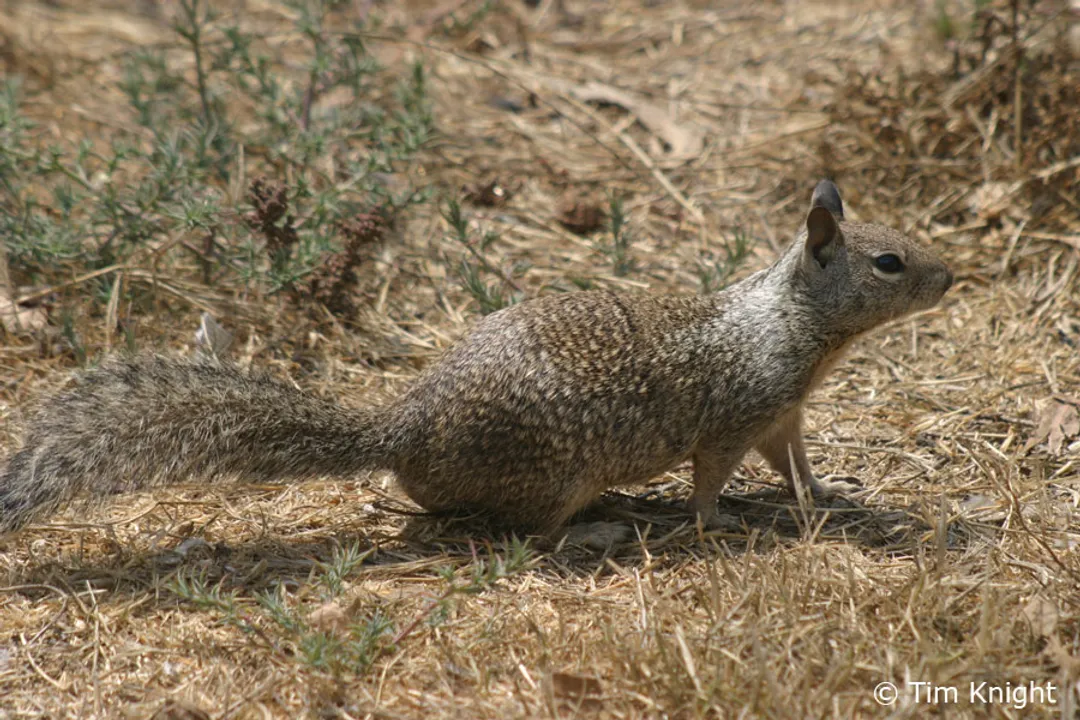
The ground squirrel, often seen as little more than a fast-moving blur across a sunny meadow or roadside embankment, is far more complex and fascinating than its common, sometimes pestiferous, reputation suggests. These small, highly active rodents belong to the family Sciuridae, which also encompasses tree squirrels and marmots, yet they possess a unique set of adaptations tailored to their terrestrial life. [1][5] Their sheer diversity is impressive; depending on the region, you might encounter the ubiquitous California ground squirrel, known for its complex social dynamics, or perhaps one of the many other species scattered across the North American landscape and beyond. [5][8] What unites them is their commitment to life below ground, a habit that dictates everything from their diet to their specialized communications systems. [1]
# Diversity Shown
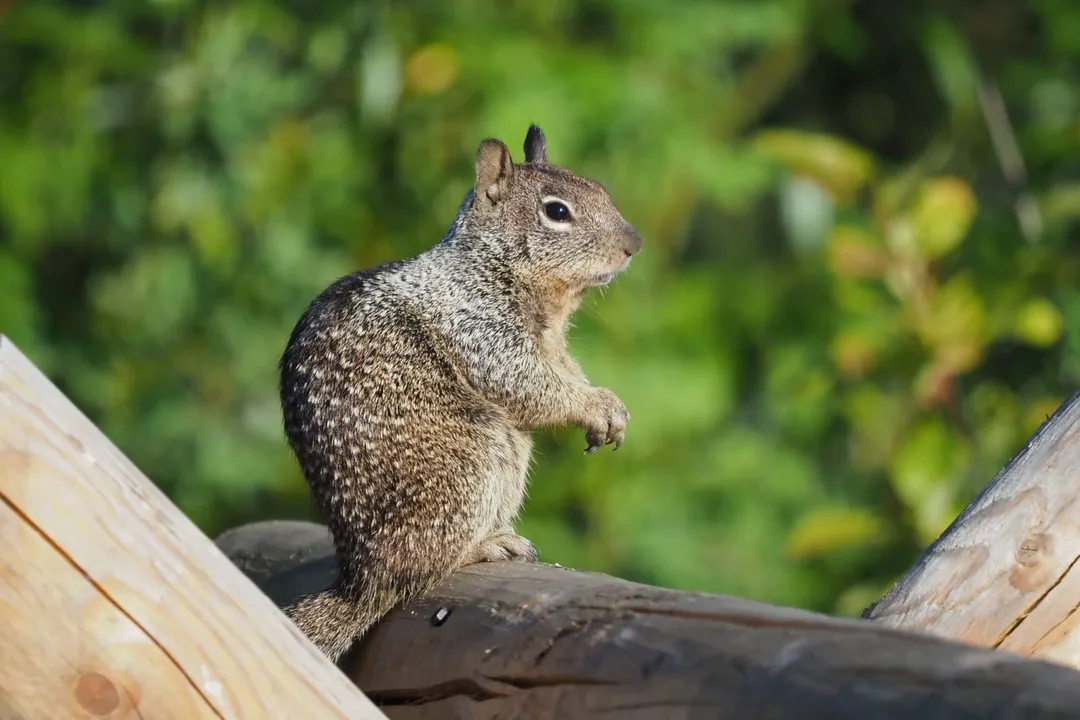
Ground squirrels represent a significant portion of the rodent world, spanning numerous species across different genera, all sharing that characteristic preference for dwelling in burrows or near the surface rather than high in the trees. [5] While one might lump them all together, the differences between species can be substantial. For instance, the social organization of certain species contrasts sharply with the more solitary habits of others. [1] The size variation alone is noteworthy; some species are quite small, perhaps only a few inches long, while larger relatives, like the mentioned California Ground Squirrel, can reach lengths of over a foot, including their tail. [8] Generally, they are characterized by their relatively short tails compared to their arboreal cousins, and they are diurnal, meaning they are active primarily during the daylight hours. [1][5] An interesting physical distinction in some species is the presence of internal cheek pouches, used for transporting significant quantities of seeds or other food back to their underground larders. [1]
# Burrow Systems
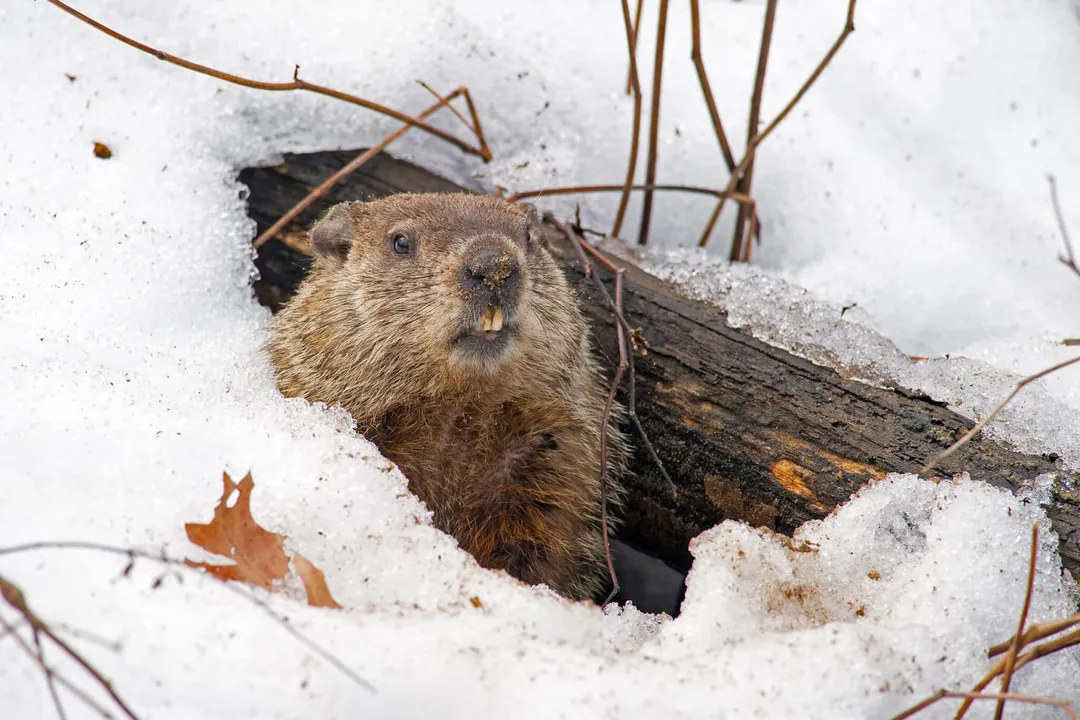
The life of a ground squirrel is inextricably linked to the earth beneath their feet. They are fossorial animals, expert diggers who construct intricate networks of tunnels and chambers that serve multiple purposes: foraging access, escape routes, nesting sites, and protection from the elements and predators. [1][6] A single burrow system can be surprisingly extensive, featuring multiple entrances and exits, which is a critical design feature for survival; if one entrance is blocked or compromised by a predator, they have immediate access to another route. [1][9] These burrows are not simply dug and abandoned; they are maintained, cleaned, and often expanded upon year after year. [4]
Consider the architectural complexity: a typical system might include a special nest chamber lined with dried grasses for insulation, particularly important as they prepare for periods of inactivity. [1] The depth and layout often vary based on local soil conditions and climate. For example, in areas experiencing deep winter freezes, the main chambers might be dug deeper to maintain a more consistent, albeit cool, temperature, insulating them from the harshest surface cold. [1] This subterranean network also plays an unrecognized role in soil aeration, turning over small amounts of earth as they dig, much like earthworms, though on a much larger scale. [4] It’s fascinating to observe how quickly a large colony can shift surface terrain simply through their constant excavation efforts.
# Diet Habits
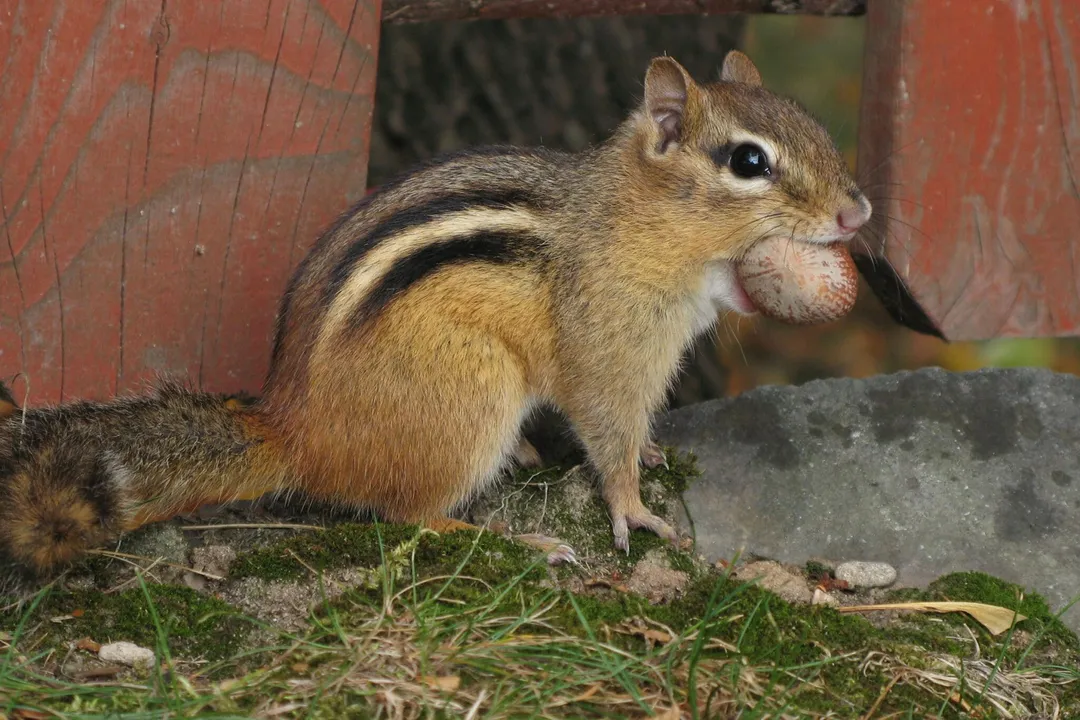
Ground squirrels are omnivorous but lean heavily toward herbivory. Their diet is heavily reliant on seeds, grains, nuts, bulbs, and fruits when available, making them significant consumers of plant matter. [1][9] However, they supplement this vegetarian base with insects, small vertebrates, and occasionally carrion when opportunities arise. [1] Their feeding strategy is centered around maximizing intake quickly, especially during seasons of plenty. This is where those internal cheek pouches become vital; they can stuff them full of seeds gathered during a brief foraging trip, rushing back to the safety of the burrow to process or store the bounty. [1]
Caching—the act of storing food for later consumption—is a core survival mechanism. They will often create separate caches within their burrow system, sometimes specializing chambers for seeds versus bulkier items. [1] This behavior highlights a crucial difference in survival strategy compared to, say, a purely nomadic forager. The ground squirrel invests heavily in its home base as a pantry. If you ever notice an unusual concentration of specific types of seeds scattered near an active burrow mound, you are witnessing the results of a slightly messy, perhaps overzealous, food storage operation. [9]
# Social Calls
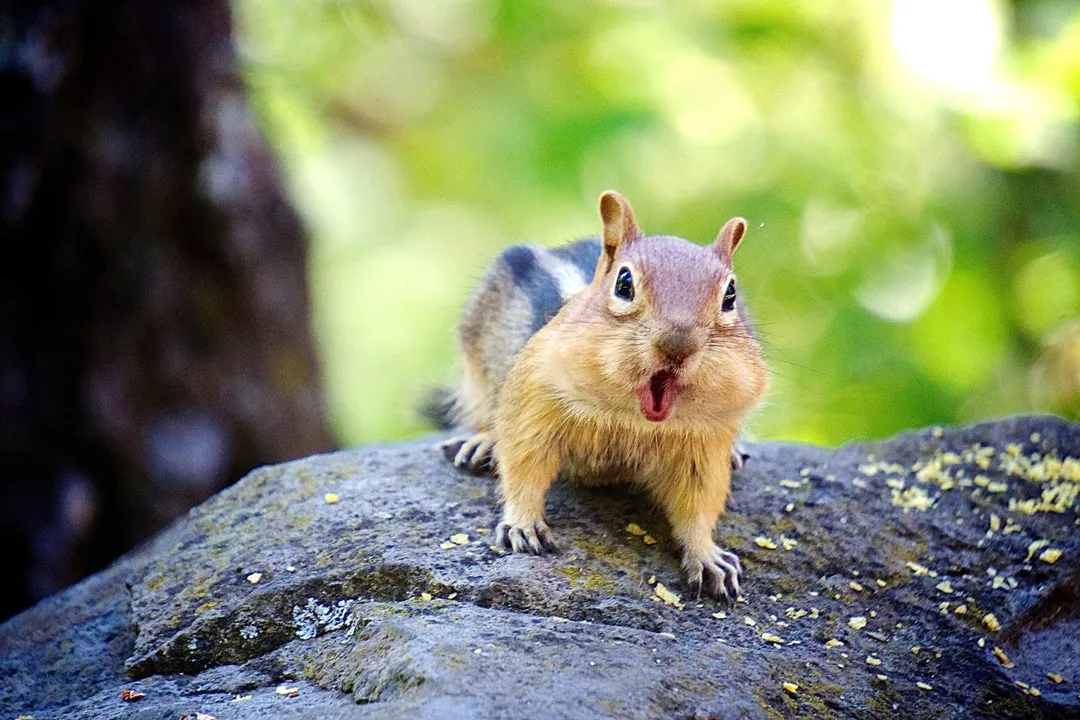
One of the most recognizable features of ground squirrel activity is their vocal communication, particularly their alarm calls. They use a variety of vocalizations to warn conspecifics (other ground squirrels) of danger, and these calls are surprisingly nuanced. [1] The specific pattern, pitch, and duration of a warning cry often convey different levels of threat or the type of predator detected. [6] A short, sharp chirp might indicate a far-off, less immediate danger, whereas a continuous, high-pitched whistle could signal an aerial predator directly overhead, prompting an immediate dive into the nearest hole. [1]
Interestingly, the complexity of these calls is sometimes species-dependent. While many species use distinct calls for aerial versus terrestrial threats, some, like certain Spermophilus species, have demonstrated the ability to incorporate information about the specific predator into their calls—a primitive form of descriptive communication. [6] If you spend time observing a colony, you can almost begin to translate these urgent sounds. Paying close attention to the direction the squirrels look immediately after issuing a call can often give away the source of the perceived threat, serving as a real-time lesson in local predator ecology [Original Insight/Tip: Observing the immediate post-call behavior of a ground squirrel colony provides an easy, non-invasive way to learn about local raptor or canine activity patterns, as the direction of their collective gaze following an alarm often pinpoints the danger source].

# Winter Sleep
While not all ground squirrels living in temperate zones truly hibernate in the deep, prolonged sense that bears do, many enter a state of dormancy or torpor to survive periods of scarcity or cold weather when food is unavailable. [1] This period of inactivity is essential for species living where winters are harsh or where summer drought eliminates vegetation. [1] During torpor, their metabolic rate slows dramatically, their heart rate drops, and their body temperature can plummet, sometimes nearing the ambient temperature of their burrow chamber. [1]
The duration of this state varies greatly by species and local climate. Some species may only enter shallow torpor for a few days at a time, easily roused, while others can remain in deep dormancy for months on end. [1] A crucial distinction exists here: while some western species, like the Golden-mantled Ground Squirrel, spend a significant portion of the year underground in true hibernation, other, more southerly species, like the California Ground Squirrel, may only enter short bouts of torpor or remain active year-round if food permits. [1][5] This difference often correlates with water availability; species in arid environments might retreat during the driest summer months (a form of aestivation) as well as the cold season, whereas those in milder climates have less need for prolonged deep sleep. It makes sense that a species reliant on summer vegetation (like in a desert margin) has different dormancy timing than one that relies on underground caches through a frozen winter [Original Insight: The variation in hibernation length across ground squirrel species suggests an evolutionary trade-off where prolonged deep torpor saves more energy but requires greater fat reserves and risks long-term loss of social cohesion compared to species that remain partially active].
# Unique Features
Beyond their burrowing and eating habits, ground squirrels exhibit several distinct physical and behavioral traits. Their eyes are positioned laterally on the head, granting them an extremely wide field of view—nearly 360 degrees without moving their heads—which is indispensable for detecting predators approaching from any angle. [6] Furthermore, they are known for sunbathing, often seen perched atop rocks, logs, or mounds of dirt, which helps them regulate their body temperature after emerging from a cool burrow or before beginning their day’s foraging. [1][5]
They also possess an impressive ability to manage heat. In hot, exposed environments, they might engage in behaviors like "thermal banking," finding cooler spots within their burrow systems when the surface temperature becomes dangerously high. [1] Their coat color often serves as excellent camouflage against the soil and dry grasses of their typical habitats, ranging from grayish-brown to reddish-tan depending on the local substrate. [8]
# Ecological Role
Ground squirrels are far more than just small mammals; they are active participants in their ecosystems, acting as both a vital food source and an environmental engineer. As a prey item, they form the base of the food chain for a wide array of carnivores, including coyotes, badgers, hawks, and snakes. [1][3][7] Their high population density in many areas ensures a steady supply of protein for these hunters. [3]
Their impact on the soil structure, as mentioned with burrowing, is significant. By creating tunnels, they improve soil drainage and aeration. [4] However, this very success can lead to conflict with human interests. In agricultural settings or suburban landscapes, their extensive burrowing can destabilize foundations, damage irrigation systems, or deplete desirable grass cover, leading to their classification as pests in certain contexts. [4][7] Managing these populations often requires understanding their behavior—such as their tendency to use established surface routes and the efficiency of their warning systems—to implement effective, humane control measures when necessary. [3][7] Balancing their ecological value against localized nuisance is an ongoing aspect of wildlife management concerning these plentiful rodents. [4]
#Videos
Ground Squirrel Facts
Related Questions
#Citations
Interesting facts about ground squirrels
Ground Squirrel - Facts and Beyond
9 Fun Facts About California Ground Squirrels
Ground Squirrels
Ground squirrel
Ground Squirrel Facts
Ground Squirrel / Home and Landscape ...
Ground Squirrels
California Ground Squirrel Facts for Kids