What are three interesting facts about robins?
The American Robin (Turdus migratorius) may be one of the continent’s most recognizable feathered residents, frequently spotted pulling earthworms from a freshly watered lawn, yet its life holds several layers of complexity that defy common assumptions. We often take these familiar birds for granted, assuming we know their habits simply because they share our suburban spaces. However, a closer look reveals distinctions across continents, surprising dietary choices, and surprisingly precarious life trajectories. To truly appreciate this common thrush—or its European namesake—we must move past the surface image and delve into what makes them truly interesting.
# Thrushes Flycatchers
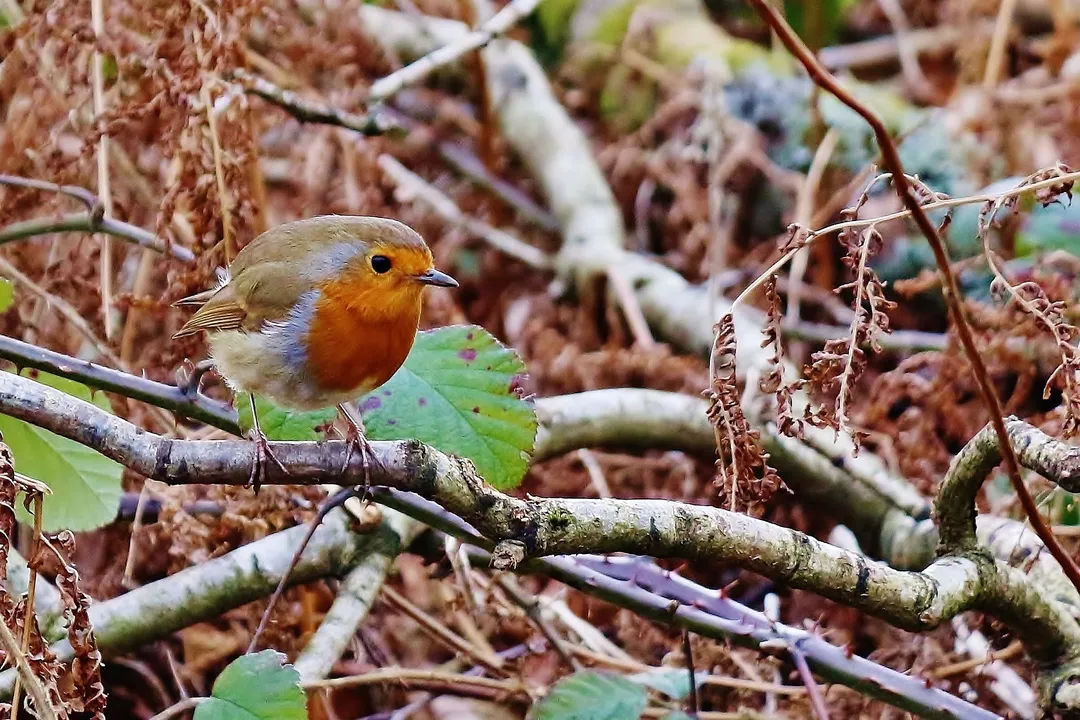
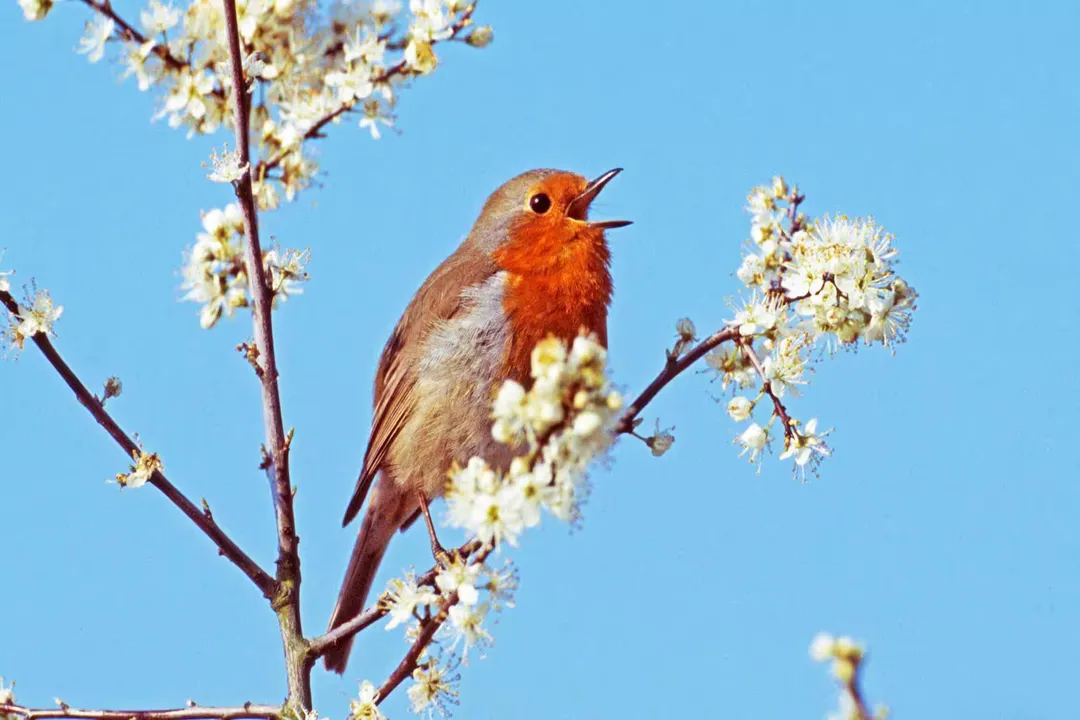
One of the most confusing aspects for bird enthusiasts is what exactly is a robin. If you travel across the Atlantic, the bird you see is decidedly not the same species as the one frequenting North American lawns, though the naming confusion persists. Early colonial settlers in North America saw the smaller, familiar-looking European Robin, which also sports an orange breast and an upright stance, and bestowed the name upon the native bird due to this resemblance.
The American bird, Turdus migratorius, is a member of the Turdidae family, placing it among the thrushes, sharing lineage with bluebirds and solitaires. This contrasts sharply with the European Robin, which, despite the shared common name and reddish-orange front, has been reclassified based on genetic studies. The European bird now falls into the family of chats and Old World Flycatchers. This divergence in classification highlights a common issue in ornithology where visual similarity trumps genetic relatedness when common names are first assigned.
Interestingly, the defining color itself is often misnamed. The vibrant chest marking on both birds is technically orange, not red. The term "red" stuck in the English language, perhaps because the fruit, red (or orange), arrived later, around the sixteenth century, solidifying the name "robin redbreast" before the distinction was clear. Furthermore, this signature breast color is absent in the young. Juvenile robins of both types are brown and lightly speckled, developing their mature plumage only after their first molt. American Robin fledglings specifically delay developing their colored feathers for several weeks post-fledging, a strategy that likely minimizes the risk of being attacked by their own territorial parents once they leave the nest.
# Diet Deceptions
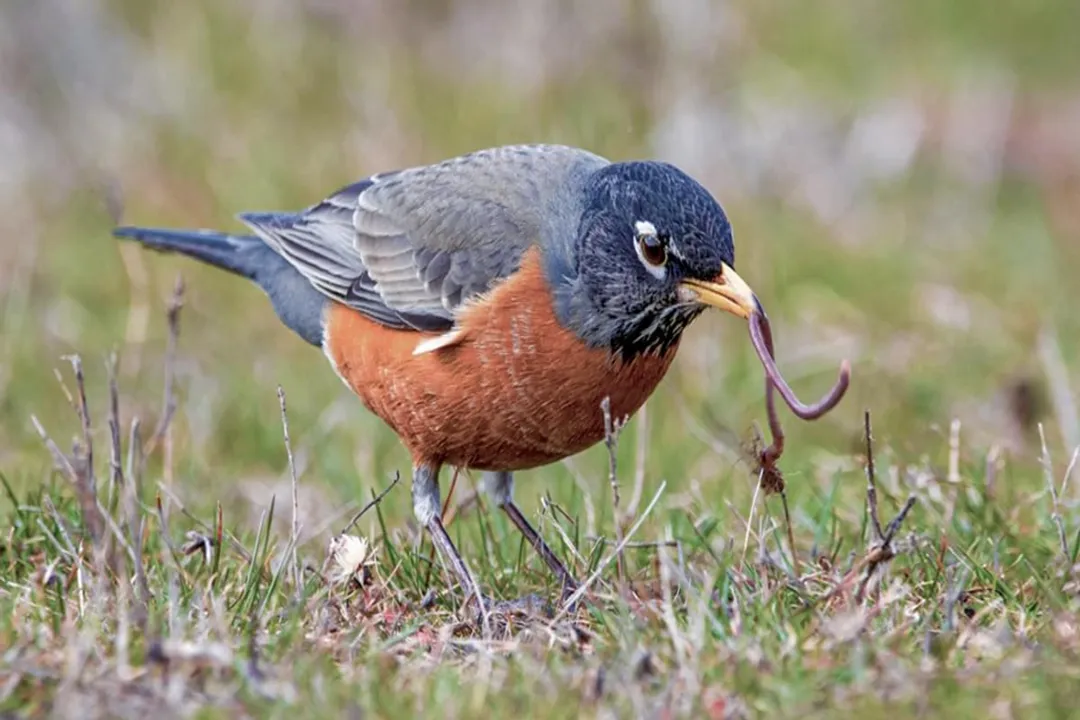
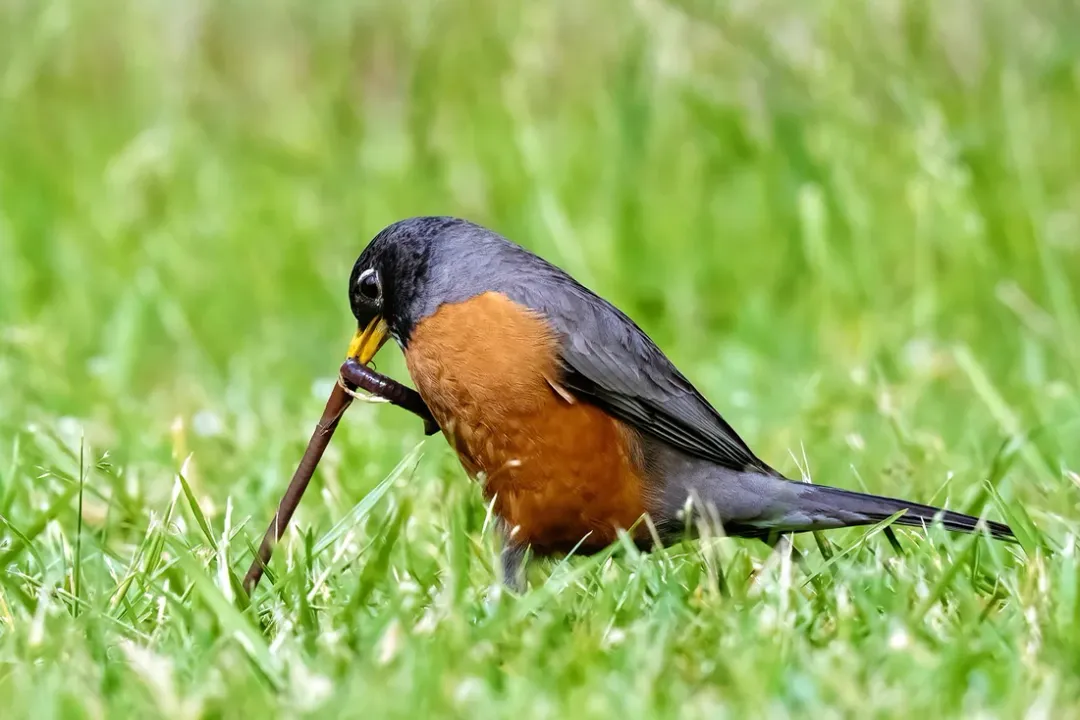
The scene of an American Robin diligently running across the grass, stopping suddenly, and then tugging a worm from the soil is so ingrained in our perception that it leads many to assume earthworms form the bulk of their diet. While iconic, this view is incomplete. Robins, particularly the American species, are opportunistic omnivores whose menu shifts dramatically with the seasons.
Research indicates that earthworms comprise only about fifteen to twenty percent of the American Robin’s summer diet. When comparing eating habits throughout the day, a distinct pattern emerges: they consume more earthworms in the morning hours, fitting the old adage, “the early bird gets the worm!” Later in the day, their focus shifts heavily toward fruits and berries. This reliance on fruit is even more pronounced in the cooler months when digging for worms becomes difficult.
This fruit consumption can lead to a rather unusual side effect. When American Robins dine heavily on certain berries, such as honeysuckle, they have been known to become intoxicated. Imagine witnessing a bird behaving erratically after a morning feast—it offers a surprising glimpse into the less-than-serious side of nature.
The European Robin has developed a unique dietary tactic for parasite control. They have been observed deliberately seizing ants and millipedes, then rubbing the compounds secreted by these invertebrates directly onto their feathers. This process, known as anointing, allows the bird to utilize the prey's defensive chemicals to ward off mites and ticks, an insight into self-medication that goes far beyond simple foraging. For those wishing to support local robins, particularly in urban or suburban settings where food sources can be unpredictable, understanding this dietary breadth is key. Instead of only focusing on ground-feeding supplements, ensuring access to safe, native fruiting shrubs during the fall and winter could prove more beneficial for resident populations than simply putting out more mealworms, especially for species like the UK robin that rarely leave their patch.

# Volatility and Vastness
When we observe robins, we are generally looking at birds with surprisingly short lives and radically different approaches to staying put during the cold season. This contrast is perhaps the most compelling area to compare the two main types of "robin."
For the UK Robin, the concept of migration is largely irrelevant; they are primarily year-round residents, fiercely defending a single territory against rivals every day of the year. Their loyalty to a food source is so strong that the individual visiting your garden today is likely the same one you saw last week.
The American Robin, however, exhibits a more complex relationship with its range. While many are seen as harbingers of spring, populations breeding in northern latitudes, like Canada and Alaska, do migrate south to the southwestern U.S. and Mexico for winter. Yet, in many parts of the U.S., they are simply local residents. The difference in where they spend winter affects behavior: those that remain north often move into wooded areas, forming massive, noisy roosts that can sometimes contain up to a quarter of a million birds. In the summer, females sleep on their nests, but the males join these large roosts once nesting duties are complete.
This regional difference in residency is tied to a sobering reality regarding survival. Despite their ubiquitous presence, the American Robin’s lifespan is brief, averaging only about two years in the wild. The entire population essentially turns over every six years on average. This high mortality rate—only about 40 percent of nests are successful, and only 25 percent of fledged young survive until November—places immense reproductive pressure on the survivors. The males arrive early and sing fiercely to secure a territory, and pairs frequently find new mates each spring because they do not maintain bonds over the winter. This constant need to re-establish a foothold each year makes the success of the current breeding season critically important for the species’ continuity. It suggests that the sheer energy invested in early territorial defense and courtship displays is biologically mandatory for replacing the large percentage of the population lost annually to mortality factors, including the roughly half that perish between the fall and the subsequent year.
From their complex classifications to their dramatic survival statistics, the birds we call "robins" demonstrate that familiarity often obscures fascinating biological realities. Whether you are observing a thrush on your lawn or an Old World Flycatcher in a European hedgerow, there is always more to these common sights than meets the eye.
#Videos
Most People Dont Know These 8 Facts About ROBINS - YouTube
Related Questions
#Citations
10 Fun Facts About the American Robin - National Audubon Society
Most People Dont Know These 8 Facts About ROBINS - YouTube
10 facts about robins you didn't know - SongBird Survival
American Robins: Misbeliefs and Facts - Buffalo Bill Center of the West
Living with Birds 21 Facts on Robin Tweetapedia
American Robin Overview, All About Birds, Cornell Lab of Ornithology
10 Fun Facts About Robins | Ivel Valley Wild Bird Food