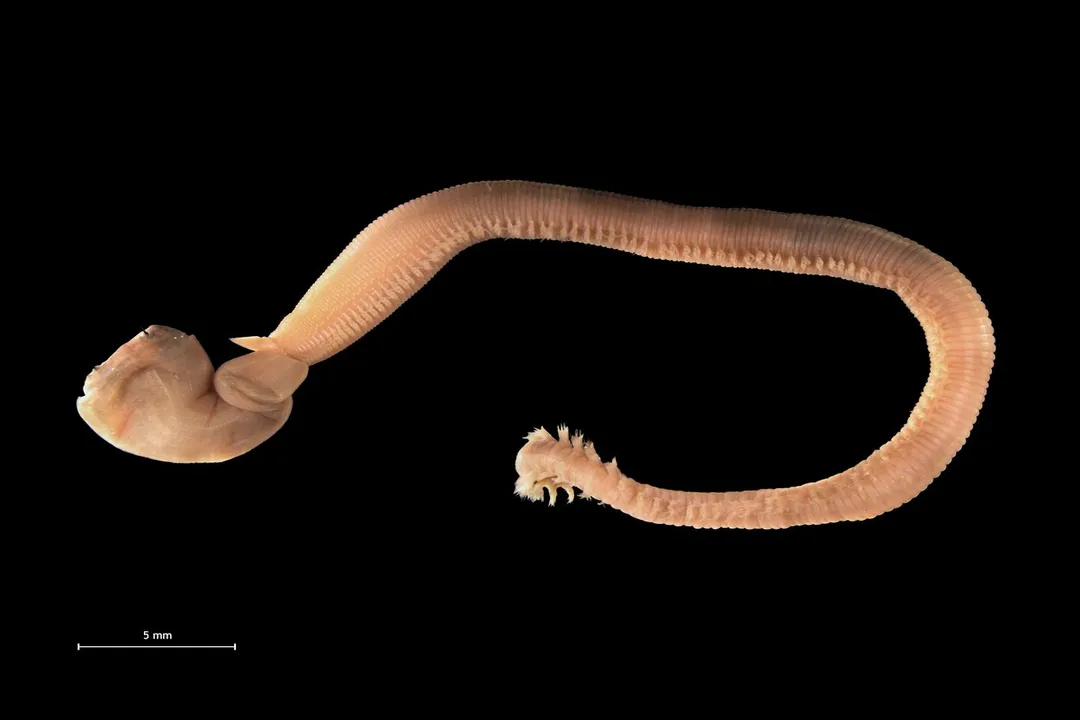
Why is the common term "worm" not a precise scientific grouping?
It applies to creatures belonging to several distinct phyla, including Nematoda and Platyhelminthes.
The designation "worm" is fundamentally descriptive, referring broadly to any elongated, soft-bodied invertebrate shape, rather than representing a single, unified scientific grouping based on shared ancestry. This common name is loosely applied across multiple, evolutionarily distant phyla within the animal kingdom. Specifically, the text notes that creatures classified under Nematoda (roundworms), Platyhelminthes (flatworms), and Annelida (segmented worms) are all frequently referred to as worms. Because these groups diverged significantly in evolutionary history, relying on appearance alone prevents accurate differentiation, highlighting the necessity of precise Linnaean classification systems like phyla to delineate true biological relationships.