What feature distinguishes earthworms in the class Oligochaeta from marine relatives in Polychaeta?
Answer
Possessing a small number of bristles called setae.
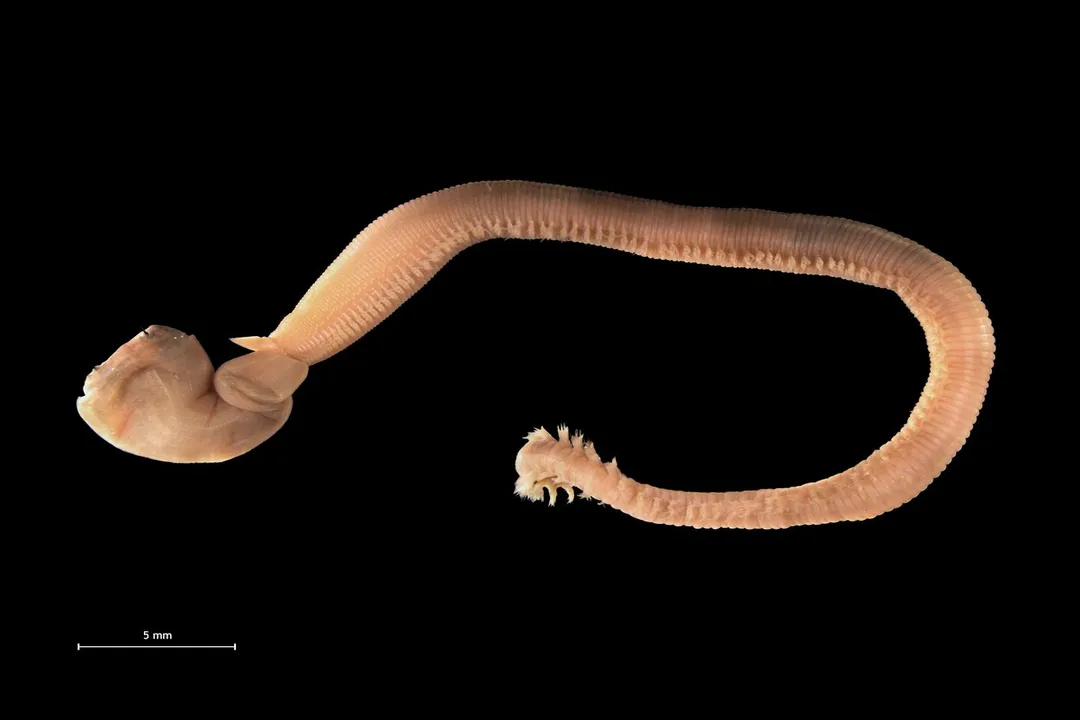
The primary difference used to classify earthworms within the class Oligochaeta, as opposed to their marine counterparts in the class Polychaeta, relates directly to their bristles, known as setae. Oligochaeta translates roughly to "few bristles," indicating that these terrestrial worms possess only a small quantity of these bristle-like structures, which they utilize primarily for gripping or anchoring themselves within the soil matrix. Conversely, the marine Polychaeta class is characterized by possessing many bristles. This difference in seta count and arrangement reflects evolutionary divergences adapted to their respective terrestrial versus marine environments.
Related Questions
Why is the common term "worm" not a precise scientific grouping?What defining characteristic separates Annelida from Nematoda and Platyhelminthes?What is the function of the clitellum in sexually mature earthworms?What feature distinguishes earthworms in the class Oligochaeta from marine relatives in Polychaeta?What anatomical characteristic necessitates earthworms needing moist skin conditions?Which family classification identifies the true earthworms, distinct from leeches (Hirudinea)?Which ecological type describes earthworms that function as deep-burrowing cast producers?What is the primary characteristic describing the phylum Nematoda?What risk does an invasive species like the Asian jumping worm (*Amynthas*) pose to soil structure?What function does the true coelom, or fluid-filled body cavity, serve in Annelids?