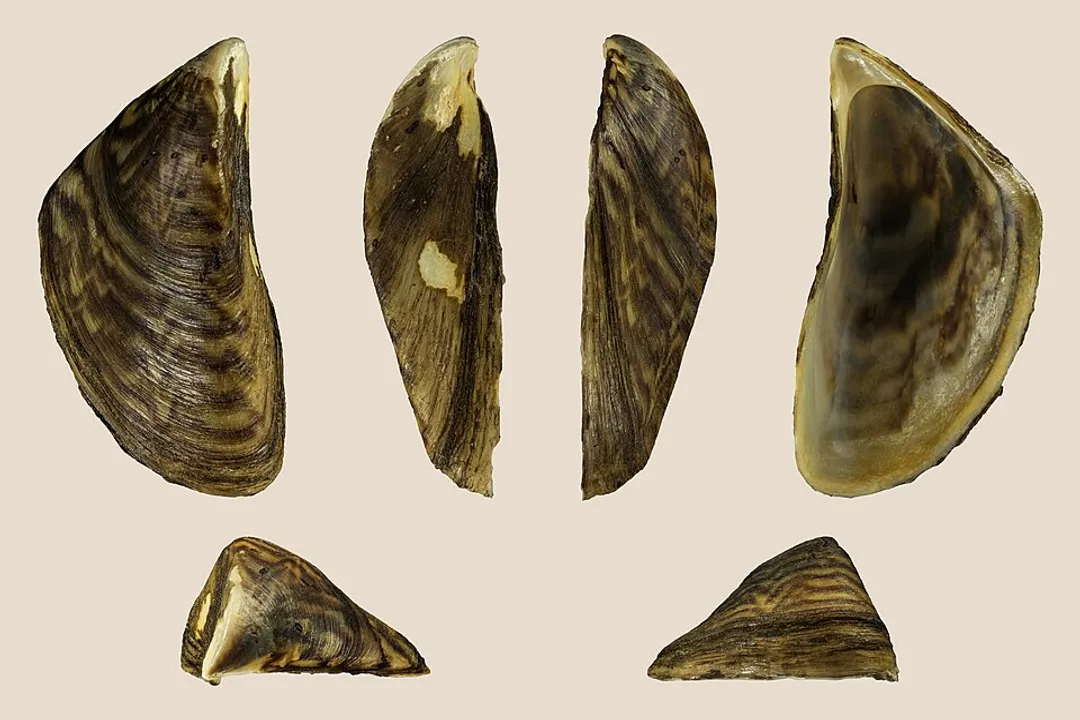
Why is distinguishing between zebra mussels and quagga mussels critical for remediation strategies?
Their distinct physical locations within the water body differ
The success of management and remediation efforts hinges on correctly identifying which species is dominant in a localized habitat because their habitat preferences cause them to manifest in different physical locations. Zebra mussels prefer hard substrates in the upper water column due to their light requirements. Conversely, quagga mussels can colonize softer sediments, often leading to a heavier concentration of biomass along the benthic zone, which is typically deeper. This variance in depth and substrate preference necessitates different strategies for treating infrastructure blockage or ecological impact depending on whether the focus is on the substrate-dependent ZM or the bottom-colonizing QM.