What is the main diet of a monkey?
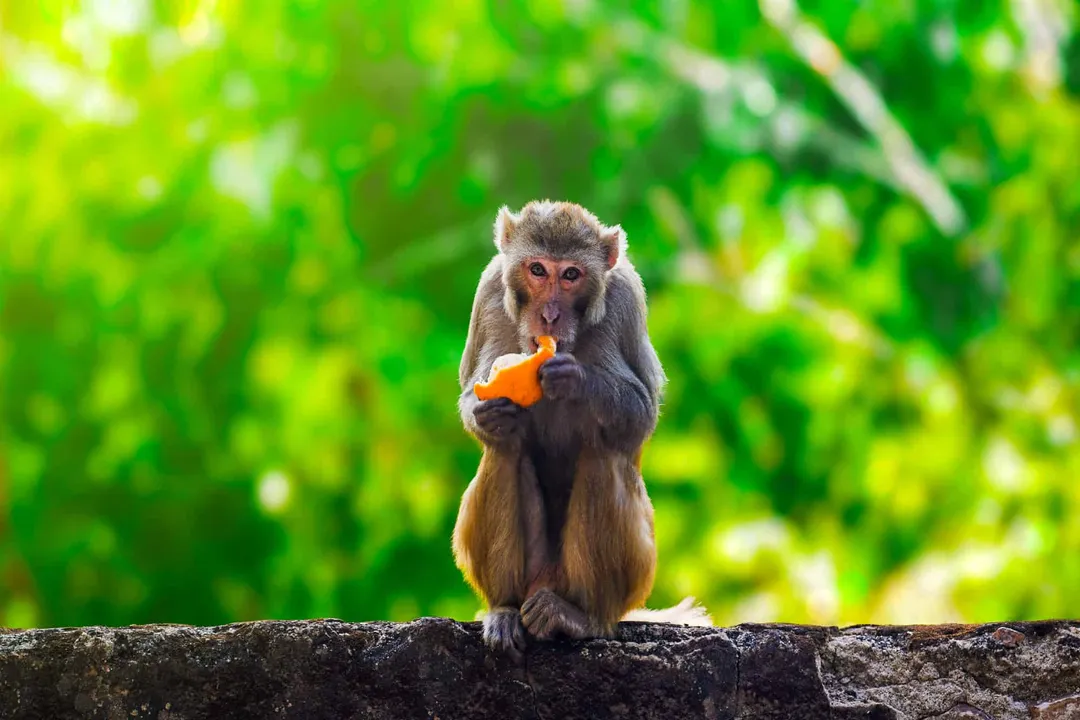
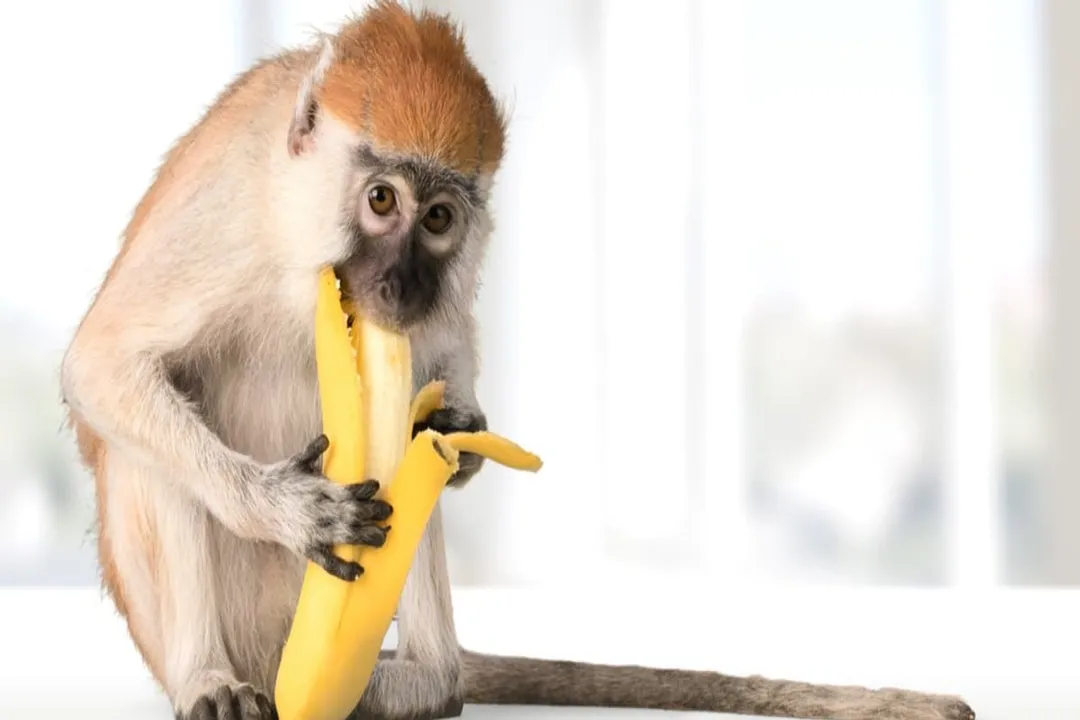
The image of a monkey perched with a banana held delicately between its fingers is perhaps one of the most enduring mental shortcuts we have for the animal kingdom. However, this association, while not entirely baseless, masks a much broader and more fascinating reality about what these diverse primates consume. The diet of a monkey is far from monolithic; it shifts dramatically depending on the species, the environment they inhabit, and even the season. [1][2] To paint all monkeys with the same dietary brush ignores the incredible specialization that has evolved across hundreds of different primate species inhabiting jungles, forests, and savannas worldwide. [5]
# Primary Foods

While the iconic yellow fruit is certainly a part of the diet for many species, it is rarely the only thing they eat. [4] The single largest component for many monkey species across the globe is fruit, which provides quick energy and necessary sugars. [1][2] This preference for sweet, fleshy produce is common among smaller, more arboreal monkeys, though even these animals seek variety when available. [5]
# Leafy Greens
If fruit is the primary snack, then leaves, shoots, and buds form the essential vegetative base for a significant portion of the monkey population. [1] Many monkeys consume large quantities of leaves, which offer fiber and necessary nutrients that fruits often lack. [2] Think of how much time is spent foraging for the right type of browse; this is more than just filling up—it's about nutritional density. For instance, species that spend more time in the canopy or rely on denser forest environments often have digestive systems adapted to process fibrous plant matter efficiently. [5] It highlights an important dietary principle: the primary food source provides calories, but the secondary sources—the leaves—often provide critical micronutrients.
# Seeds and Nuts
For monkeys needing a higher caloric or fat intake, seeds and nuts become incredibly valuable components of their meals. [8] These items are generally harder to access or process, often requiring specialized teeth or learned techniques, like using stones to crack harder shells, though not all monkeys possess this manipulative skill. [2] The inclusion of nuts signals a shift toward a diet that demands more physical effort but rewards the consumer with long-lasting energy reserves. [1] Species living in areas where fruit is scarce for parts of the year might rely more heavily on these durable food sources. [5]
# Protein Acquisition
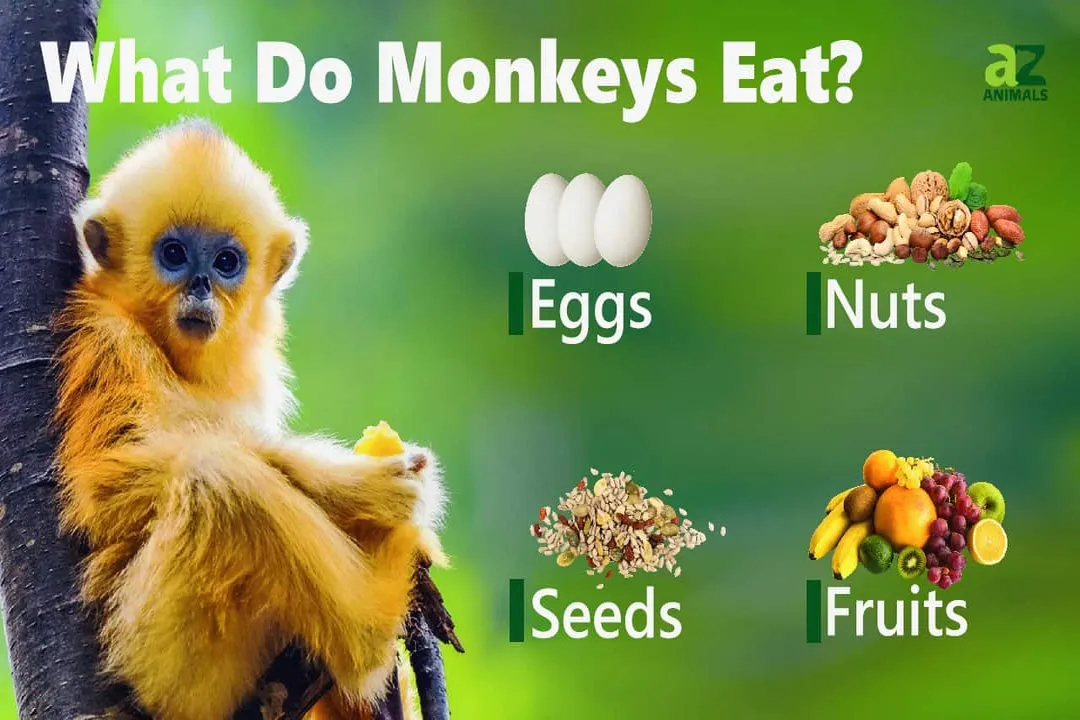
Monkeys are not strictly herbivores; their nutritional requirements necessitate the occasional intake of animal protein, which they obtain through several surprising avenues. [2] This aspect of their diet is often overlooked when discussing what they eat, but it is vital for development and maintenance. [8]
# Insects and Invertebrates
Insects represent a readily available and nutrient-rich protein source for countless monkey species. [2] From termites and ants to larvae and grasshoppers, the forest floor and tree bark offer a bounty of small, mobile snacks. [1] The act of meticulously picking through bark or overturning leaves to find these bugs is a common sight, showing a behavior driven by the need for essential amino acids that are harder to find in plant material alone. [2]
# Eggs and Small Prey
Some monkeys will supplement their insect intake with slightly larger prey items, such as bird eggs or even small vertebrates if the opportunity arises. [8] While this might seem predatory, it is an opportunistic behavior driven by immediate need and availability. [2] Observing a troop that successfully locates a nest demonstrates a sophisticated level of social coordination and information sharing about food resources in the immediate vicinity.
# Species Variation Insights
The reality of monkey diets is best understood by looking at the extreme variation between groups. It is essential to recognize that the word "monkey" covers hundreds of species, ranging from the tiny marmoset to the large baboon, and their feeding strategies reflect this diversity. [5]
For example, some New World monkeys, like marmosets and tamarins, are gummivores, meaning a significant portion of their diet is sap or gum tapped from trees, a dietary niche requiring specialized adaptations in their teeth and digestive tracts. [5] Contrast this with how a baboon, which often forages on the ground in open savannas, might consume roots, tubers, grass seeds, and even small animals—a much broader, more omnivorous profile. [1][2]
Here is a quick look at how dietary reliance can differ, emphasizing that general statements often fail when discussing primates:
| Dietary Category | Primary Reliance Example | Secondary Reliance |
|---|---|---|
| Frugivore | Ripe Fruits (e.g., Spider Monkeys) | Young Leaves, Nectar |
| Folivore | Mature/Tender Leaves (e.g., Colobus Monkeys) | Fruits, Buds |
| Omnivore | Insects, Seeds, Roots (e.g., Baboons) | Fruits, Occasionally Small Vertebrates |
| Gummivore | Tree Sap/Gum (e.g., Tamarins) | Insects, Small Fruits |
When thinking about diet in a captive setting, such as a zoo, the importance of providing a varied intake becomes an ethical consideration rather than just a biological necessity. [6] Zoo nutritionists often aim to mimic the nutritional breadth of the wild diet, ensuring that even when the primary food source is consistent, the secondary vitamins and minerals found in diverse vegetation are supplied. [6] This effort to replicate natural nutritional variety underscores how far a monkey’s actual diet extends beyond just one or two staple foods. [5]
# Adaptation to Local Context
One fascinating takeaway when examining global monkey diets is how profoundly local conditions dictate menu choices. A troop living near a river might heavily depend on aquatic plants or fish caught opportunistically, while a group in a drier woodland area might focus intensely on tough, dry seeds and bark. [1] This adaptive flexibility is why primates have been so successful across so many different global habitats.
Consider the difference between a high-altitude primate whose growing season is short, forcing it to hoard energy from seasonal fruits and stored fats, versus a tropical lowland monkey that has year-round access to a continuous supply of fresh leaves and soft fruits. [9] This leads to an interesting behavioral point: the sheer time spent foraging is a direct indicator of food availability. If a monkey spends most of its day eating only leaves, it suggests that the higher-calorie options, like ripe fruit or insects, are either rare or highly contested. [5] The texture and availability of food directly shape the social dynamics and movement patterns of the entire group.
# Constructing a Balanced Plate
For the general observer, the main lesson is that uniformity is the exception, not the rule, in the monkey world. The sheer variety of items they consume—from flowers to fungi, leaves to lizards—means that balance is achieved across the entire troop's feeding efforts over a period of days or weeks, rather than in a single meal. [1][2] If a monkey eats a lot of low-protein fruit one day, the next day's foraging will likely prioritize insect hunting or finding better leaf sources to make up the difference. This constant, low-level adjustment for optimal nutrition is a quiet form of expertise that every successful monkey troop exhibits daily. It demonstrates a natural, instinctual understanding of dietary requirements that we often overcomplicate when preparing food for them in managed care. [6] The goal is always to ensure the spectrum of necessary vitamins, minerals, fiber, and macronutrients is met, even if those components come from vastly different sources depending on the season or habitat. [5]
Related Questions
#Citations
What Do Monkeys Eat? - Africa Safaris
The Most Common Foods Monkeys Love to Eat - A-Z Animals
What Do Monkeys Eat? - Lesson for Kids - Study.com
What food does the monkeys eat other than bananas : r/btd6 - Reddit
Primate - Diet, Fruits, Leaves | Britannica
Even Monkeys Should Eat Their Vegetables! - National Zoo
What is a monkeys favourite food? - Facebook
Monkey diet is richer in vitamins and minerals than human diet, UC ...