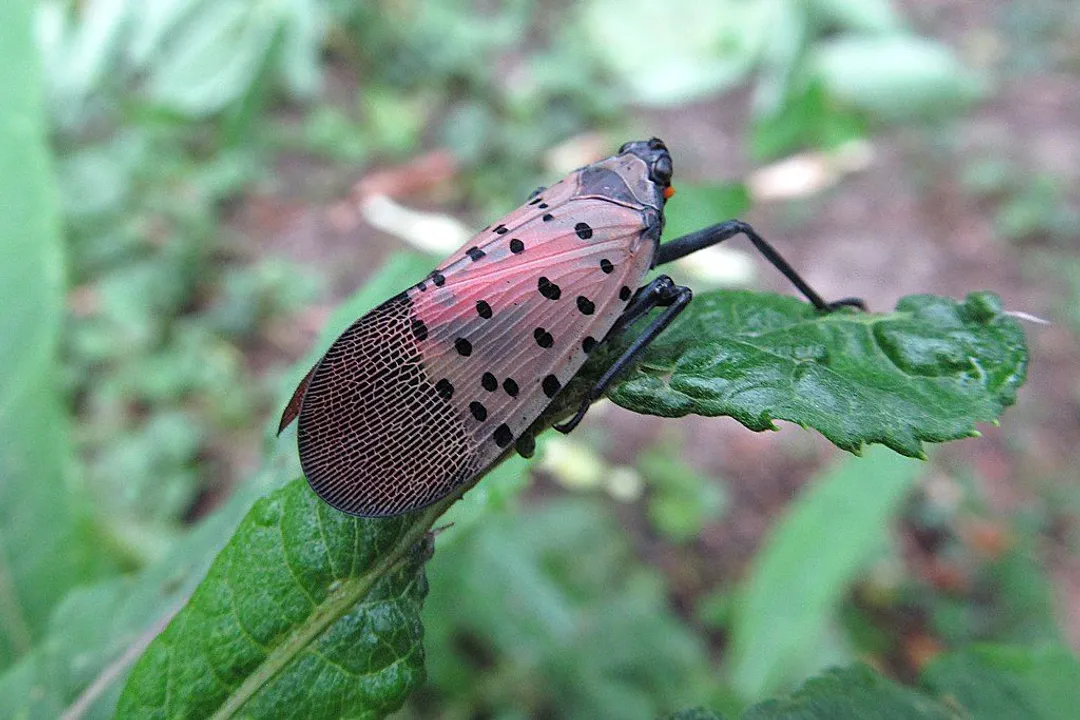
Why are slow-moving, brightly colored spotted lanternflies not devoured by every bird?
A potential chemical defense mechanism makes birds reluctant to consume them.
The primary explanation for the avoidance behavior observed in many birds towards the abundant spotted lanternfly relates to a suspected chemical defense mechanism possessed by the insect. Research, specifically noted from Penn State University, suggests that the SLF may carry a toxic shield. This chemical deterrence means that even if the bird does not suffer lethal effects, even a mild illness following consumption provides a strong, rapid negative reinforcement. This learning experience teaches the bird to associate the insect’s conspicuous coloration—black, red, and white patterning—with physical discomfort, leading to a long-term learned aversion that is highly effective at suppressing predation.