What does a grebe bird eat?
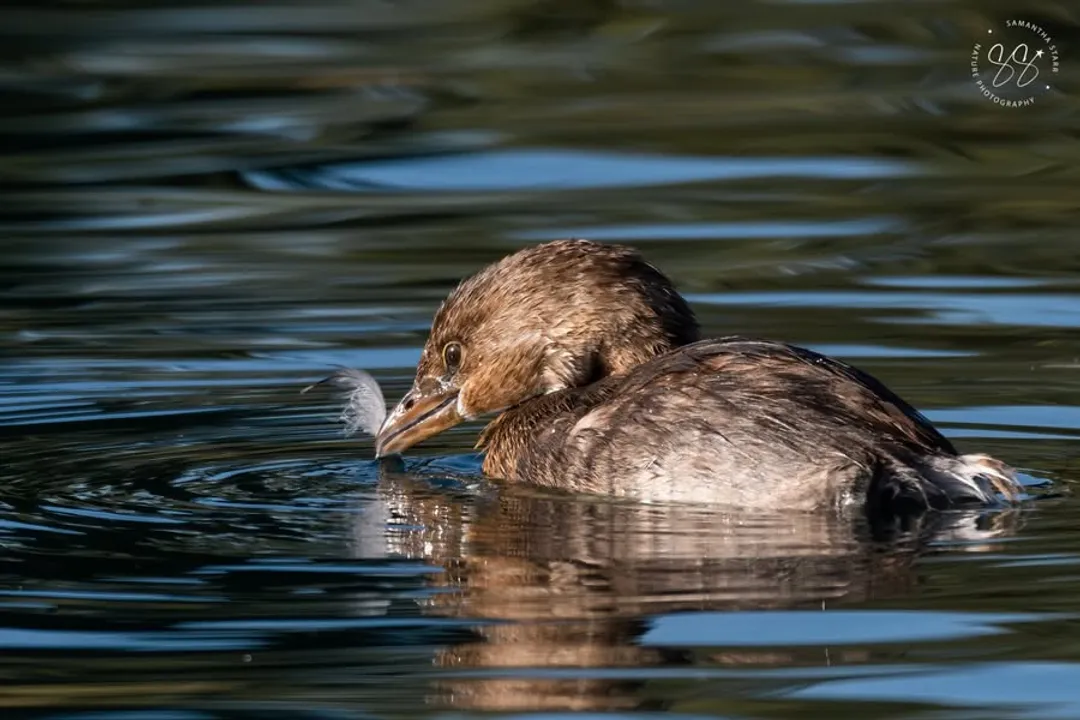
The diet of a grebe is intimately connected to the aquatic environments they inhabit, showing a strong preference for animal matter procured through expert diving. These birds are masters of the underwater pursuit, relying on their agility beneath the surface to capture prey. Across various species, the staple food items consistently include small fish, aquatic insects, and various crustaceans. [2][5][7][8] For instance, the Eared Grebe often focuses on high-energy, small invertebrates such as brine shrimp and midge larvae, especially when foraging in large groups. [9] In contrast, the Little Grebe's menu sometimes extends to include small quantities of aquatic plants alongside its usual fare of insects and crustaceans. [8] The Pied-billed Grebe broadens its intake to include amphibians like frogs and salamanders, alongside fish and invertebrates. [5] Even the Australasian Grebe, known for its deep dives, targets small fish and freshwater shrimp. [7]
# Underwater Pursuit
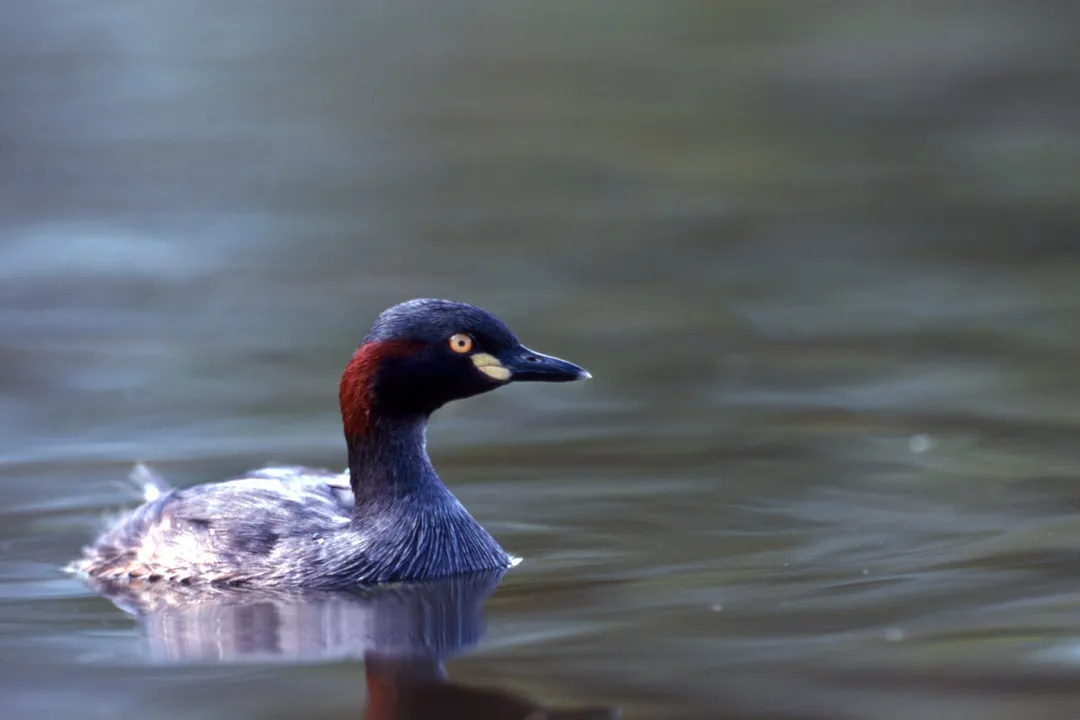
Grebes are built for sub-surface hunting. Their legs are set far back on their bodies, which is excellent for propulsion in water but makes them clumsy on land—a trade-off that favors their feeding strategy. [2] They actively pursue their food underwater, requiring excellent vision in dim, watery conditions. Some species demonstrate considerable depth capability; the Australasian Grebe has been observed diving to depths of around three meters to secure its meal. [7] This method of actively chasing prey, rather than just dipping or snatching from the surface, means they often swallow their catch immediately after capture.
# Feather Consumption
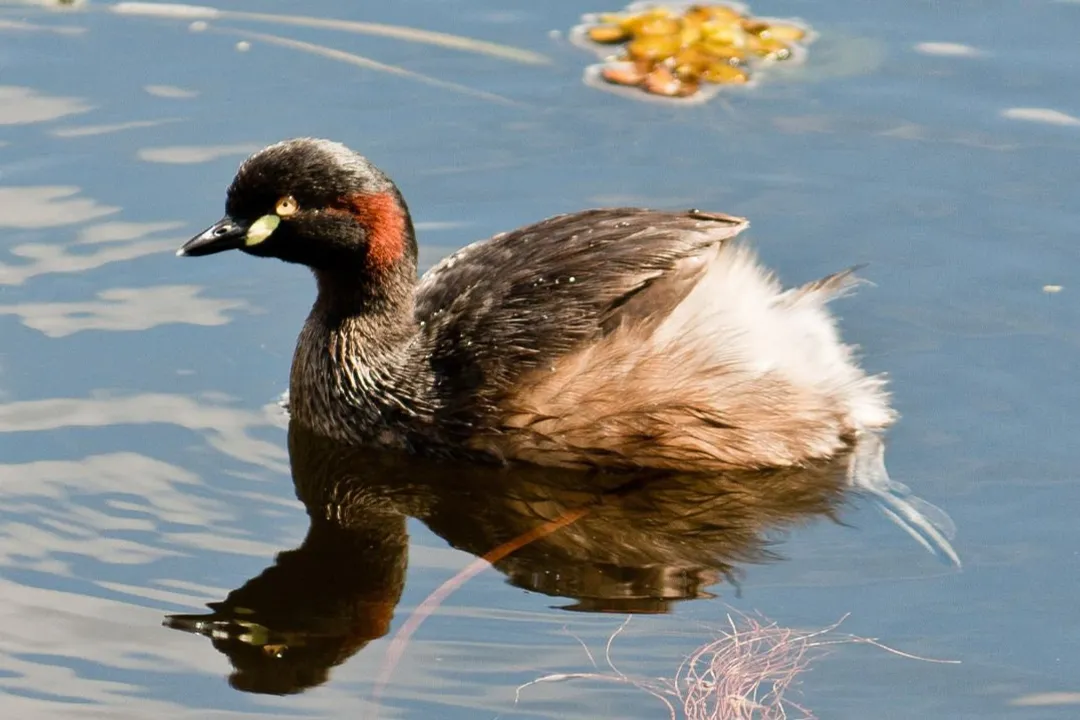
Perhaps the most peculiar aspect of a grebe’s feeding behavior is its regular consumption of its own feathers. This is not a random behavior but a distinct physiological strategy observed across multiple species. [1][3] Grebes will deliberately pluck soft feathers, often from their own breast or flank area, and swallow them whole. [3]
The primary recognized function of this feather ingestion relates to digestion and protection. One key theory suggests that the mass of feathers acts as a protective lining within the stomach, cushioning the digestive tract from the sharp edges found in their prey items. [1][6] Prey such as the exoskeletons of aquatic invertebrates or the bones and scales of fish can pose a physical risk during consumption. [3][6] The ingested feathers essentially wrap around these hard, sharp components. [1]
This mechanism is intrinsically linked to the bird's ability to manage indigestible material. When a grebe consumes prey that is too large or too bony to pass easily, the feathers help consolidate these materials into a compact form. This mass is then regurgitated later in a tightly formed pellet, allowing the bird to expel the sharp, non-digestible remnants. [2][3] It is fascinating to consider that a species capable of swallowing prey larger than its stomach capacity, as noted with the Pied-billed Grebe, relies on this feathered "gastrointestinal filter" to maintain its physical health and continue consuming high-value, if potentially dangerous, meals. [5] Observing a grebe that seems unusually preoccupied with preening and consuming its flank feathers might suggest it has recently managed a particularly challenging or bulky catch.
# Species Diet Summary
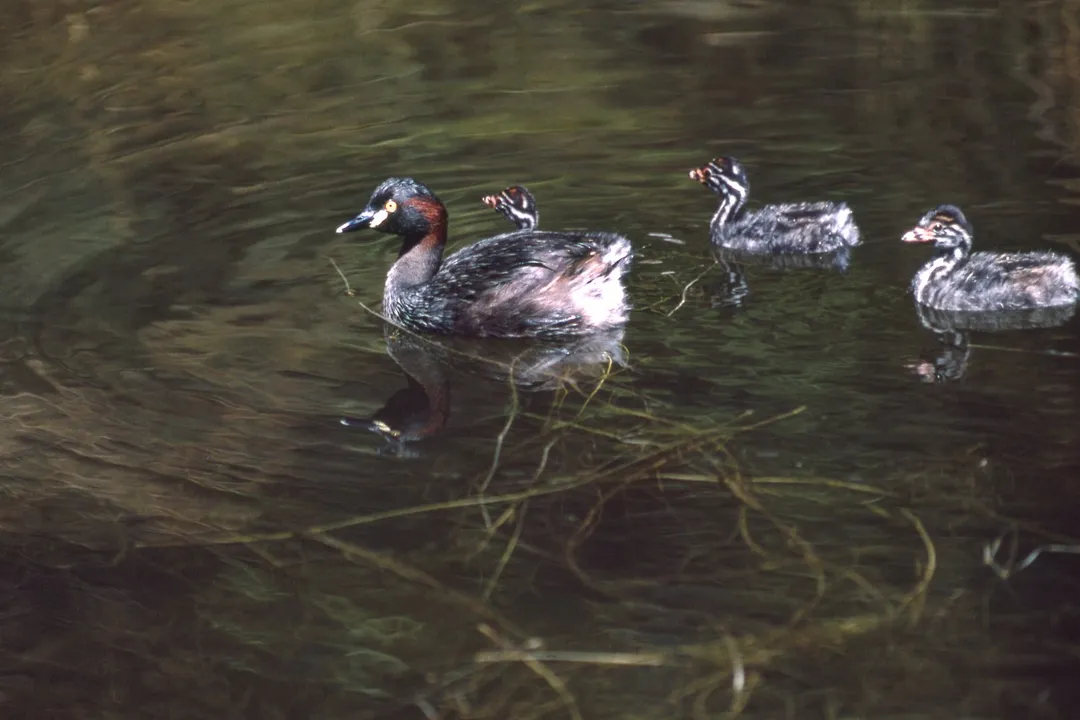
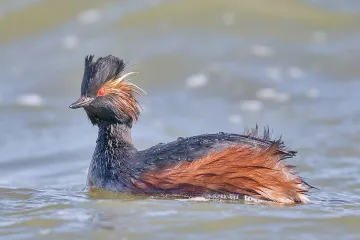
While the general diet centers on aquatic life, subtle variations exist depending on the available resources in their specific habitat. This variation highlights an adaptability in their feeding habits, allowing different grebe species to coexist in similar general areas by targeting slightly different parts of the aquatic food web. [8]
Here is a brief comparison of reported dietary components for several species mentioned:
| Species | Primary Diet Components | Noteworthy Additions |
|---|---|---|
| Western Grebe | Fish, Crustaceans | Amphibians [2] |
| Pied-billed Grebe | Aquatic Insects, Crustaceans | Small Fish, Frogs, Salamanders [5] |
| Eared Grebe | Aquatic Insects (e.g., Midge Larvae) | Brine Shrimp [9] |
| Little Grebe | Aquatic Insects & Larvae, Crustaceans | Small Fish, Aquatic Plants [8] |
| Australasian Grebe | Small Fish | Aquatic Insects, Freshwater Shrimp [7] |
If you are observing grebes in a region where both Eared Grebes and Western Grebes are present, you might notice the Eared Grebes concentrating on smaller, saltier invertebrates if a brine shrimp bloom is occurring, while the Western Grebes might be more focused on chasing minnows or crayfish in the deeper, clearer water column. [2][9] This niche partitioning reduces direct competition for resources, even among closely related species inhabiting the same lake or estuary.
# Digesting the Oddities
The relationship between the grebe's diet and its feather consumption provides a clear example of specialized adaptation in avian biology. The ingestion of feathers ensures that even when a bird makes an energetically rewarding catch—perhaps a large, bony fish or a large group of shelled creatures—it possesses the necessary biological tool to safely remove the resulting indigestible mass. [1][6] It’s a built-in solution to a self-imposed digestive challenge. When watching a grebe dive, remember that the success of that dive might depend not just on the catch itself, but on how well the bird manages the aftermath with its unique, feathery stomach padding. [3]
Related Questions
#Citations
Grebes Like Their Meals with a Side of Feathers—Here's ...
Western Grebe Life History
Why Grebes Eat Feathers
Pied-billed grebe's unique feeding behavior
Pied-billed Grebe
Feather Eating by Grebes – Maine Birds
Australasian Grebe
Little Grebe: Facts, Diet, Habitat
Podiceps nigricollis - Eared Grebe - Utah Field Guides