Why do mules eat less than horses?
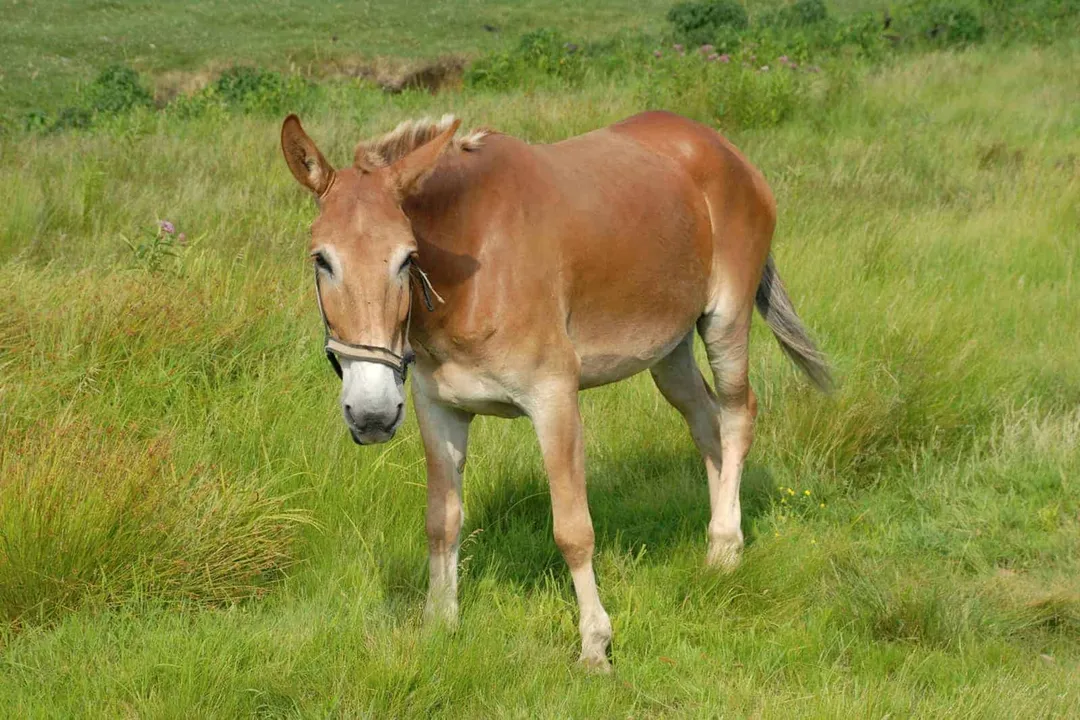
Mules often present a different picture when it comes to the feed bucket compared to their equine cousins, the horses. Anecdotally and practically, many owners find that mules consume less feed for the same workload or size, leading to questions about their digestive efficiency and overall maintenance requirements. [3] This distinction is not a minor quirk; it stems directly from their unique genetic makeup, which results in physiological requirements that keepers must respect when managing their diet. [4][6]
# Donkey Influence

The foundation of the mule’s famous hardiness and thriftiness lies in its parentage—the cross between a male donkey, known as a jack, and a female horse, or mare. [6] Donkeys, having evolved in arid and often sparse environments, possess a digestive system naturally geared toward extracting maximum nutrition from lower-quality forage. [4][5] This inherent efficiency seems to have been passed down, making the mule an exceptionally frugal eater when compared side-by-side with a horse of similar stature. [3] The difference observed isn't just about how much they weigh; it’s fundamentally about how their bodies process the material they consume. [5]
# Gut Processing Speed
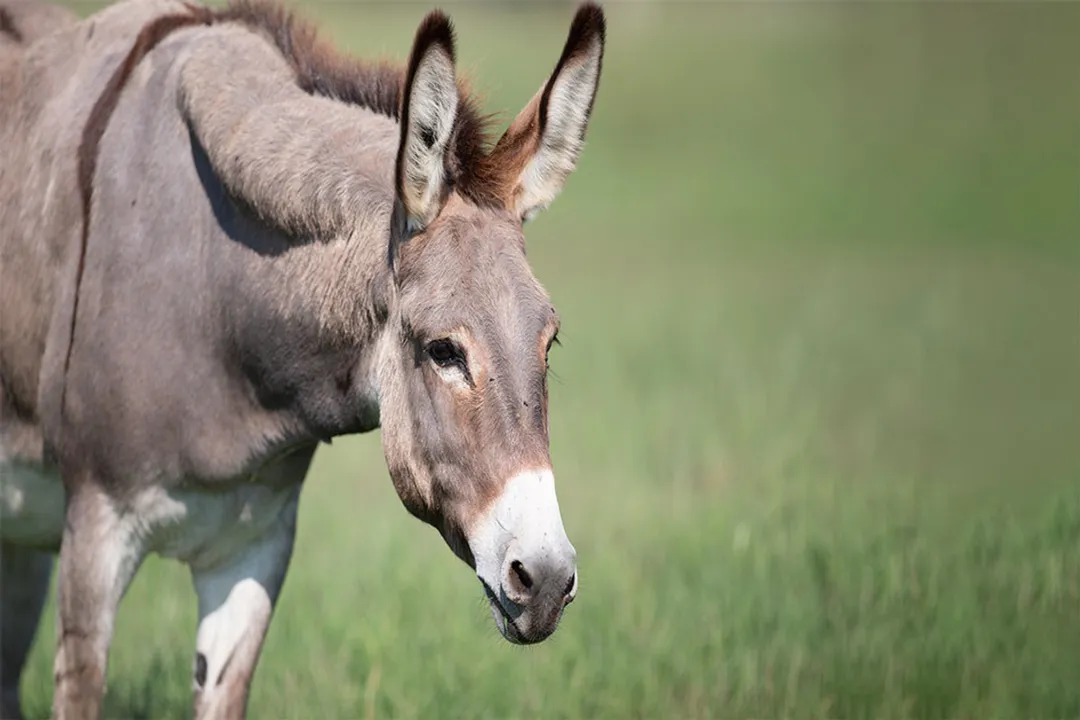
A key physiological distinction that underpins this lower intake is the rate at which feed moves through their gastrointestinal tract. Mules typically exhibit a slower rate of feed passage compared to horses. [5] This slower transit time is significant because it allows the resident gut microbes a greater opportunity to thoroughly break down tough fibers and absorb essential nutrients. [4] Horses, having evolved to thrive on richer grazing lands, process feed more quickly, meaning they generally require a higher volume of intake to meet their energy requirements. [5] One can conceptualize this difference by thinking of the mule's system as a slow-cooker, adept at extracting maximum goodness from less material over a longer period, while the horse operates closer to a rapid-cooker model. [5]
# Energy Requirements
Scientific assessment often points toward demonstrably lower maintenance energy requirements in mules when compared directly to horses. [4] While both species require calories simply to sustain life functions—known as basal metabolism—the mule appears to require less energy per unit of body weight to maintain itself when it is not engaged in strenuous work. [4][6] This lower basal need is intrinsically linked to their leaner body composition and that superior digestive efficiency previously discussed. [4] For the person managing the feed, this translates into a very practical reality: a mule might maintain excellent body condition on the exact volume of hay that leaves a horse of the same size feeling hungry or potentially losing weight. [8] It is imperative to remember that a mule’s lower intake volume does not imply a lower standard for nutritional quality; rather, it means they require a lower quantity of correctly formulated feed. [4]
# Historical Value
This reduced need for constant caloric input translated into considerable economic and logistical advantages throughout history. When resources were scarce or travel involved covering vast, desolate distances, the ability of an animal to sustain itself on limited rations was invaluable. [7] For example, the consistent preference shown by historical figures like mountain men for mules over horses often hinged entirely on their superior ability to survive long treks where resupply was impossible or severely limited. [7] This historical reliance strongly underscores the inherent survival advantage tied to their lower caloric requirements, a trait that frequently correlates with their ability to live longer lives than their horse counterparts. [3]
# Dietary Management Nuances
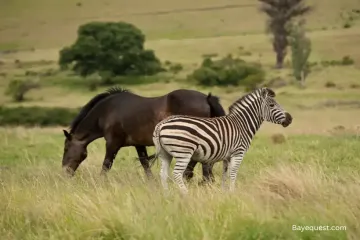
While it is an established fact that mules generally eat less than horses, owners must exercise caution and resist the common pitfall of cutting rations based purely on volume measurements. Because their digestive systems are so efficient at extracting energy, mules are exceptionally prone to rapid weight gain if they are overfed, especially when given rich feed sources. [4][8] A frequent error in husbandry occurs when an owner feeds a mule precisely what they feed a horse of the same weight; this practice almost guarantees the mule will become overweight and place itself at risk for serious metabolic conditions like laminitis. [4] A more reliable check for a mule engaged in light work is assessing its body condition using a standardized scoring system, rather than relying solely on measuring hay bales. If a standard recommendation suggests a horse needs 2% of its body weight in feed daily, that 2% for a 1,000-pound mule might translate to only 15 pounds of lower-quality forage, whereas a horse might require 20 pounds of the identical forage to maintain the same condition score. [8]
# Forage Quality Needs
Understanding the difference in required intake volume must always be balanced against an understanding of necessary forage quality. Both species thrive best on diets based heavily on forage, but the specific type of forage holds critical importance for mules. [5] Mules, inheriting the donkey's adaptation to tougher, less succulent vegetation, generally perform better on mature, lower-sugar, and lower-protein grasses than they do on lush, young pasture or high-energy, grain-based feeds formulated for hard-working horses. [4][5] A horse might absolutely require nutrient-dense alfalfa or specific grain mixes to maintain necessary energy levels, whereas administering that same rich diet to a mule without a corresponding high workload will invariably result in rapid and unhealthy weight accumulation. [8] This demonstrates that while they consume less material overall, their systems still demand the right kind of low-density fuel to stay healthy. [4]
# Longevity Factor
The renowned hardiness and lower intake capacity observed in mules are not solely traits for surviving hardship; they may also contribute significantly to their extended lifespan. [3] The very efficiency that allows them to thrive on less suggests a reduced level of chronic metabolic stress placed upon their systems over many years. [6] While it is impossible to calculate an exact figure, it stands to reason that constantly processing vast quantities of high-energy, nutrient-dense feed—which is common practice for many modern performance horses—places a greater systemic burden on the body than the slower, more measured, and lower-calorie intake typical for mules. [3] This difference in daily metabolic "wear and tear," driven by dietary volume, is a subtle but potentially significant biological factor explaining why mules commonly surpass the average lifespan of horses. [3]
Related Questions
#Citations
Why were mules and draft horses used if they consume so ... - Reddit
Mule Care | Exeter Veterinary Hospital
Mules are hardier, eat less, and live longer than horses ... - Facebook
Feeding Donkeys and Mules vs. Horses - Platinum Performance
Understanding Nutrition for Mules - The Horse
Mules Rule - Morris Animal Foundation
Why did Mountain Men prefer riding mules over horses? - Quora
Mule Care & Management Guide: Characteristics, Health & Nutrition
Mules are Equines Too | Richmond Fed