How long do egg-eating snakes live?
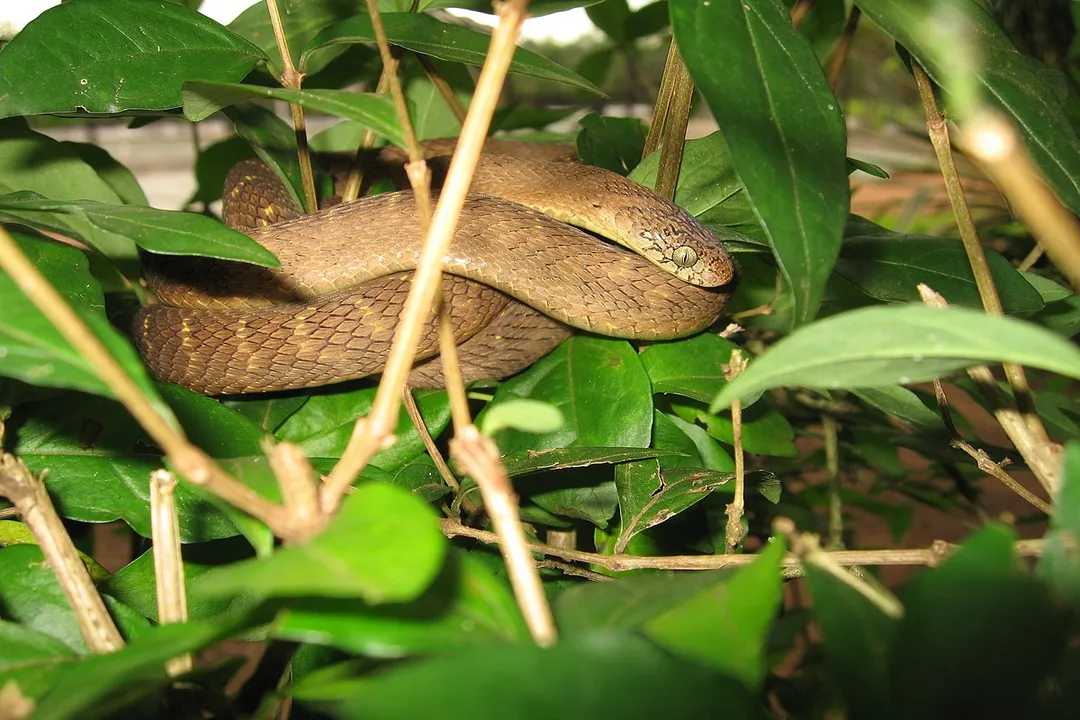
Determining the exact lifespan of an egg-eating snake depends heavily on whether you are looking at their life in the wild or within a dedicated captive environment, though most available data focuses on the latter. For those species commonly kept as pets, such as the various Dasypeltis species, keepers can generally expect these snakes to live for 10 to 20 years in captivity. Some sources narrow this expectation slightly, suggesting a range of 15 to 20 years is achievable with proper care. Anecdotal reports from the reptile community support these figures; for instance, some keepers have shared experiences of their snakes reaching 16 years of age, indicating that reaching the upper half of that range is certainly realistic for a well-cared-for individual.
# Years Expected
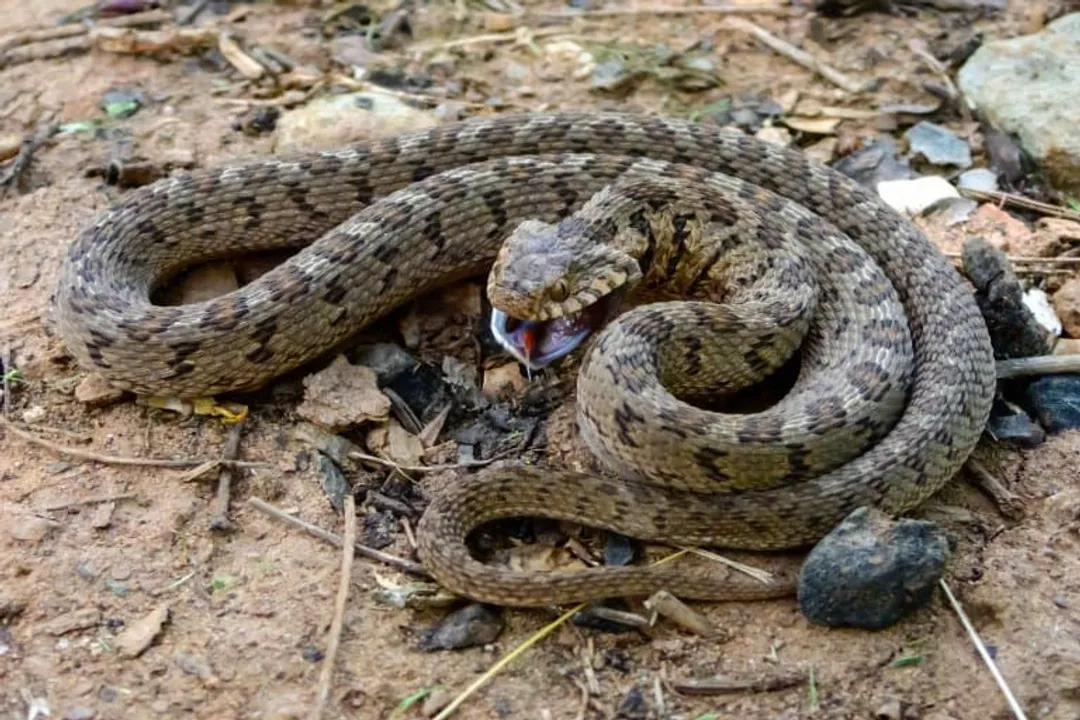
It is important to note the distinction between wild and captive longevity. While a specific maximum age for wild egg-eaters is difficult to pin down from general care sheets, the significantly enhanced security, guaranteed food supply, and absence of predation in a home setting allow them to reach their full biological potential, resulting in the reliable 10-to-20-year bracket. These snakes, like many small to medium-sized colubrids, are relatively long-lived pets, often outlasting smaller, more common starter snakes.
# Species Variation
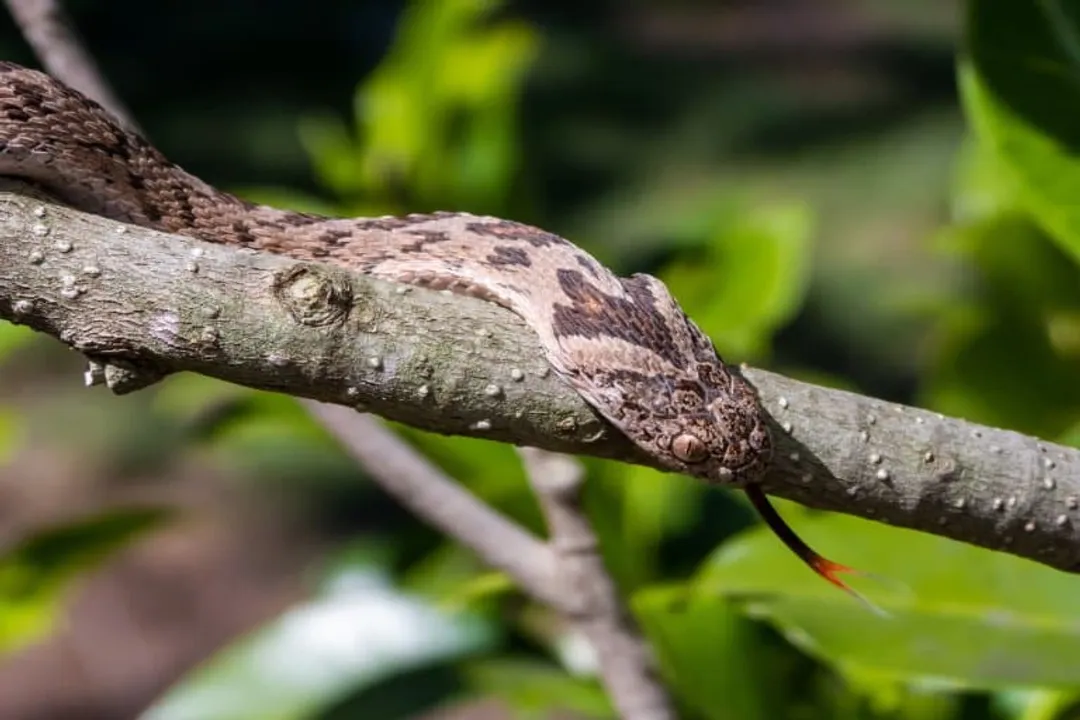
The term "egg-eating snake" covers several species, and while care sheets often treat them similarly, slight variations might exist in maximum potential age, though hard comparative data is scarce in common literature. The most frequently encountered species seems to be the Common Egg-Eater, Dasypeltis scabra. Others, like the Central African egg-eating snake, are also seen in the pet trade. While the general captive lifespan range holds true for the group, keepers should always confirm the specific needs, including adult size and preferred temperature gradients, for the exact species they possess.
# Housing Needs
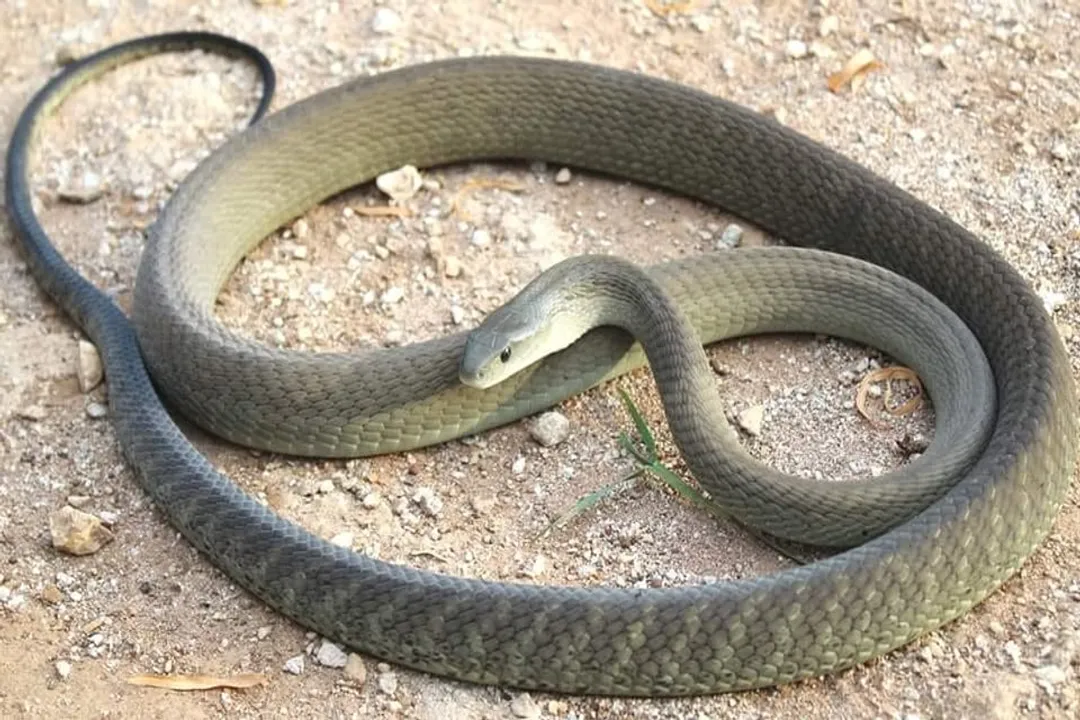
A snake’s longevity is intrinsically linked to the quality and appropriateness of its environment. If an egg-eater is to reach its two-decade potential, the enclosure must mimic the secure, arid, or semi-arid conditions it naturally experiences. For an adult, an enclosure that is perhaps 30 to 40 gallons is often cited as sufficient, though larger is always better for enrichment. Essential components include multiple hides—one on the warm side and one on the cool side—to allow for complete thermoregulation and a strong sense of security.
These snakes are generally secretive and nocturnal, and stress is a silent killer that shortens lifespans across the reptile world. One factor often overlooked in achieving maximum age is the provision of environmental complexity. Snakes that have structures to climb on and textures to move across—like cork bark, sturdy branches, and even specific substrate types—experience less chronic stress than those confined to a bare plastic tub with only a water bowl and two identical plastic boxes. Providing this level of stimulation allows them to express natural behaviors, which directly supports long-term health.
# Egg Diet
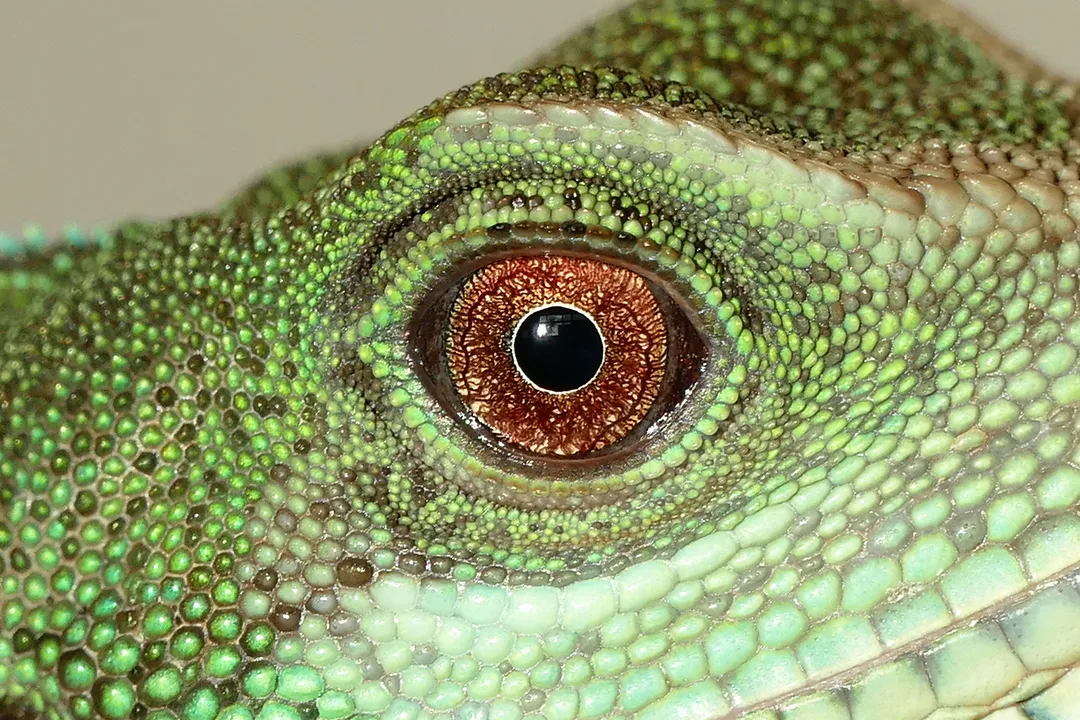
The entire existence of these specialized snakes revolves around their unique diet. They possess modified vertebrae, often described as "teeth," that crush the eggshell after swallowing it whole, allowing the contents to pass while the shell is regurgitated or passed later. This specialization means they cannot simply transition to rodents like many other snakes. They require regular access to bird eggs, usually quail or finch eggs, depending on the snake's size.
The greatest hurdle for long-term health, and thus longevity, is ensuring a consistent supply of correctly sized, nutritious eggs. While finding a quail egg might be easy, the owner must carefully match the egg size to the snake's girth. Feeding an egg that is too large can cause impaction or severe physical trauma, potentially ending the snake's life prematurely, regardless of how good the husbandry is otherwise. Conversely, feeding eggs that are too small or too frequently will lead to nutritional deficiencies or obesity, both of which degrade long-term health and cut years off their expected life. For instance, a small juvenile might need smaller finch eggs initially, while a large adult female can handle standard quail eggs. Maintaining this precise nutritional balance year after year is the keeper's most critical task in ensuring the snake reaches its full 15-to-20-year potential.
# Temperature Control
Precise thermal regulation is non-negotiable for proper digestion, which is key to absorbing nutrients that fuel a long life. If the snake cannot properly digest its meal, the undigested material can cause severe health issues. The basking spot temperature is usually recommended to be in the range of 88 to 92 degrees Fahrenheit. The ambient cool side should remain significantly lower, perhaps in the mid-70s Fahrenheit, to allow for necessary movement between zones. Using overhead heating elements, rather than under-tank heaters, is often preferred by experienced keepers as it better mimics natural solar radiation and allows for a more natural overhead thermal gradient.
# Water Needs
While egg-eaters do not require the high humidity levels demanded by many tropical snakes, dehydration is still a serious threat, especially since their diet consists primarily of liquid and membrane. A sturdy water dish must always be available and kept clean. While they might not soak frequently, access to fresh water is vital for shedding properly and maintaining overall metabolic function. Furthermore, some anecdotal experience suggests that providing slightly larger water dishes, even if the snake does not frequently submerge, can offer a psychological benefit by allowing them to feel more enclosed while drinking, further reducing perceived environmental stress.
# Health Signs
Recognizing signs of decline early is essential for intervening when a snake is in its teens. Because these snakes are naturally cryptic, changes in behavior are often the first indicator of a problem, whether it is a parasitic load, an incomplete shed, or an underlying dietary issue. A healthy, long-lived egg-eater should be alert when out of its hide, shed in one piece, and maintain a good body weight relative to its length. Any prolonged refusal to eat, persistent gaping, or sudden loss of muscle tone warrants a veterinary consultation to correct the issue before it compromises the snake’s potential to see its twentieth birthday.
#Videos
How Long Do Egg-Eating Snakes Live? - Reptilian Wonders
Related Questions
#Citations
Questions About Caring For African Egg Eating Snakes? - Reddit
Egg Eating Snake Care Sheet | Dubia.com
Noodle - African egg eating snake | Reptileacademy
How to Care for Your Egg-Eating Snake - Reptile Supply
Feeding your African egg-eating snake
12 Egg-cellent Egg-Eating Snake Facts - Fact Animal
Common Egg Eater (Dasypeltis scabra) - Ridgeway Frozen
How Long Do Egg-Eating Snakes Live? - Reptilian Wonders
Central African egg-eating snake - Wikipedia
Hi i don't have a snake right now but I might get one any advice on ...