What happens to predation rates across a local bird population due to rapid learned avoidance?
Answer
The rapid spread of learned avoidance can dramatically suppress predation rates.
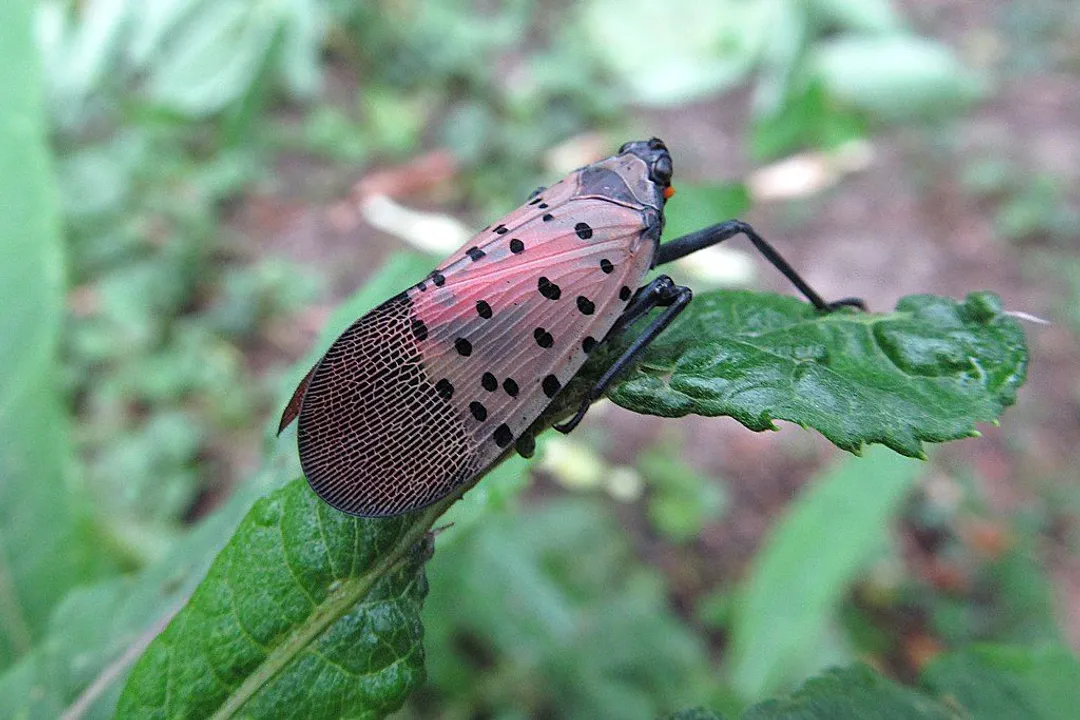
When one bird samples an unpalatable insect, the consequence—nausea or discomfort—is quickly communicated, sometimes non-verbally, through subsequent avoidance behavior exhibited by that bird. This behavior is rapidly picked up by other birds nearby, especially in environments where they have no prior evolutionary history with that specific chemical signature. Consequently, the learning curve for avoidance is steep, leading to a dramatic suppression of predation rates across the local avian population until new generations of birds replace those that acquired the aversion, or until the insect's defensive chemistry changes.
Related Questions
Why are slow-moving, brightly colored spotted lanternflies not devoured by every bird?Which specific bird species is confirmed in reports as occasionally consuming SLF?What function does the bright coloration of the spotted lanternfly often serve?What ecological context can reduce a Blue Jay's incentive to risk eating SLF?Compared to adults, which SLF life stage might be more readily accepted by foragers?Which university research suggested avian avoidance of SLF due to a toxic shield?What is the consequence of a single unpleasant encounter with SLF for a foraging bird?What happens to predation rates across a local bird population due to rapid learned avoidance?What management approach bypasses the biological uncertainty of avian predation on SLF?What is the long-term habitat management consideration to potentially increase opportunistic SLF feeding by predators?