What do crucian carps eat?
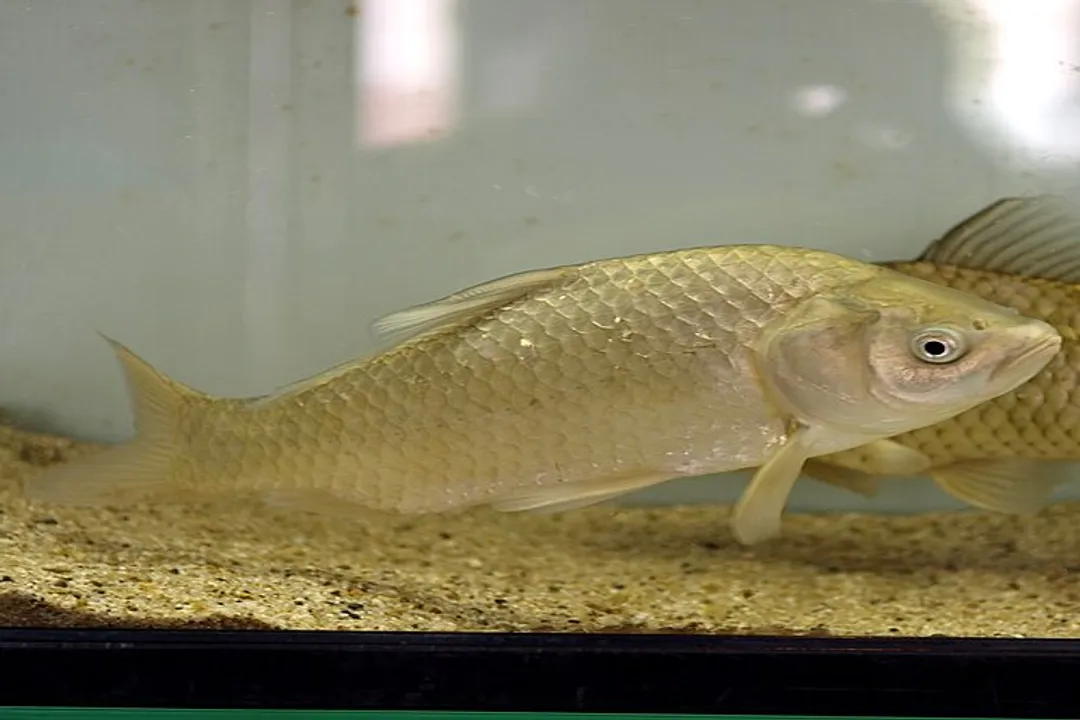
Crucian carp occupy a fascinating niche in freshwater ecosystems, largely due to their astonishing adaptability, which is directly supported by their varied and flexible diet. These fish are recognized as generalized omnivores, meaning their meals are sourced from virtually every level of their watery habitat, from the substrate at the bottom to the water column itself. Their ability to thrive in challenging environments, including low-oxygen or even freezing conditions, stems from this dietary plasticity.
# Foundational Foraging
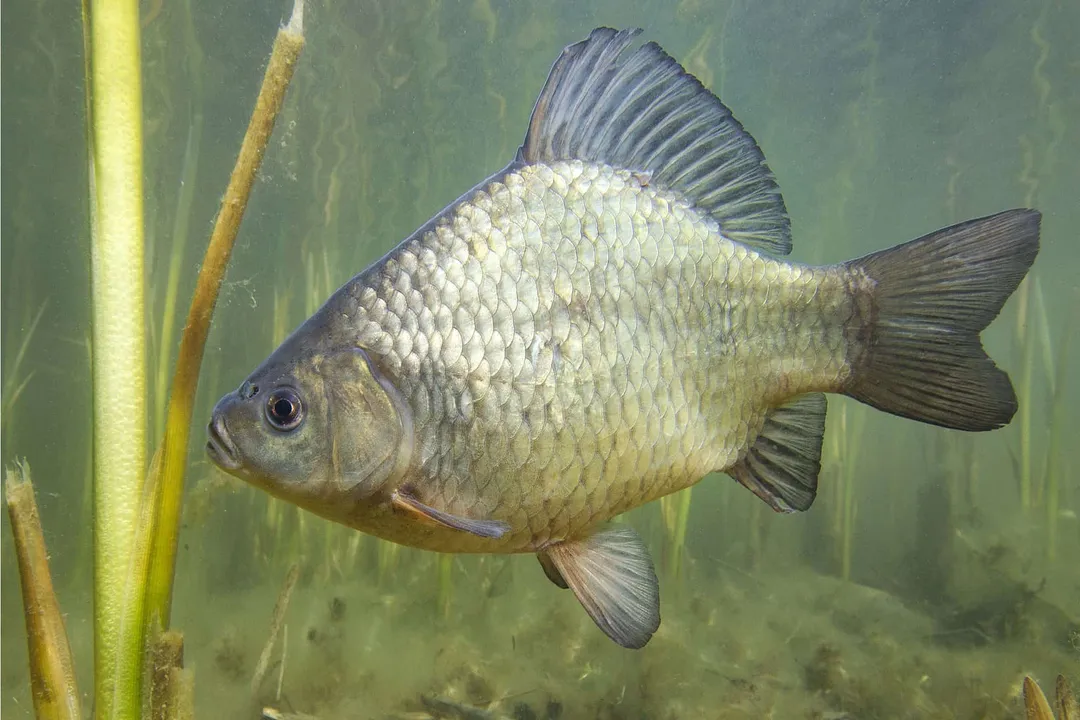
At the most fundamental level, the crucian carp consumes a broad spectrum of organic matter. This includes microscopic life, plant material, and the remnants of decay. For many populations, organic detritus—the decomposing fragments of dead plants and animals—forms a baseline component of their nutrition. Furthermore, they readily ingest algae, including diatoms and various forms of green and blue-green algae, depending on what is most available in their immediate surroundings.
When it comes to living prey, the animal portion of their diet centers heavily on invertebrates found within the water column or the sediment layer. They consume zooplankton, which includes small organisms like water fleas, copepods, and rotifers. Larger individuals, in particular, find insect larvae to be a critical energy source. Specific larval forms frequently identified in stomach content analyses include those from aquatic insects like Diptera (midges) and Hemiptera (true bugs). Other animal matter rounded out by crustaceans, mollusks, and worms contributes to their overall intake. Even fish eggs and very small fish or animals residing in the mud have been documented as part of their opportunistic feeding.
# Plant Matter Intake
While they are adept at consuming animal protein, the plant side of their omnivorous habit is equally important, often dictated by seasonal changes or habitat type. Crucian carp consume significant amounts of aquatic plants (macrophytes) and even seeds that fall into the water. In systems where they are abundant, phytoplankton—microscopic marine algae—can be a major constituent of their diet. One study of Carassius carassius in an Ethiopian reservoir showed that while insects were the most frequently encountered food item overall (nearly 80% occurrence), zooplankton was numerically dominant, making up the bulk of the individual items consumed, while phytoplankton contributed significantly as well.
This duality in diet—plant-based matter and animal prey—is what allows the crucian carp its renowned hardiness. When conditions are poor, the ability to subsist on detritus or algae allows the fish to survive when motile prey like insects or crustaceans become scarce.

# Dietary Shifts Across Life Stages
The menu for a crucian carp changes notably as it grows from a helpless hatchling to a mature adult. The youngest life stages are highly specialized feeders. Newly hatched juveniles rely initially on their yolk sac before beginning to feed on available resources. Once free-swimming, the larval stage is almost exclusively carnivorous, focusing on planktonic crustaceans as their primary food source.
As these young fish grow—around the 1.8 cm mark—a distinct behavioral and dietary shift occurs. They begin to form schools and move to offshore areas, and their primary food source transitions to phytoplankton. For the Japanese white crucian carp variant, phytoplankton remains the primary food source even through adulthood, a feeding habit reflected in specialized pharyngeal teeth.
For the Carassius carassius populations common in Europe, the pattern observed in research suggests a progressive move toward larger prey as they age. Individuals under about 16 cm FL are composed mostly of phytoplankton in their diet, while those in the middle size range (17 to 26 cm) consume more zooplankton. The largest individuals show an increasing frequency of insects in their stomach contents, suggesting a transition from suspension/filter feeding to more active benthic or water-column predation as they develop. This ontogenetic shift in feeding is a classic survival strategy, allowing different age groups to utilize different resources and reducing direct competition between young and old fish within the same body of water. The reliance on insects increases as the fish grows larger, even while the importance of phytoplankton and zooplankton relatively decreases.
# Feeding Behavior and Environmental Influence
Crucian carp do not simply eat whatever is available; their feeding patterns are also governed by behavior and environmental cues. They are known to be aggressive feeders, like many carp species, yet they can also be exceptionally wary, especially when being angled for [cite: 4 from second browse]. They are typically described as bottom feeders, often sifting through silt to hunt for food like bloodworms, but they will readily feed at any level in the water column, including taking food from the surface on sunny days.
Their activity levels are strongly linked to water conditions. They feed actively during the warmer summer months, but when winter sets in, and especially when ponds become iced over and anoxic (lacking oxygen), feeding can cease for months as the fish enter a state of metabolic slowdown. This metabolic adaptation is a key component of their survival.
The quality of the food sources is intimately linked to the quality of the fish flesh itself. Anecdotal experience from anglers suggests that carp taken from pristine, clean water sources—sometimes even reservoirs used for drinking water—can taste remarkably mild, even comparable to trout [cite: 1 from second browse]. Conversely, when they consume a high amount of detritus or feed in polluted, stagnant conditions, they can develop a pronounced, undesirable muddy or musty flavor [cite: 1 from second browse]. This phenomenon is due to specific chemicals like geosmin produced by certain organisms common in those waters [cite: 1 from second browse].
If you are managing a stock, whether in a managed fishery or an aquarium, understanding this diet-to-taste connection is vital. The fact that they are opportunistic feeders means that introducing specific, high-quality natural food sources, such as certain aquatic invertebrates, may enhance growth and flavor profile, something noted in specific reservoir studies where insect consumption rose with fish size. For the angler, this suggests that targeting the specific food item most prevalent for a certain size class during active feeding months—say, focusing on larval stages of Diptera in the spring—may yield better results than using a generalized bait. The adaptability that allows them to survive in mud bogs also means they can rapidly shift their diet when conditions improve, showing an opportunistic nature where they shift from one food group to another based on temporal availability. This opportunistic feeding mechanism ensures that even when one food group dips, another can sustain them until conditions change again.
# Cultivated Diets and Consumption
The crucian carp, or its close variants like the hera-buna in Japan, is a significant food source in many Eastern European and Asian countries. In aquaculture settings, where conditions are controlled, their diet is often monitored to ensure high-quality protein production. The fish's rapid growth rate in rich (eutrophic) waters makes them an efficient producer of animal protein. For human consumption, preparation methods are often elaborate to address the fine, numerous bones, such as scoring the fillets deeply or using them in stews and soups[cite: 1 from second browse]. In some traditions, like Polish Christmas Eve dinners, they are a staple, often requiring a "purging" period where the live fish is kept in clean water for several days to cleanse its system of any lingering off-flavors before cooking [cite: 1 from second browse]. This cultural practice directly acknowledges the fish's dependence on its immediate environment for final flavor quality.
The diet of the crucian carp, therefore, is not just a list of organisms; it is the engine behind one of freshwater's most resilient and adaptable fish species, allowing it to persist across vast climatic zones and through seasonal extremes.
Related Questions
#Citations
Crucian Carp Fish Facts
Crucian Carp
Species Profile - Crucian carp - Nonindigenous Aquatic Species
Food and feeding habits of Crucian carp (Carassius ...
Japanese white crucian carp
Crucian carp, its habitats, characteristics, fishing methods ...
I ate carp from a lake with drinking water quality and it ...