What should iguanas not eat?
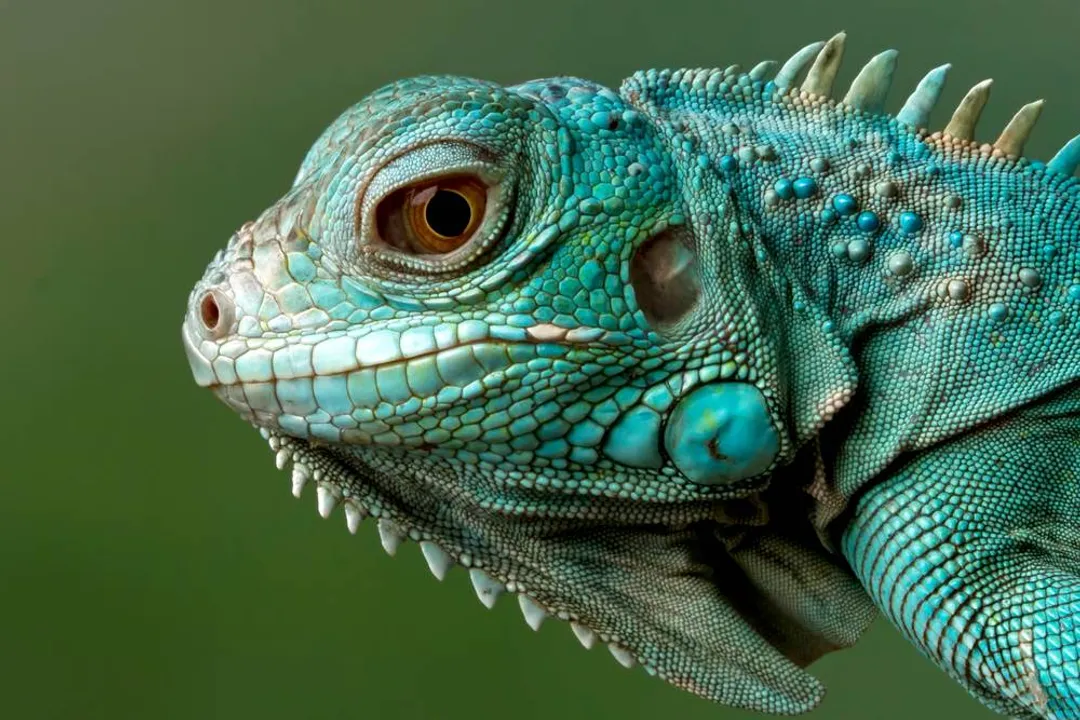
The well-being of a pet green iguana hinges almost entirely on meticulous dietary management, especially when it comes to understanding what not to put in their bowls. While owners often focus on sourcing the perfect leafy greens, avoiding hazardous or nutritionally detrimental items is equally, if not more, critical for preventing serious, sometimes fatal, health issues. [5][7] Captive iguanas rely on us completely for their mineral balance, and mistakes in feeding can lead to metabolic bone disease (MBD) or organ failure over time. [7]
# Toxic Plants
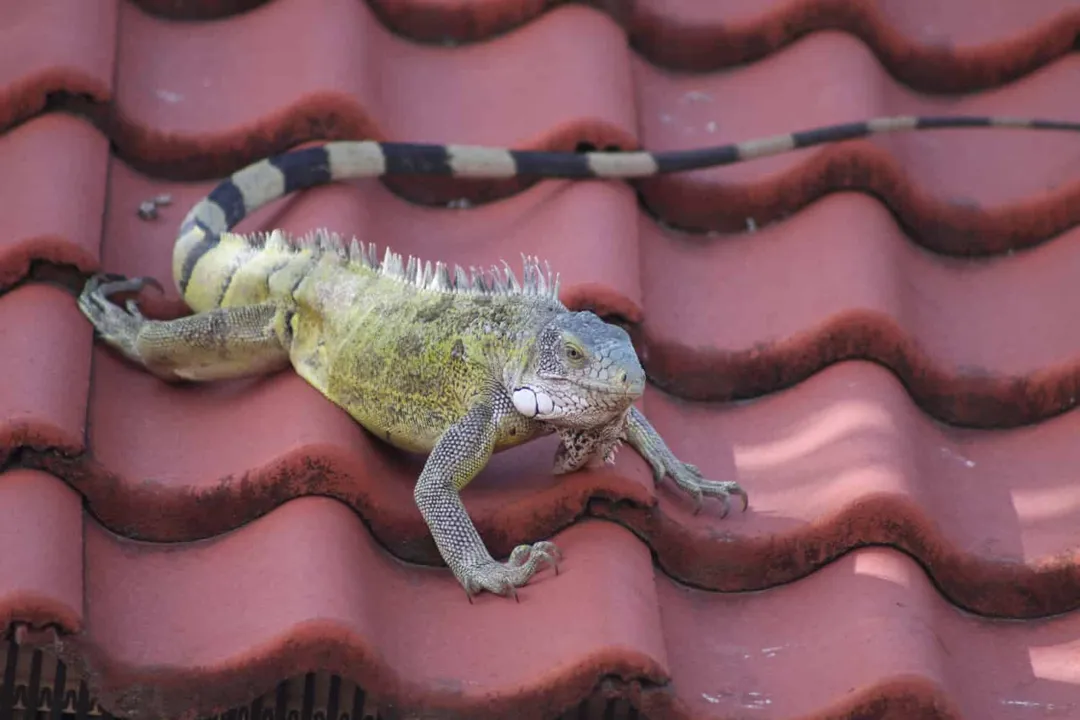
One of the most immediate dangers to an iguana comes from accidental ingestion of common household or garden flora. Reptiles can ingest toxins present in plants that might be harmless to mammals, and this danger is significant enough that owners should exercise extreme caution regarding any unverified greenery. [4] Several well-known plants are outright poisonous to iguanas. [2][4]
For instance, plants containing oxalates in high concentrations can bind with calcium, making it unavailable for absorption, which is a critical problem for a species already prone to MBD. [6] While some mild sources of oxalates are acceptable in a varied diet, plants like spinach should be strictly avoided in significant quantities because of this binding effect. [1][5] Furthermore, certain common garden plants are acutely toxic. Rhododendron, oleander, azaleas, and ivy varieties are frequently cited as serious threats. [2][4] Even common houseplants such as philodendron and dieffenbachia contain calcium oxalates that cause severe oral irritation and internal distress if consumed. [4] In a situation where an iguana has access to an outdoor area or an indoor collection of varied plants, understanding the local toxic flora is vital for preventing emergency care. [2] It is often safer to remove access to any non-food plant entirely rather than risk a reaction from one toxic leaf hiding among safe ones. [4]
# Nutrient Binders
Beyond the acutely poisonous, a large category of foods poses a threat through nutritional interference. These items may not kill the iguana instantly, but they contribute to long-term deficiency diseases that severely compromise bone density and organ function. [6][7] The balance between calcium (Ca) and phosphorus (P) is paramount for iguanas; the ideal ratio is around 2:1 Ca:P. [1][7] When an iguana consumes too much phosphorus without adequate calcium, the phosphorus actively pulls calcium from the bones to balance the ratio in the bloodstream, leading to soft, rubbery bones—the hallmark of MBD. [6]
Many dark, leafy greens, staples in a healthy diet, actually contain high levels of phosphorus or other compounds that inhibit calcium uptake. For example, kale is often listed as fine in moderation, but excessive amounts can be problematic because of its phosphorus content relative to its calcium content, despite being a green. [1] If you look at the raw data, a food like kale might have a Ca:P ratio closer to 1:1 or slightly less, meaning it's not actively helping the calcium uptake like collard greens (which boast ratios closer to 3:1) might. [1] This illustrates a key concept: simply being "green" doesn't guarantee nutritional benefit; the specific mineral profile dictates its value. Foods extremely high in oxalates, such as spinach, work differently by sequestering the calcium already present, rendering it useless before absorption can even begin. [6] For daily feeding, rotating between very safe, high-calcium greens and using moderate amounts of slightly lower-ratio greens is a management strategy, but those with known inhibitory effects should be fed sparingly or substituted entirely. [5][6]
# Animal Protein Risks
Perhaps one of the most common misconceptions for new iguana keepers involves feeding animal matter. Green iguanas are overwhelmingly herbivores, particularly as adults. [7] While hatchlings and juveniles may consume small amounts of insects or scavenge very tiny animal matter in the wild, feeding animal protein like meat, dog/cat food, or a substantial number of insects to a captive adult is highly detrimental. [1][7]
This type of food is extremely high in protein, which the iguana’s digestive system is not equipped to process efficiently. [7] The excess protein places significant strain on the kidneys, often leading to gout and renal failure over time. [1] Furthermore, insect feeders like crickets or mealworms, even if provided in small amounts, carry an unfavorable calcium to phosphorus ratio, usually with far too much phosphorus. [1][5] Feeding these regularly contributes directly to the MBD cycle mentioned previously. [6] If you are supplementing a juvenile diet, experts often suggest using vegetable-based protein sources or specific, formulated reptile pellets designed for omnivorous stages, rather than relying on insects or mammalian meat products. [7] For a fully grown iguana, the diet should consist almost entirely of appropriate vegetation.
# Sugars and Processed Foods
The modern kitchen offers a wealth of easy-to-provide snacks, but almost none of them are suitable for an iguana. Fruits, while sometimes recommended as rare treats due to their appeal, are very high in sugar compared to their nutritional density. [5][7] Because iguanas do not process simple sugars as efficiently as omnivores, feeding too much fruit can contribute to obesity, fatty liver disease, and a general lack of appetite for the more necessary leafy greens. [7] It’s a simple exchange: every bite of high-sugar fruit is a bite not taken from a calcium-rich vegetable. [5] Treats should make up less than 5% of the total diet. [7]
Beyond fruit, direct human foods are universally inappropriate. Dairy products, such as cheese or milk, are indigestible and provide no required nutrients; the iguana lacks the necessary enzymes. [3][7] Breads, pasta, refined cereals, and anything containing refined sugars or excessive salt should never be offered. [3] These items offer empty calories with the potential to disrupt the sensitive gut biome or contribute to chronic health issues like kidney or liver stress. [1] Even small amounts of avocado are often discouraged due to potential toxicity concerns noted in some veterinary guidelines. [7]
# The Danger of Cumulative Effects
While acute poisoning from a toxic plant is dramatic, many keepers underestimate the danger of chronic, low-grade nutritional deficiencies or slight toxicities that build up over years. [4] An iguana might tolerate a small amount of spinach or a few too many sugary berries every week for a year, seemingly fine, only to present with severe MBD symptoms that require years of expensive veterinary intervention. [6]
If you consider the long-term captive lifespan, which can exceed 15 to 20 years with proper care, the daily imbalance of even a few problematic items becomes magnified. A diet where the Ca:P ratio averages 1.5:1 instead of the ideal 2:1 might seem acceptable in the short term, but over fifteen years, that subtle imbalance guarantees a decline in skeletal integrity, making spontaneous fractures or spinal deformities far more likely in their senior years. [1][6] This highlights an important, albeit subtle, area of owner responsibility: understanding that dietary errors compound over time, often showing symptoms long after the offending food was last offered. [7]
# Avoiding Unsuitable Vegetables
While the list of safe vegetables is long and varied, certain common vegetables must be either avoided or used with extreme caution because of their structure or nutrient profile. [2][6] Cruciferous vegetables like broccoli and cabbage, while often promoted as healthy, contain goitrogens. [6] Goitrogens interfere with iodine uptake, which is necessary for proper thyroid function. In excessive quantities, this can lead to thyroid enlargement or dysfunction. [6] These vegetables are generally safe when lightly steamed or provided in very small, occasional quantities, but they should never form the bulk of the daily salad mix because of this inhibitory action. [1][6]
Similarly, while some sources permit small amounts of root vegetables like carrots, their high sugar content and relatively low calcium-to-phosphorus balance means they are better saved for variety rather than being a staple. [5] When preparing a salad, the goal is to aim for dark, leafy greens that offer high calcium and a low phosphorus content, using items like butternut squash or carrots only as a small, colorful addition—never as the main component. [7]

# Quick Prohibitions Checklist
For easy reference, here is a summary of items that should generally be excluded from the daily feeding rotation:
- Meat/Dairy/Processed Foods: All forms of animal flesh, cheese, milk, bread, sugary snacks. [3][7]
- High Oxalate Greens: Spinach, beet greens (use sparingly, if at all). [1][6]
- Goitrogenic Vegetables: Raw cabbage, large amounts of broccoli/cauliflower (serve cooked or very sparingly). [6]
- High Sugar Fruits: Grapes, bananas, tropical fruits (limit to very small, occasional treats). [5][7]
- Toxic Flora: Oleander, ivy, poinsettia, philodendron, rhubarb leaves. [2][4]
Keeping an iguana healthy means adhering strictly to the herbivorous requirements of their natural diet while actively policing the environment for accidental ingestion hazards. A varied diet of safe greens, supplemented correctly, is the foundation, but avoiding these specific dietary pitfalls is what ensures longevity and prevents systemic failure. [1][7]
Related Questions
#Citations
What do Iguanas eat? - ExoticDirect
Plants Iguanas Hate & Avoid Eating
Iguana Diet - What Not To Feed
Cornell Poisonous Plants - specific to Iguanas
What Should Iguanas Eat to Stay Healthy? - Pet Assure
ENY-714/IN528: Dealing with Iguanas in the South Florida Landscape
Green Iguana Diet and Nutrition | Winter Park Veterinary Hospital
r/iguanas on Reddit: I want to double check what foods are safe and ...
Discover 8 Smells Iguanas Absolutely Hate and Keep Them Out of ...
Reptile Health & Care - Salem - Creatures Veterinary Hospital