What does a Japanese Bush Warbler eat?
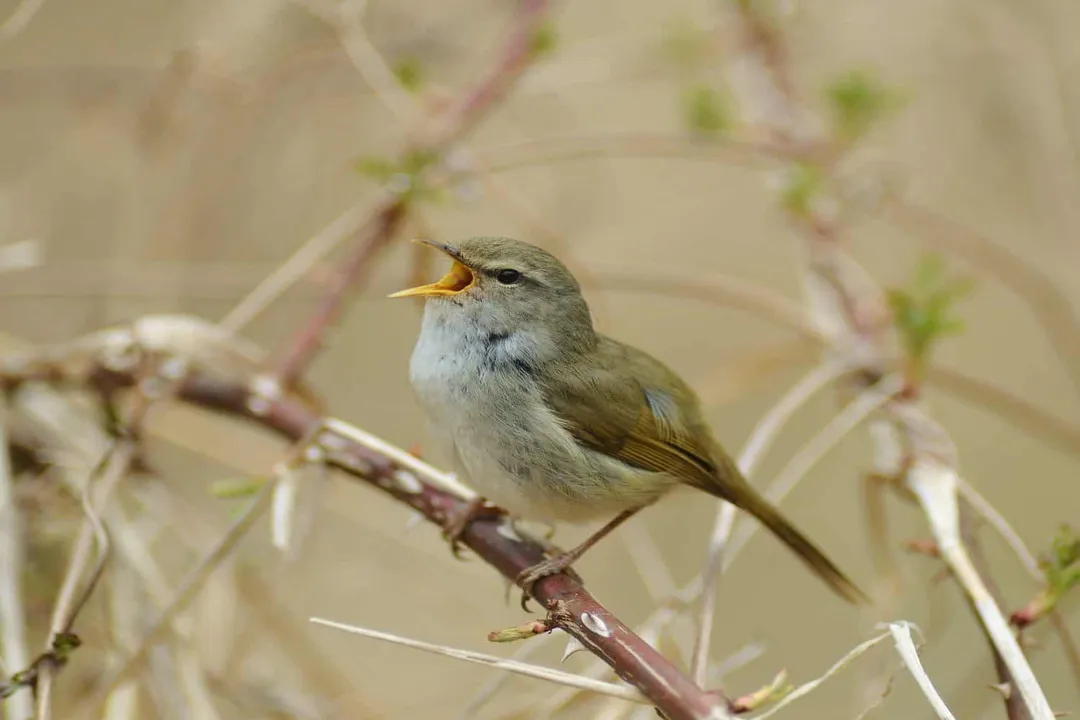
The Japanese Bush Warbler, known in Japan as the Uguisu, is perhaps most famous not for its appearance, which is rather plain, but for its distinctive, often flute-like song that signals the arrival of spring. While its vocalizations capture the attention of many, understanding what sustains this small, brown bird provides a deeper appreciation for its place in the ecosystem, particularly as it transitions between seasons. The diet of the Uguisu is heavily weighted toward animal protein, which is essential for its demanding migratory and breeding cycles.
# Insect Staple
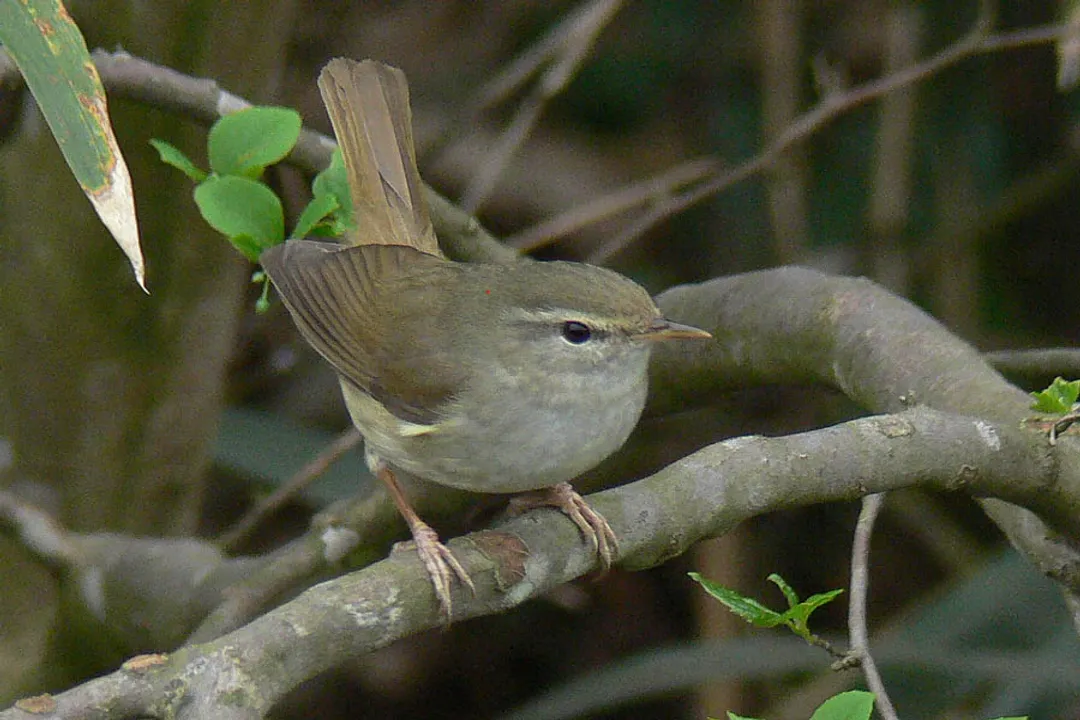
The vast majority of the Japanese Bush Warbler's sustenance comes from invertebrates, making it primarily an insectivore throughout much of the year. This reliance on insects explains why they are often found in dense thickets and scrub, environments rich in the small creatures they pursue. They are adept foragers, constantly moving through the lower canopy and undergrowth to snatch their prey.
When considering the specific menu, the bird's palate is quite broad within the insect class. They readily consume small arthropods, including various spiders. Beyond spiders, their diet features many small flying and crawling insects. Sources often point to consumption of flies, gnats, and the larvae of various insects. The precise mix shifts depending on local availability, but the general theme remains consistent: small, protein-packed invertebrates form the bedrock of their nutrition.
A table summarizing the known primary food components paints a clear picture of their invertebrate focus:
| Food Category | Specific Examples Cited | Primary Role |
|---|---|---|
| Arthropods | Spiders | Year-round sustenance |
| Insects | Flies, Gnats | General foraging |
| Larvae | Various insect stages | High-energy source |
# Seasonal Needs
The intensity and focus of the Uguisu's feeding change significantly based on the time of year, closely aligning with reproduction and migration. During the breeding season, when the males are most vocal, the demand for energy skyrockets, both for courtship displays and for feeding rapidly growing nestlings.
For the young, the diet must be almost exclusively animal protein. Parents feed chicks a diet consisting largely of insects and their soft-bodied larvae. This necessity means that successful breeding depends entirely on the abundance of this high-energy, high-protein food source in the immediate nesting territory. If the local insect population crashes or is insufficient during this critical window, reproductive success is directly jeopardized.
Conversely, outside the immediate breeding phase, such as during migration or the non-breeding winter months, the warbler may exhibit a slight flexibility. While insects remain important, some observations suggest a greater inclusion of plant material, such as small berries or fruit pulp, when insects become scarce, especially in colder climates. This dietary flexibility allows them to survive periods when their preferred food is less available, though the emphasis remains on acquiring sufficient nourishment for movement or overwintering.
# Foraging Style
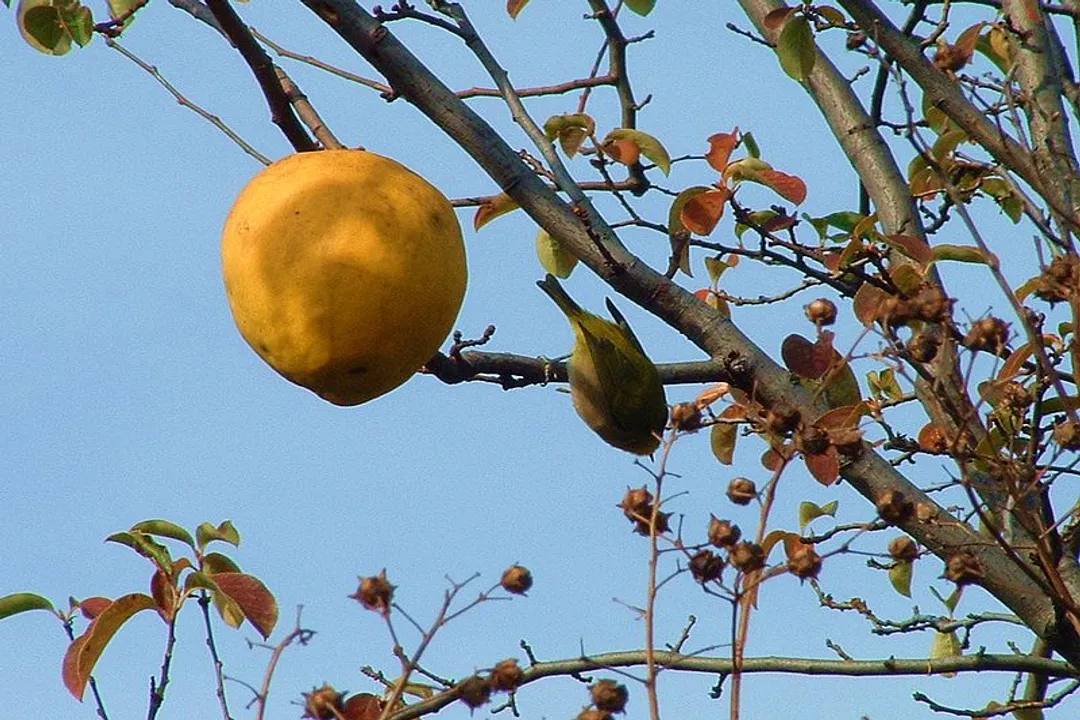
The way the Uguisu hunts is as revealing as what it hunts. They are not typically high-fliers or gleaners from open leaves in the upper canopy like some other warbler species. Instead, they prefer to hunt in the dense undergrowth and lower shrub layers. They move rapidly, often seen flitting between branches and probing moss or foliage for hidden prey.
Their foraging strategy often involves short, quick sallies—darting out to catch an insect disturbed by their movement or directly snatching one off a leaf surface—before retreating back into cover. This method is perfectly suited for exploiting the shaded, protected microclimates of dense bushes where many insects seek refuge. For anyone trying to locate this elusive bird, paying attention to these low-to-mid-level foraging movements in thick vegetation, rather than just listening for the song, offers a better chance of a visual sighting.
# Cultural Diet Contrast
It is fascinating to contrast the warbler's actual, insect-heavy diet with its representation in Japanese culture, particularly around New Year's or the arrival of spring. The Uguisu is culturally linked to special foods, such as Uguisubai (bird dropping cake) or Uguisu-mochi. This mochi confection is often colored pale green to mimic the bird's plumage.
What is striking is the complete divergence between what the bird naturally consumes—small arthropods and spiders—and the sweet, rice-based delicacy associated with its name. This highlights a common pattern in nature-human interaction where a creature’s fame (in this case, its sound) leads to symbolic representation in cuisine, even if the representation has zero basis in the animal's true nutritional requirements. The Uguisu sustains itself on a steady supply of protein necessary for survival, not sugar-coated glutinous rice.
# Habitat Linkage
The constant need for insects shapes the Uguisu's relationship with specific environments. Since the primary goal for the breeding pair is provisioning chicks, the selection of a nesting territory is intrinsically linked to the density of the local invertebrate biomass. A seemingly ideal patch of forest might be passed over if the lower strata lack sufficient spiders or small caterpillars compared to a slightly less picturesque, but insect-rich, scrubland area nearby. Therefore, their migratory decisions and territory establishment are less about the aesthetics of the song perch and more about the accessibility of the feeding grounds immediately surrounding the nest site. This strict resource dependency places them in a vulnerable position should localized insect populations decline due to environmental stress or pesticide use in their breeding grounds.
# Winter Adaptability
When the bird travels south for the winter, the availability of flying insects drops precipitously. While some sources suggest a small shift toward plant matter like berries, the primary strategy must be resource conservation and opportunistic feeding. If they remain in areas where temperatures remain mild enough to sustain some insect activity, they will continue to target those small arthropods whenever possible. In colder zones where open ground foraging is impossible, plant resources become the fallback, providing necessary carbohydrates and fats to maintain body temperature until spring migration triggers the renewed search for protein-rich prey. Understanding this seasonal dietary flip—from strict insectivore in summer to opportunist in winter—shows a survival mechanism common to many temperate zone insectivores that choose to remain rather than undertake long migrations.
Related Questions
#Citations
Japanese bush warbler - Facts, Diet, Habitat & Pictures on Animalia ...
Uguisu Bird Facts - Horornis diphone - A-Z Animals
Japanese Bush Warbler - BirdForum Opus
Uguisu Facts & Photos | Wowzerful
Animal Spotlight: Uguisu - Animal Almanac - WordPress.com
Japanese bush-warbler - Birds of the World
Japanese bush warbler - A species endemic to Japan, inhabiting ...
Eating Uguisu Mochi (鶯餅) in Anticipation of Japan`s Most Famous ...
[PDF] JAPANESE BUSH-WARBLER Cettia diphone - Bishop Museum