What kind of bird is blue and grey?

The quest to identify a bird that presents a visual duality—a blend of blue and grey—often leads to some of the most fascinating and subtle creatures in the avian world. This combination of colors is not always advertised in a species’ name, yet it frequently characterizes the subtle brilliance of many North American and global species. Understanding which birds fall into this category requires looking closely at plumage variations between sexes, age classes, and even the quality of the light at the moment of observation.
# Structural Blues
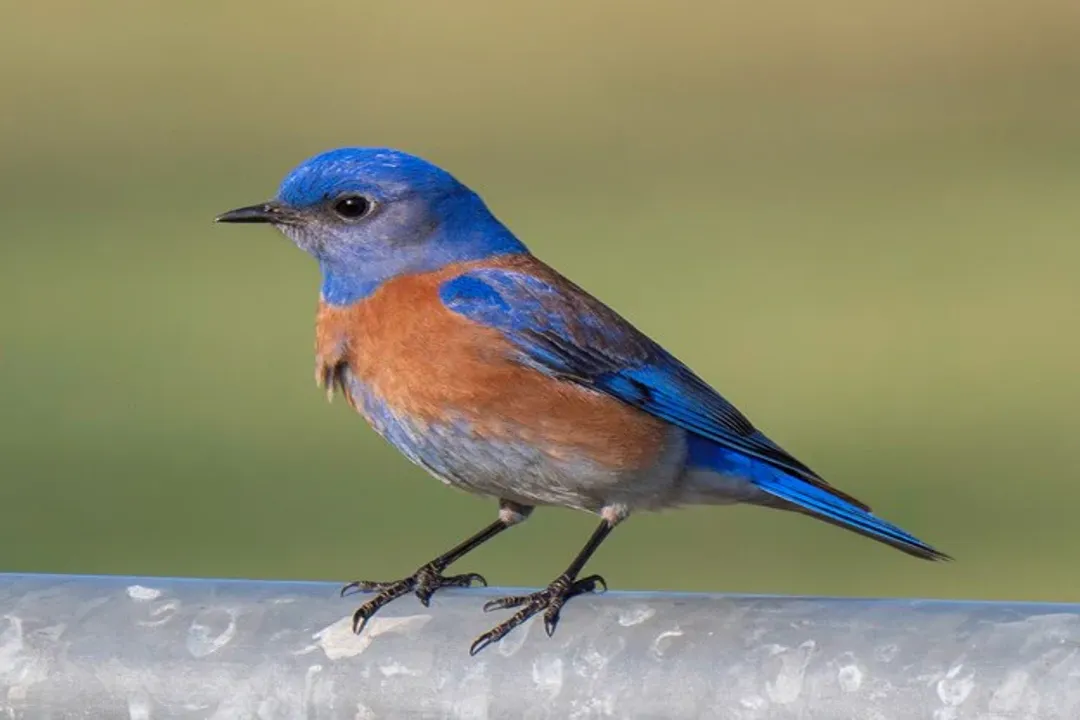
Before diving into specific species, it is worth noting how these birds achieve their blue color, as it is a fundamental difference from how they acquire yellows, reds, or browns. Unlike colors derived from pigments absorbed through diet or metabolism, the blue seen in many bird feathers is a structural color. This phenomenon occurs when visible light interacts with microscopic nanostructures within the feather’s keratin protein—structures often similar in size to the blue wavelength of light, causing that specific light to be reflected back to our eyes. This mechanism explains why a blue bird might appear markedly greyer on a cloudy day, as the physics of light scattering are less intense, making the structural reflection fainter.
# Named for the Mix
A few birds carry the distinct combination right in their title, immediately pointing the observer toward the blue-and-grey spectrum.
# Blue-gray Gnatcatcher
The Blue-gray Gnatcatcher (Polioptila caerulea) is a classic example of this coloring. Described as truly blue-gray on its upperparts, it contrasts with clean white underparts. A key identifying feature is its remarkably long black tail, which is edged in white. In the eastern U.S., this bird is relatively easy to identify because it is the only gnatcatcher species found there. In breeding season, adult males exhibit a distinctive dark line over the eyes and across the forehead, a feature that is absent in the plainer females. Juveniles lean towards a greenish-gray tone. These energetic woodland sprites are known for their hyperactivity, often twitching their long tails side-to-side as they move about pursuing tiny insect prey. They are common summer residents and migrants in areas like St. Louis, frequently found in forested areas during the nesting season. Their nests are delicate, turret-shaped structures adorned externally with gray lichen and attached to branches using strands of spider web.
# Blue-grey Tanager
Another species explicitly matching the description is the Blue-grey Tanager (Thraupis episcopus), a bird found across Mexico, Central, and South America. Its coloration involves a clear transition: the head and chest show gray or light blue, which deepens into bright blue along the wings and tail feathers. Weighing just about an ounce, these small tropical birds possess a short, thin, bluish-gray bill. They prefer high perches in semi-open areas and are noted for being active and somewhat aggressive toward other species. Both parents participate in building deep, cup-shaped nests, often high off the ground, and they have been known to modify or even take over nests built by other birds.
# North American Spectrum Shifts

In many North American species, the blue and grey are split between the sexes or vary by region, requiring closer inspection.
# The Bluebird Cousins
The Sialia genus, which includes the bluebirds, frequently features this color scheme, particularly when comparing males to females or juvenile plumages.
The Eastern Bluebird (Sialia sialis) male is famously bright bluish above, contrasting with an orange throat and chest. However, the female is more subdued, described as being grayish on the upper side, though her wings and tail retain blue coloration, complementing her white belly and orange chest patches.
Moving west, the Western Bluebird (Sialia mexicana) also displays this sexual dichromatism. Males feature a dark blue head, back, wings, and tail, but their chest and flanks are dark orange, and their bellies are grey. Again, the female is generally darker gray above, but the blue shows in her wings and tail, accompanying an orange chest and a grey belly.
The Mountain Bluebird (Sialia currucoides) presents the male as a stunning, electric blue with a white belly and darker wing/tail tips. The female, however, perfectly fits the description—she is primarily grey-brown with blue showing on the wings and tail, and sometimes has a rufous tint on the chest. These birds inhabit open environments like meadows and grasslands in western North America.
# Jays and Buntings
Several members of the jay family and the bunting group also exhibit this combination, often with grey being the neutral background color to the vibrant blue.
The Blue Jay (Cyanocitta cristata) is well-known for its bright blue upperparts, but its underparts are often described as greyish-white. They feature a prominent crest, a distinctive black necklace, and white barring on the wings and tail. They inhabit woodlands and suburban areas across eastern and central North America.
The Florida Scrub Jay (Aphelocoma coerulescens) is unique as the only bird endemic to Florida’s specific scrub habitat. It presents a blue head, wings, and tail, set against a grey back and a grey belly, with a whitish forehead and throat ringed by a blue-grey bib.
For the buntings, the Blue Grosbeak (Passerina caerulea) male is deep blue, but his non-breeding plumage is a mix of blue and brown, and the female is light brown overall, though she shows a bluish back and buffy wing bars. Similarly, the Lazuli Bunting male’s bright blue chest contrasts with a white belly and a back mottled with brown and blue in non-breeding phase, while the female is largely greyish-brown above with blue tinges on the wings and tail.
# Grey-Toned Relatives
Some birds that might be described by a casual observer as "greyish-blue" are not formally named for the blend but carry subtle hints of both hues. For instance, a user posting in an online identification forum seeking a "little greyish blue bird" in Central Florida, which had a "little mohawk," was identified as a Tufted Titmouse. While primarily grey and white, its color perception can certainly shift depending on the angle of the light hitting its subtle blue-tinged feathers, especially in lower light conditions.
Another example of a subtle blend appears in the Blue Rock Thrush (Monticola solitarius). While the males are a deep, uniform blue, the females adopt a more muted appearance, described as brownish-gray coloration accented with distinct bluish tones.
# Practical Field Observation Tips
Distinguishing between a bird that is truly blue-gray and one that is merely grey in poor light requires a bit of technique. When light is low, the structural blue fades, and the underlying grey keratin structure becomes more dominant in our perception. A helpful tip when trying to confirm the presence of blue in a seemingly grey bird is to observe its tail feathers or wing edges in the best light available. For example, the Blue-gray Gnatcatcher’s long black tail is edged in white, which provides a high-contrast clue that helps isolate the main body color, even if the light is dim. Similarly, even in the greyish female bluebirds, the wings and tail often retain that undeniable blue pigment structure.
If you are interested in increasing your chances of seeing these subtly colored birds, consider the preferred habitats. Birds like the Blue-gray Tanager often feed high up in the canopy, whereas the Blue-gray Gnatcatcher favors humid areas with large leaves where it can glean insects from foliage. Conversely, the Florida Scrub Jay is tied specifically to the low oak scrub habitat endemic to Florida, making its location highly predictable based on geography. For birds like the Blue Rock Thrush, looking near human habitation and old structures increases sighting opportunities, as they favor cliffs and ruins.
This duality of blue and grey in bird plumage reminds us that ornithology involves both artistry and physics. Whether it is the genetically set blueprint of a Blue-gray Tanager or the result of light playing across the nanostructures of a Blue Jay feather, the subtle combination offers a unique challenge and reward for any bird enthusiast. Pay attention to the light, and you might just confirm the presence of that perfect blue-grey specimen you were hoping to spot.
Related Questions
#Citations
20 Photos of Breathtaking Blue Colored Birds - Birds and Blooms
Little greyish blue bird trying to find out what it is : r/whatsthisbird
Blue-gray gnatcatcher - Wikipedia
22 Beautiful Blue Colored Birds: A Symphony In Blue - Birdfy
11 Types of Blue Birds of North America (With Pictures) - Avibirds.com
Bird of the Week- Blue-gray Gnatcatcher - St. Louis Audubon Society
Blue-grey Tanager | Lincoln Park Zoo