Compared to adults, which SLF life stage might be more readily accepted by foragers?
Answer
Nymphs, as they do not display the full adult coloration.
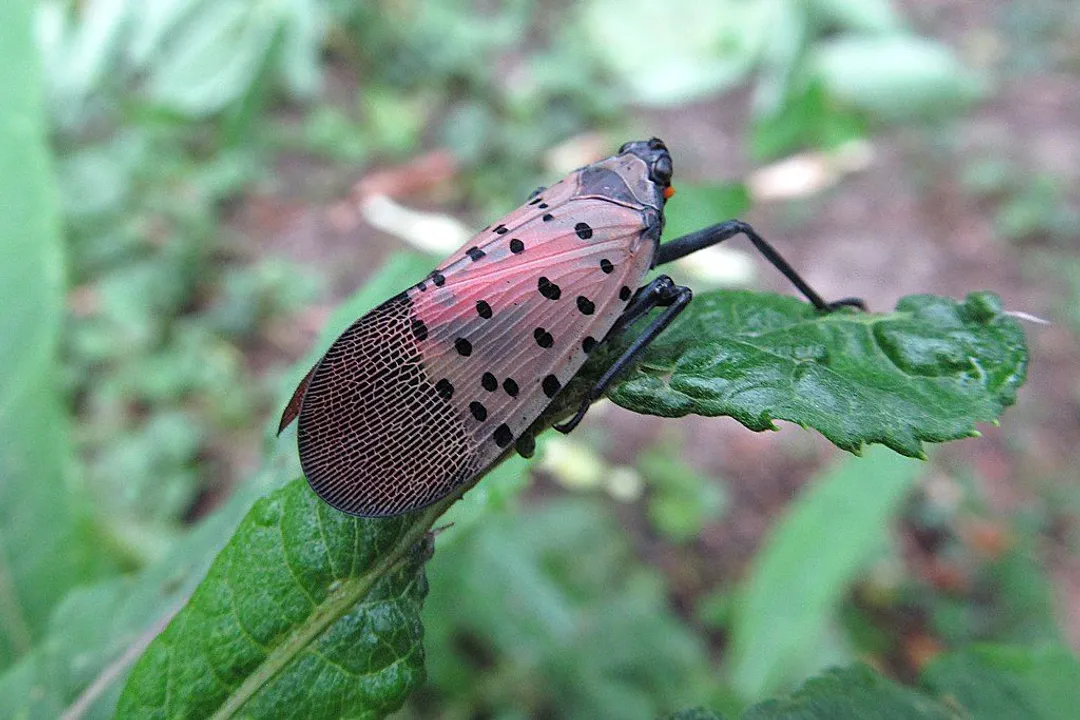
The risk assessment for avian predators appears to change depending on the spotted lanternfly's developmental stage. While adults possess the distinctive, fully developed warning coloration (aposematism), nymphs, particularly earlier stages, do not yet display this strong visual signal. Because the aposematic warning is less prominent or absent in nymphs, inexperienced birds or those that are highly motivated foragers might be more inclined to sample or accept them before learning the negative association linked to the adult appearance.
Related Questions
Why are slow-moving, brightly colored spotted lanternflies not devoured by every bird?Which specific bird species is confirmed in reports as occasionally consuming SLF?What function does the bright coloration of the spotted lanternfly often serve?What ecological context can reduce a Blue Jay's incentive to risk eating SLF?Compared to adults, which SLF life stage might be more readily accepted by foragers?Which university research suggested avian avoidance of SLF due to a toxic shield?What is the consequence of a single unpleasant encounter with SLF for a foraging bird?What happens to predation rates across a local bird population due to rapid learned avoidance?What management approach bypasses the biological uncertainty of avian predation on SLF?What is the long-term habitat management consideration to potentially increase opportunistic SLF feeding by predators?