What does a spotted skunk eat?
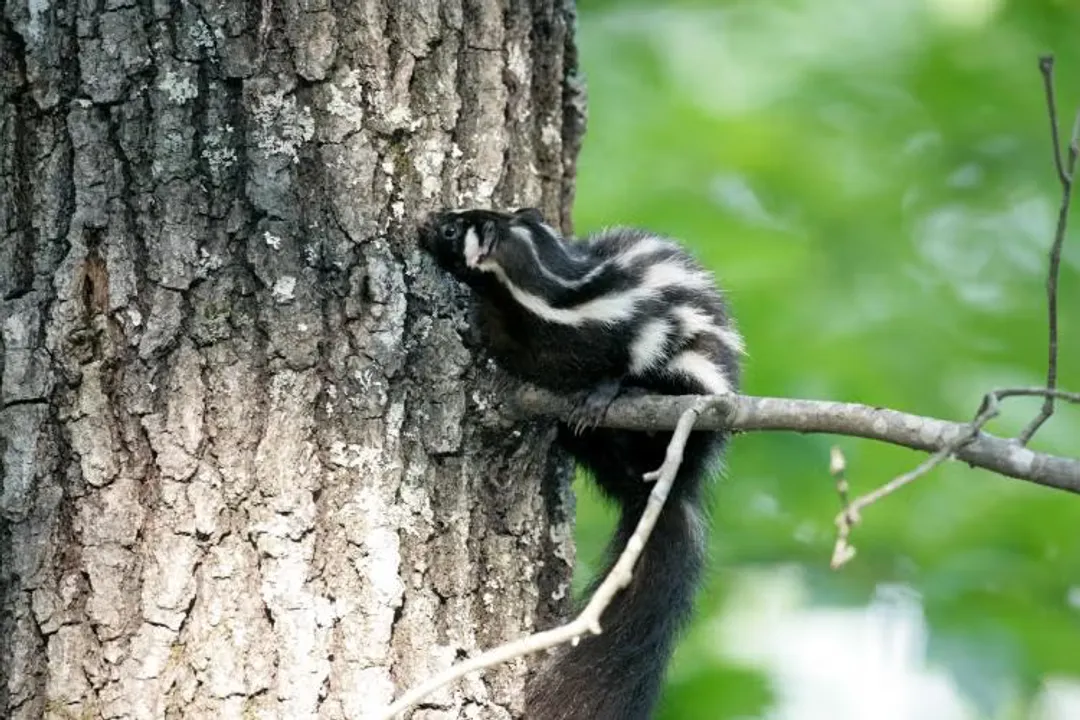
The spotted skunk, a smaller and often more secretive relative of the familiar striped skunk, maintains a highly opportunistic diet that shifts based on season and local availability across its varied North American range. [1][5][6] This mammal is classified as an omnivore, yet its preferences lean heavily toward animal protein when it can be secured, making it a frequent visitor to fields, meadows, and woodland edges where sustenance is abundant. [2][3] Their feeding habits reflect a constant search for energy-rich meals, moving fluidly between consuming tiny invertebrates and scavenging available plant resources. [9]
# Insect Diet
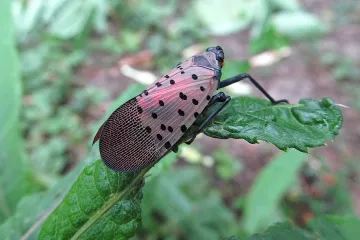
The foundation of the spotted skunk's daily caloric intake is often built upon insects and other small arthropods. [1][2] They actively hunt for prey both on the ground and by digging, targeting a wide variety of invertebrates. [5][6]
Key invertebrate food sources include:
- Beetles Beetles, often found under logs or debris, are a significant component of their summer diet. [3][6]
- Grasshoppers and Crickets These plentiful insects are common targets when they are active in grassy areas. [2][6][9]
- Larvae Skunks will dig for beetle larvae and other grub forms residing just beneath the soil surface. [5]
- Ants and Moths Observations confirm that ants and moths also make up portions of their meals. [1][3]
A comparison of feeding habits across different subspecies, such as the Eastern spotted skunk versus the Plains spotted skunk, shows a consistent preference for these high-protein insect items when available. [2][9] The sheer volume of insects consumed helps support the skunk's relatively high metabolism, which is necessary for maintaining body temperature, especially in cooler climates like those found in Minnesota or Washington state. [3][6]
# Small Vertebrates
While insects are plentiful, spotted skunks are also accomplished predators of small vertebrates, which provide a denser source of nutrition. [1] Their size allows them to ambush or capture creatures that might be too swift or well-hidden for a less agile predator. [5]
Their carnivorous activities extend to:
- Rodents Mice and shrews are frequent prey items, typically captured in their runways or near dens. [1][3][9] Moles are also sometimes taken. [2]
- Birds and Eggs Ground-nesting birds or fledglings can fall victim to a hunting spotted skunk, as can eggs found in nests. [6][9]
- Reptiles and Amphibians Snakes, lizards, and frogs are occasionally added to the menu, particularly when moisture encourages amphibian activity. [1][5]
The Eastern spotted skunk, for instance, is noted for consuming these smaller animals, reinforcing its role as a predator in its ecosystem. [2][10] In areas where their range overlaps with larger predators, the spotted skunk may focus more intently on prey that is simply too small or difficult for larger carnivores to efficiently hunt.
# Plant Contributions
Despite their carnivorous inclination, spotted skunks are flexible feeders, readily incorporating plant matter into their diet when animal prey becomes scarce or when seasonal fruits become available. [1][5] This dietary adaptability is crucial for surviving periods of scarcity, such as winter. [1]
Plant foods commonly documented include:
- Berries and Fruits They consume various wild berries and fruits when they ripen during warmer months. [2][6][9]
- Grains and Seeds Certain grains and seeds found in agricultural areas or natural settings are also eaten. [1][9]
- Roots In some instances, they may dig for roots, similar to how they search for insect larvae. [5]
It is important to note that while plant matter supplements the diet, it usually forms a smaller proportion of their overall intake compared to insects and small mammals. [1][6] The balance between animal and plant matter in their stomach contents often reveals the immediate environmental conditions—a high insect load means less reliance on perhaps less digestible plant matter. [3]
# Foraging Behavior
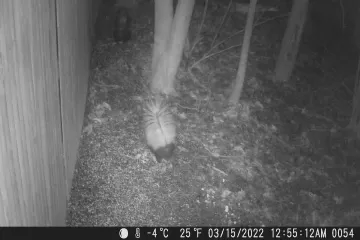
Spotted skunks are primarily nocturnal foragers, using the cover of darkness to hunt and avoid larger predators. [1][4] Their active searching involves investigation of various microhabitats; they are not strictly ground-dwellers but will climb for food when necessary. [5] They have been observed rooting around in leaf litter, investigating crevices, and moving through dense grasses where insects congregate. [2][6] Unlike some solitary carnivores, their hunting strategy seems to involve thorough exploration of an area until an adequate meal is found. [1]
When considering the dietary flexibility across the species—from the Western spotted skunk in California to the Eastern subspecies—one interesting behavioral pattern emerges. The need to secure sufficient fat reserves is apparent in their feeding throughout the fall. This preparation often means a higher intake of energy-dense items like insects or small rodents right before hibernation or periods of reduced activity, a pattern common to many small North American mammals facing fluctuating temperatures. [1][5][6]
# Ecological Impact
The diet of the spotted skunk places it squarely as a beneficial factor in local ecosystems, acting as a natural form of pest control. [2][4] By consuming large numbers of grasshoppers, agricultural pests like certain beetles, and small rodents, they help regulate populations of both insects and small herbivores. [3][9]
An interesting point arises when contrasting their role with that of larger omnivores. Because spotted skunks are smaller than their striped cousins, their impact might be more focused on the smallest end of the prey spectrum. For example, a spotted skunk might efficiently clear an area of numerous small spiders or tiny larval insects that a larger predator might ignore as too insignificant to bother pursuing, creating a subtle, fine-tuned control over the insect base of the food web. [1][3]
Furthermore, their consumption of carrion, though infrequent, contributes to ecosystem cleanup. [9] While they are equipped with powerful spray capabilities for defense, they primarily rely on stealth and speed for survival, which in turn allows them to access prey without alerting larger animals that might compete for the same resources. [10] Their reliance on varied sources ensures that if one food type declines, they can often pivot to another, offering resilience to localized environmental changes that might otherwise decimate a more specialized predator. This generalist approach, sustained by a diet that mixes invertebrates, small vertebrates, and plant materials, is a key trait for survival across the diverse habitats they occupy. [1][5][6]
Related Questions
#Citations
Spotted skunk - Wikipedia
Eastern Spotted Skunk - | Outdoor Alabama
Spotted Skunk (Spilogale putorius) - Minnesota Mammals
Spotted Skunk - Freeport, FL
[PDF] Life history account for Western Spotted Skunk
Western spotted skunk | Washington Department of Fish & Wildlife
[PDF] Eastern Spotted Skunk - NC Wildlife
Spilogale putorius : Eastern Spotted Skunk | Rare Species Guide
Plains Spotted Skunk - Missouri Department of Conservation
Eastern spotted skunk | FWS.gov - U.S. Fish and Wildlife Service