Which three high-latitude geographic regions host the primary breeding grounds for the Sabine’s Gull?
Answer
The high Arctic regions of North America, Greenland, and Siberia
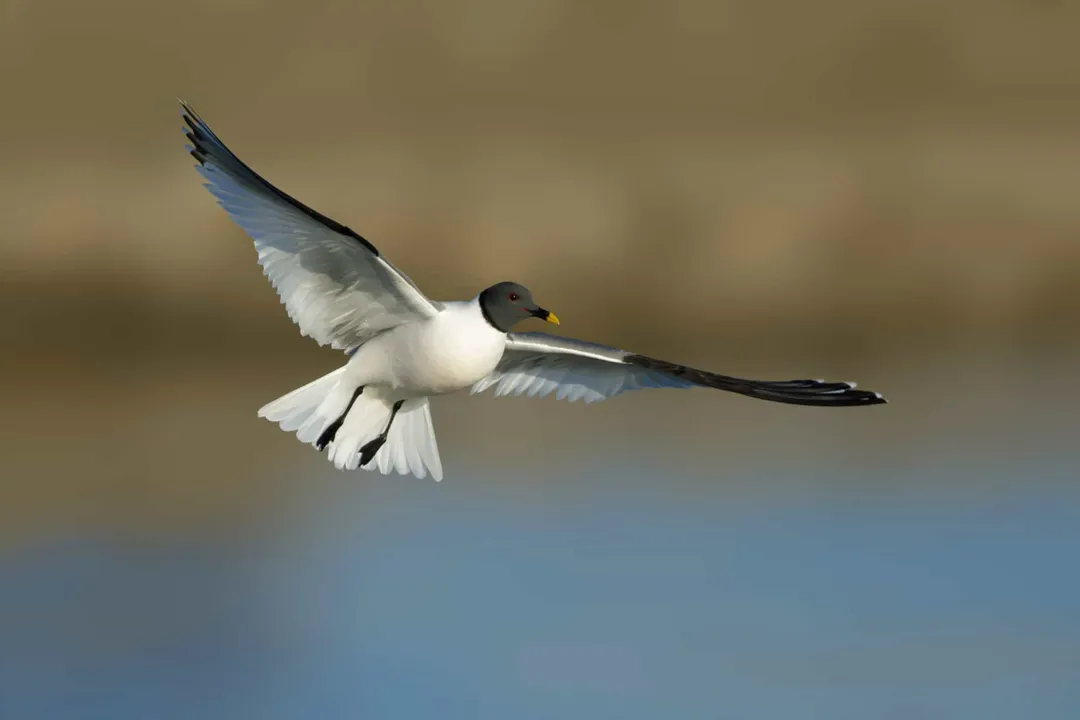
The Sabine’s Gull is strongly tied to extreme high-latitude environments for its demanding reproductive cycle. The species establishes its primary breeding grounds, or summer nurseries, within the remote Arctic tundra. The specific geographic scope for nesting encompasses the northernmost areas of North America, the entirety of Greenland, and the northern reaches of Siberia. This requirement forces observers hoping to see them breed to undertake significant travel to these sparsely populated, harsh northern latitudes during the brief summer months.
#Videos
Xeme Facts: Sabine's Gull (Xema) 𓅰 Animal Fact Files - YouTube
Related Questions
What specific micro-habitat do Sabine’s Gulls favor when constructing nests on the Arctic tundra?What is the typical timeframe identified as the prime viewing window for observing the main wave of southbound migration along North American coasts?Where does the majority of the Sabine’s Gull population establish its wintering range after the northern migration cycle?Besides the neat black cap, what combination of colors describes the back and underparts of the Sabine’s Gull?What is the fundamental difference in habitat preference between the transit phase and the breeding phase for this species?Which inland state is specifically cited as an example where an occasional stray Sabine’s Gull sighting is noteworthy enough for documentation?What feature distinguishes the winter plumage of the Sabine’s Gull when compared to its breeding plumage?How do Atlantic and Eastern Pacific breeders generally navigate during their southbound oceanic transit?What logistical commitment is typically required to observe the Sabine’s Gull during its wintering period in the tropics?Which three high-latitude geographic regions host the primary breeding grounds for the Sabine’s Gull?