What is the fundamental difference in habitat preference between the transit phase and the breeding phase for this species?
During breeding, they are terrestrial near freshwater edges; during transit, they become almost exclusively marine, near the coast.
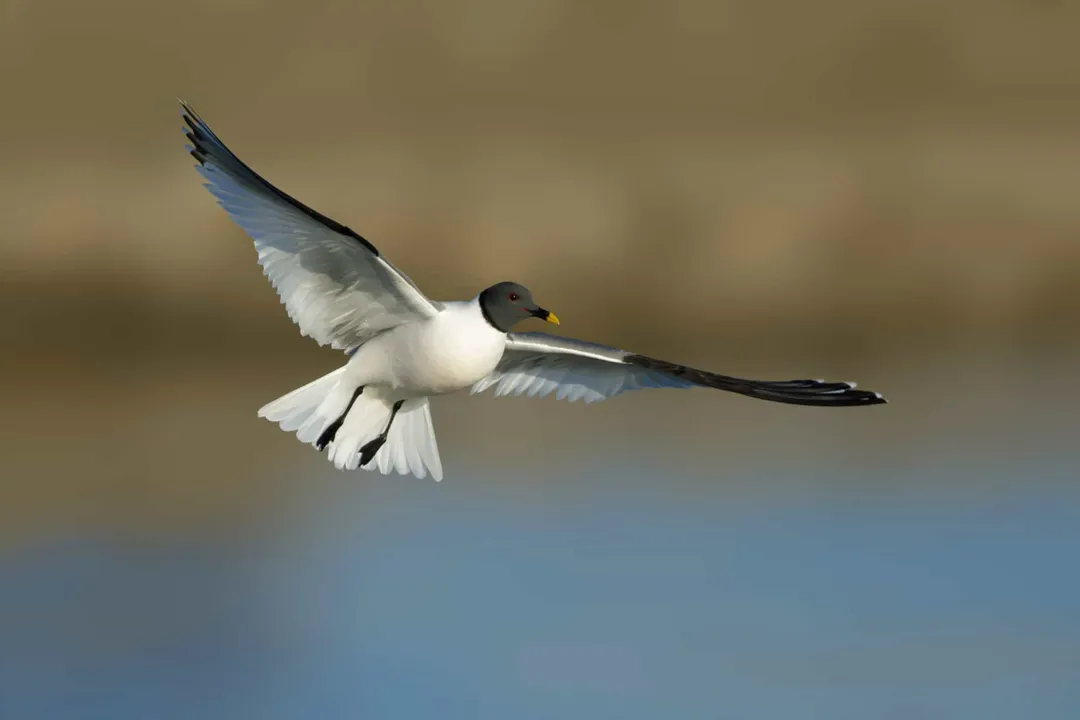
There is a pronounced contrast in where the Sabine’s Gull spends its time depending on the season. When the birds are utilizing the Arctic tundra for reproduction, they are terrestrial, constructing nests on the ground often near freshwater sources like ponds or lakes. However, once the young fledge and migration begins, their behavior shifts drastically. During transit, they become almost entirely marine, rarely venturing far from the immediate coast or adjacent offshore waters. This shift allows coastal observers to see them from accessible viewpoints like jetties, which is impossible during the remote nesting period.
#Videos
Xeme Facts: Sabine's Gull (Xema) 𓅰 Animal Fact Files - YouTube