Which anatomical feature allows the Lundehund to scout effectively in narrow crevices?
Answer
The hyper-flexibility of the spine and neck
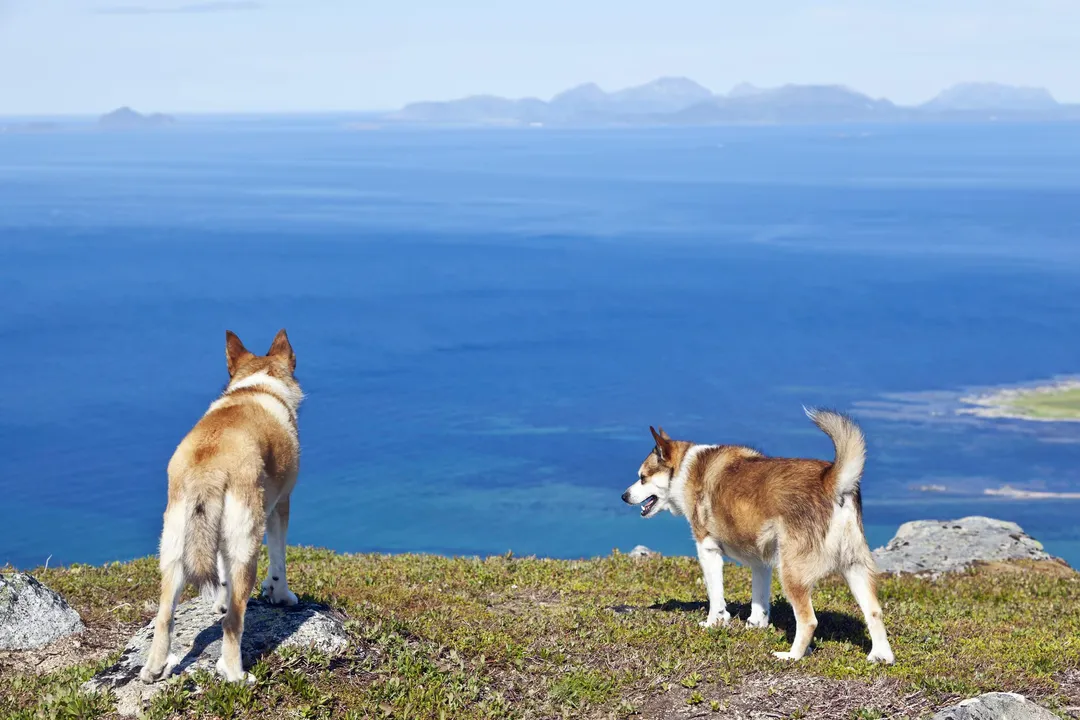
The extreme pliancy found throughout the Lundehund's spine and neck is crucial for maneuverability in tight environments. This hyper-flexibility, combined with the ability to fold its head backward, allows the dog to twist and arch in seemingly impossible ways. This structural trait enables the dog to scout, or gain visibility, deep into narrow crevices or small nooks on sea cliffs where larger or less flexible animals cannot penetrate to pursue prey.
Related Questions
What was the Norwegian Lundehund primarily focused on hunting on rocky coastlines?What condition results in the Norwegian Lundehund having six fully developed toes?What astonishing feat regarding neck extension can the Lundehund perform?What primary advantage do the six fully developed toes provide the Lundehund?How does the Lundehund protect its sensitive inner ear canal from severe weather?What are the two layers comprising the dense, double coat of the Lundehund?Which anatomical feature allows the Lundehund to scout effectively in narrow crevices?Why should modern pet owners tailor exercise away from high-impact stressors for the Lundehund?What is the term describing the Norwegian Lundehund's characteristic of having extra toes?What is the primary function of the harsher, longer outer coat layer on the Lundehund?