What environmental demand influenced the Norwegian Elkhound’s dense, rugged build?
Answer
Tracking and cornering elk in harsh Nordic climates
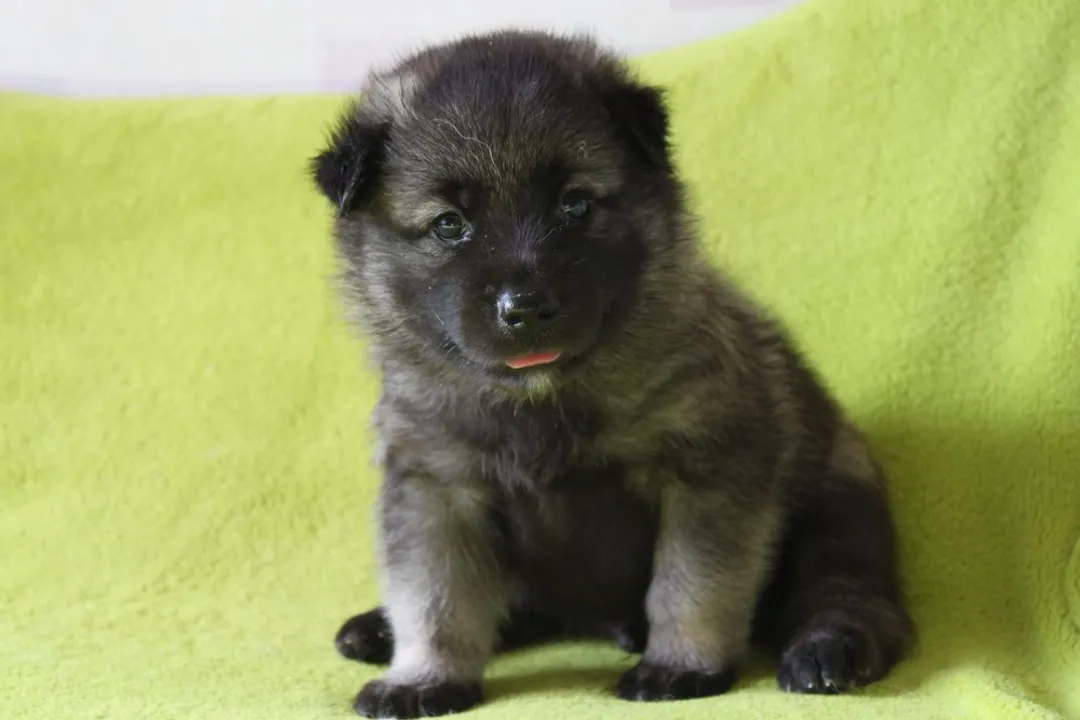
The Norwegian Elkhound's physical conformation is directly linked to its historical purpose: tracking and cornering elk, which are significantly larger than the dog, within severe Nordic environments. To master this task, the breed was developed to be weather-resistant, agile on rough terrain, and possess immense stamina. This resulted in a build characterized by density, power, a deep chest, and potentially shorter legs, prioritizing raw endurance and protection from the cold over sheer vertical height, solidifying its identity as a fundamentally spitz breed designed for survival and pursuit in extreme conditions.
Related Questions
What is the noted weight range for an Elkhound Shepherd mix?What structural difference distinguishes German Shepherd show lines from working lines?What environmental demand influenced the Norwegian Elkhound’s dense, rugged build?Why might a Norwegian Elkhound appear bulkier than a German Shepherd Dog?Which breed is often considered more trainable for a first-time family dog owner?What was the primary historical role for the German Shepherd Dog?What anecdotal evidence suggested a potential longevity difference between the two breeds?How does the German Shepherd's body profile often compare to the Elkhound's appearance?What management characteristic of the Norwegian Elkhound might require a more experienced handler?What management consideration for large dogs is emphasized as a more actionable metric than minor height discrepancies?For which structural characteristic does the Elkhound’s heritage structure speak volumes over sheer vertical reach?