What are the adaptations of the fur seal?
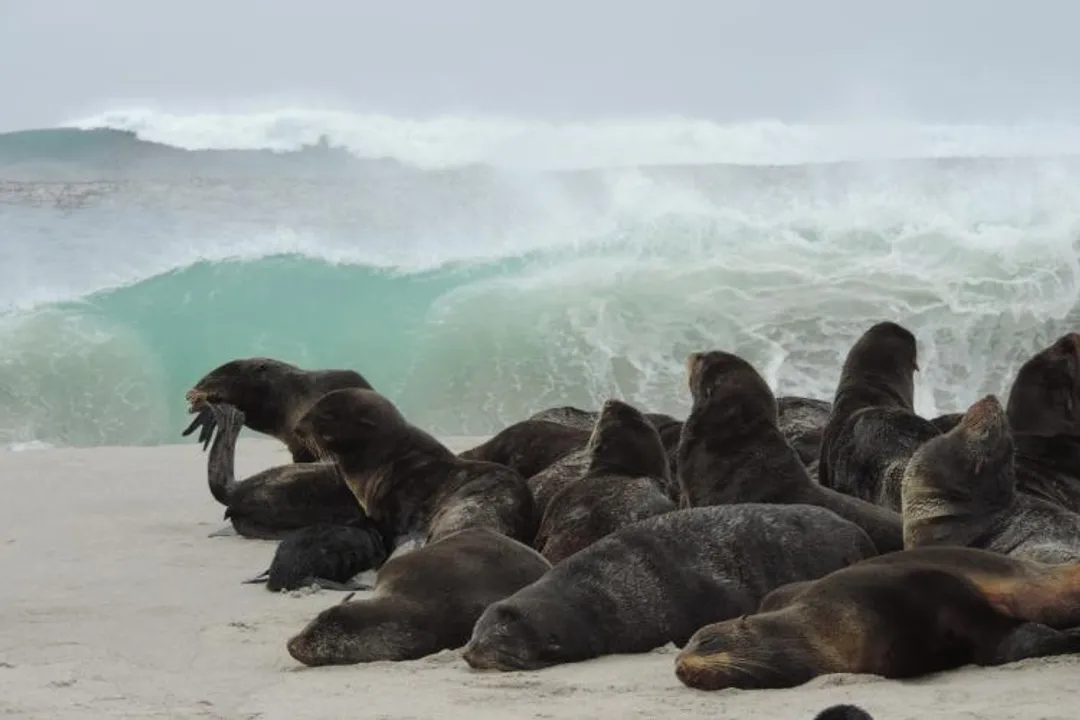
The life of a fur seal is a masterclass in evolutionary engineering, demanding specialized tools to navigate the sharp transition between icy marine environments and rocky shores. As members of the Otariidae, or eared seals, these creatures possess a distinct suite of adaptations that set them apart from their true seal (Phocid) relatives. These features, which include specific physical structures and unique physiological processes, allow them to exploit rich offshore feeding grounds while successfully breeding, resting, and molting on land.
# Eared Otariids
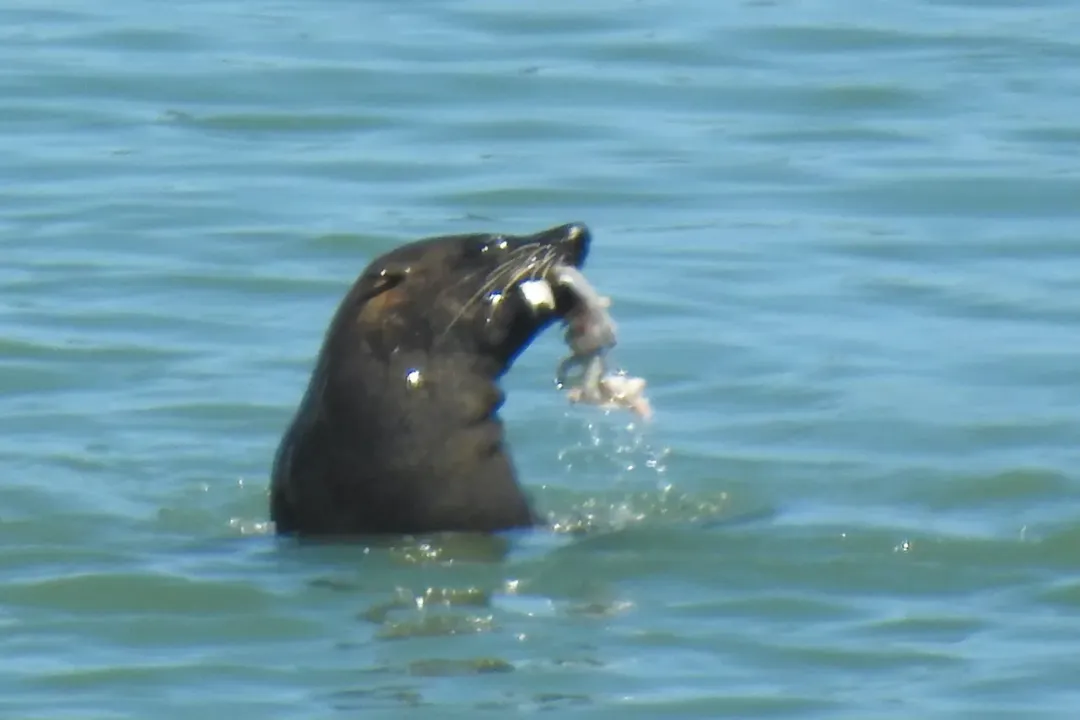
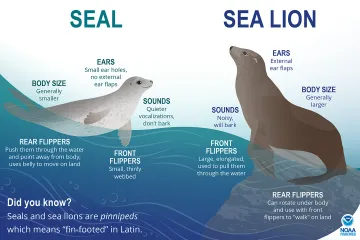
A primary distinction between fur seals and true seals lies in external anatomy, which dictates much of their lifestyle differences. Fur seals, along with sea lions and walruses, are classified as eared seals (Otariids) because they possess visible, external ear flaps. This anatomical difference is coupled with significant variation in limb structure. Fur seals have long, strong front flippers, which they rely on as their main source of propulsion when swimming, effectively using them like powerful oars. Conversely, true seals lack these external flaps and possess shorter front flippers.
For the Antarctic Fur Seal specifically, being the only eared seal in that region highlights how their shared otariid traits—including their reliance on fur for insulation—allow them to inhabit latitudes where blubber-dependent seals are also common.
# Flippers Movement
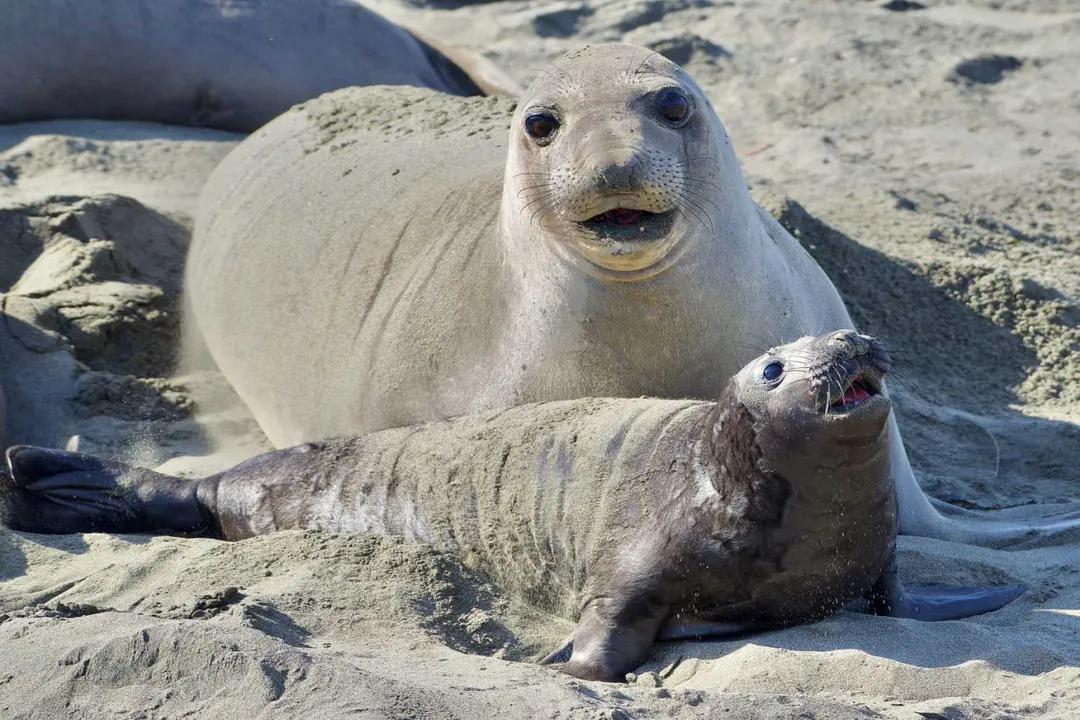
The structure of the flippers fundamentally separates how fur seals interact with water versus land. While true seals must "galumph," flopping along on their bellies in a motion described as caterpillar-like, fur seals have hind flippers that can rotate forward beneath their bodies. This mobility grants them the ability to walk or even run on all fours when hauled out. This terrestrial agility is quite pronounced; Northern Fur Seals, for example, are reported to be able to outrun a human on slippery rocks and manage nearly vertical climbs. This dual-purpose structure, where the fore flippers are optimized for powerful propulsion in water, and the hind flippers allow terrestrial locomotion, means fur seals commit significant physiological investment into maneuvering both environments effectively. This capability likely underpins their extensive use of coastal land for breeding and resting, as they can move across uneven terrain far more efficiently than true seals who are largely confined to resting near the water's edge or relying on the galumphing motion.
# Insulation Defense
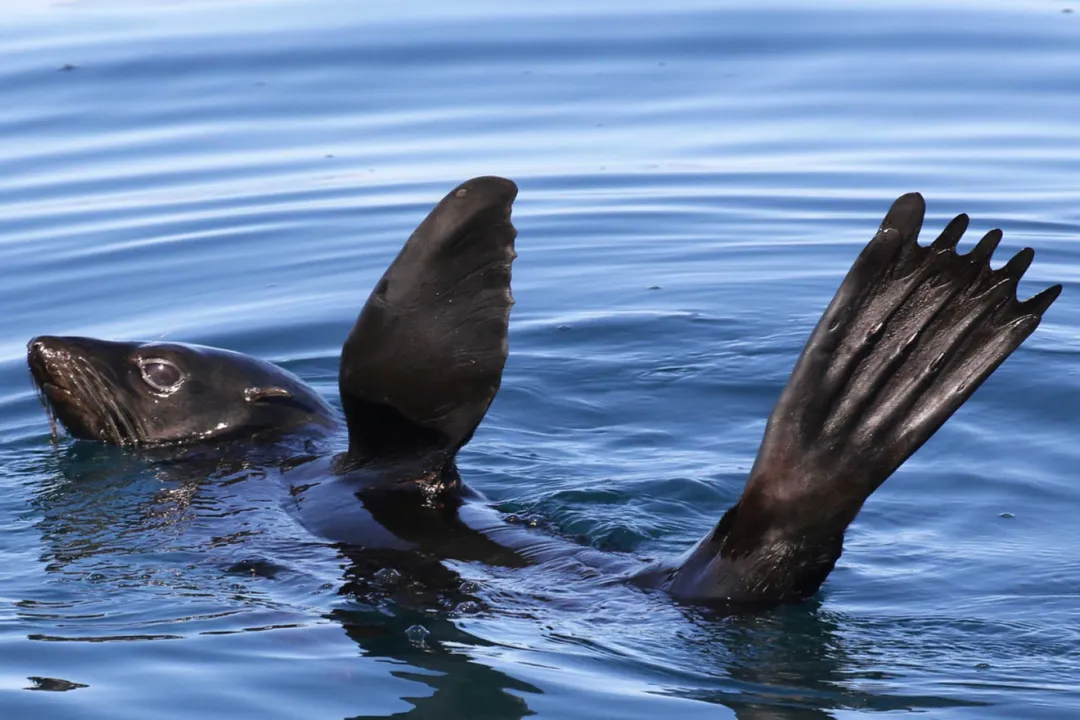
Surviving in cold ocean waters requires superior thermal regulation, and for fur seals, this defense hinges critically on their coat. While many marine mammals rely on blubber, fur is the primary source of insulation for eared seals. The Northern Fur Seal exhibits this adaptation with an extremely dense coat, sometimes cited as having up to 46,500 fibers per square centimeter. This fur consists of two components: an outer layer of coarse guard hairs and a crucial inner layer of soft, insulating fur.
Adaptations extend beyond simply retaining heat; fur seals must also manage overheating when ashore. They employ thermoregulation by manipulating blood flow in their flippers. When resting in the water, fur seals, like sea lions, engage in rafting, floating with their flippers raised above the surface; this allows the blood vessels near the surface of the flippers to release excess heat to the relatively warmer air. On land, where overheating can occur, especially for terrestrial breeders like the Antarctic Fur Seal, they might even use behavioral tricks like flipping cooler, wetter sand onto their backs to facilitate cooling via contact and evaporation. This careful balance of retaining heat in the water and shedding it on land demonstrates sophisticated physiological control necessary for their dual habitat use.
# Diving Physiology
When it comes to descending into the depths to forage, seals have evolved remarkable internal mechanics to manage pressure and oxygen scarcity. A key divergence from terrestrial mammals is evident in their respiratory strategy: seals exhale before a dive, reducing the amount of air in their lungs. This is vital because air is buoyant and lungs are compressed by water pressure during deep dives. Instead of relying heavily on lung air stores, seals utilize their blood and muscles to hoard oxygen.
Their blood volume is large—around 12% of body weight compared to about 7% in humans—and their red blood cells, which carry oxygen via hemoglobin, are larger, allowing seals to store roughly double the oxygen per kilogram of body weight than people can. Furthermore, muscle tissue stores oxygen efficiently due to high concentrations of myoglobin. Physiologically, during a dive, the circulatory system undergoes drastic changes: the heart rate plummets (from around 70 beats per minute down to as low as 7 bpm) to conserve oxygen for critical organs like the brain and retina, while blood flow is shunted away from peripheral tissues. This specialized system enables incredible feats, such as Southern Elephant Seals diving for two hours to depths exceeding 2,000 meters.
# Whiskers Sense
Survival in the ocean is also aided by enhanced sensory perception, especially for locating prey in varying light conditions. Fur seals have sensitive whiskers, known as vibrissae. These structures act as sophisticated detectors, allowing the animal to sense movement in the water surrounding them, effectively scanning the environment for prey items. For Northern Fur Seals, these whiskers undergo a visible maturation process: pups are born with black vibrissae that progressively turn white as they age, resulting in prominent white whiskers on adults.
# Lactation Cycle
Adaptations related to reproduction and raising the young are particularly pronounced in the Northern Fur Seal, showcasing a unique mammalian strategy driven by maternal energy needs. Female fur seals, being terrestrial breeders, must give birth on land but acquire the nutrients for milk production at sea. This necessitates an extremely long nursing period, sometimes spanning 116 to 540 days.
The milk produced is exceptionally energy-dense, containing lipids that can account for up to 85% of the total energy in the diet. This rich milk serves two critical purposes: it helps the growing pup rapidly develop its own vital insulating blubber layer to combat heat loss, and it acts as a powerful energy reserve for the pup during the mother's extended absence.
What makes this cycle particularly unusual is the female’s ability to modulate her mammary gland function. She can transfer this high-energy milk rapidly during short periods ashore while simultaneously keeping milk production active—at less than 20% of the onshore rate—during long foraging trips at sea without triggering the typical mammary gland regression seen in most mammals. This ability to pause and resume full lactation without cell breakdown allows mothers to minimize time away from essential feeding grounds while ensuring the pup receives the necessary fuel for survival and insulation development. This highly specialized, energetically demanding reproductive schedule contrasts sharply with the more conventional patterns of other pinnipeds.
# Foraging Ecology
The success of fur seals in their dynamic environments is also supported by a flexible diet. Northern Fur Seals are classified as generalist or opportunistic foragers, meaning they adapt their menu based on what is most available regionally. Their diet commonly features a mix of midwater fish and squid species. In specific locations, this might mean focusing heavily on fish like Walleye Pollock, or shifting to Pacific salmon, herring, or mackerel depending on whether they are foraging over the continental shelf or in deeper waters. Australian Fur Seals, for instance, consume fish, squid, and octopus. For some species, a behavioral adaptation is nocturnal foraging, taking advantage of prey, such as krill, that rises closer to the surface during the night. This dietary flexibility, adapting to prey availability influenced by oceanographic features like eddies or changing climate patterns, is a necessary adaptation for surviving fluctuating food supplies.
Related Questions
#Citations
Your Visual Guide to Sea Lion and Seal Behavior
Fur seal adaptations to lactation: insights into mammary gland function
Antarctica Seals: species & adaptations to the cold!
Northern Fur Seal | NOAA Fisheries
Northern Fur Seal - Vancouver Aquarium
Amazing Seal Adaptations - National Marine Life Center
Weekly Creature Feature: Do you know what type of seal this is?
10 things you need to know about seals - Two Oceans Aquarium