Why does a Lundehund have extra toes?
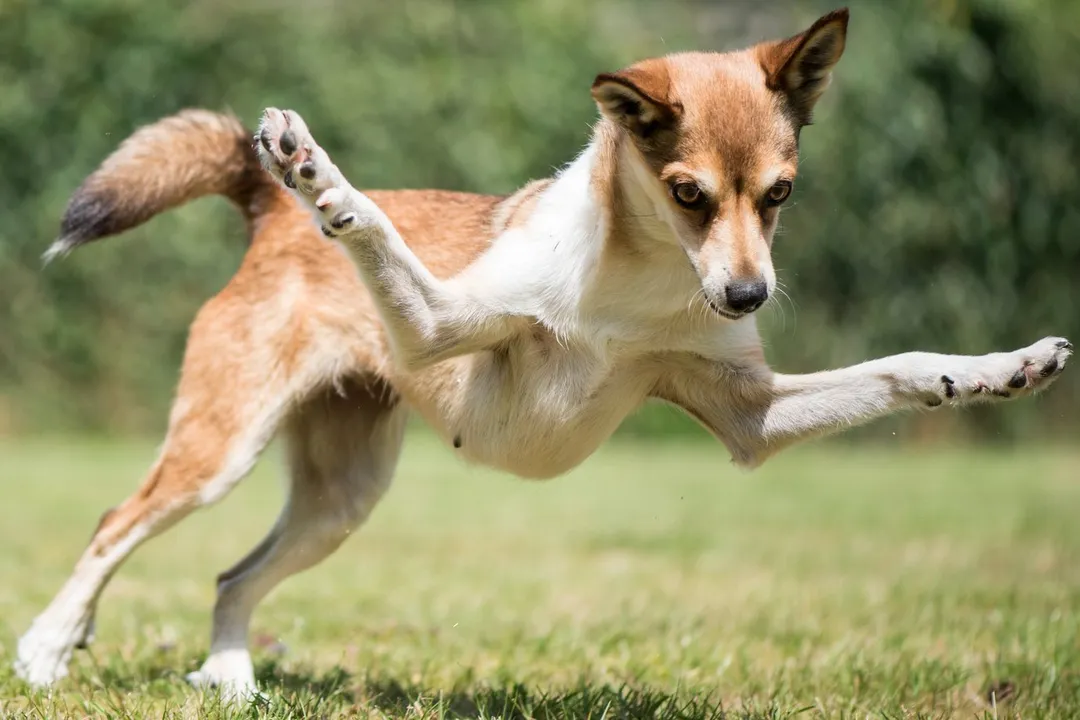
The Norwegian Lundehund is instantly recognizable, not just for its spirited personality or its unique ability to fold its neck backward, but for something far more striking on its paws: extra toes. [1][6] This dog possesses a singular characteristic among its canine peers, a defining anatomical feature that sets it apart in the dog world. Specifically, the Lundehund boasts six fully developed, functional toes on each of its feet. [1][2][3] This variation, known scientifically as polydactyly, is not a modern anomaly or a simple cosmetic oddity; it is a deeply ingrained biological adaptation tied directly to the breed’s rugged history and original purpose in the demanding coastal landscapes of Norway. [8]
# Six Toes
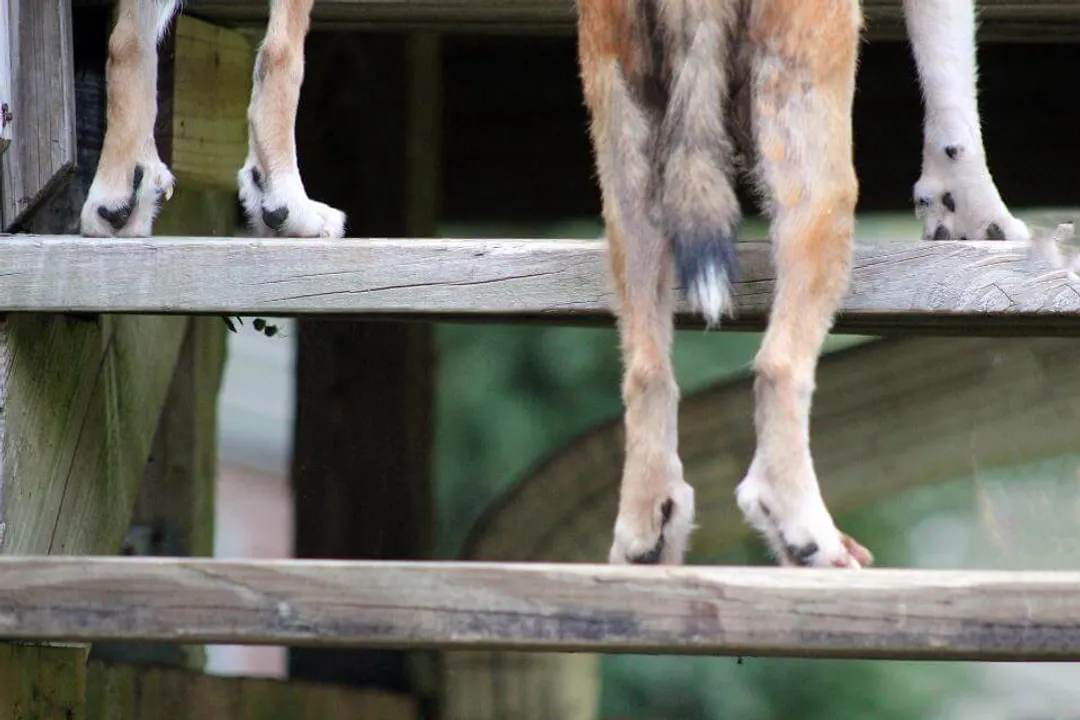
The presence of six digits on every foot is the most distinguishing physical mark of the Norwegian Lundehund, making it the only dog breed known to consistently carry this trait. [3] While other breeds occasionally exhibit extra dewclaws, often without proper articulation or function, the Lundehund’s extra toes are distinct. [7] These are not merely vestigial thumbs clinging to the leg; they are integrated components of the paw structure, contributing directly to locomotion and grip. [1] The breed standard, which dictates the desired characteristics of the purebred dog, explicitly calls for this arrangement, recognizing it as essential to the breed’s identity and utility. [6]
For anyone unfamiliar with the breed, seeing the paws for the first time can be surprising. A typical dog has four toes plus a dewclaw (if present) on the front feet, and four on the hind feet. The Lundehund essentially adds another fully functional toe to this count on both sets of limbs. [2]
When we consider the genetic implications, this consistent feature suggests intense, long-term selective pressure. Unlike random mutations that might appear in a litter, the six-toed trait has been actively maintained across generations, implying that dogs exhibiting this trait were significantly more successful at their work than their four-toed counterparts. [7] This points to a very focused, historical breeding program by the local Norwegian hunters, prioritizing function over uniformity seen in many modern breeds. [8]
# Functional Grip
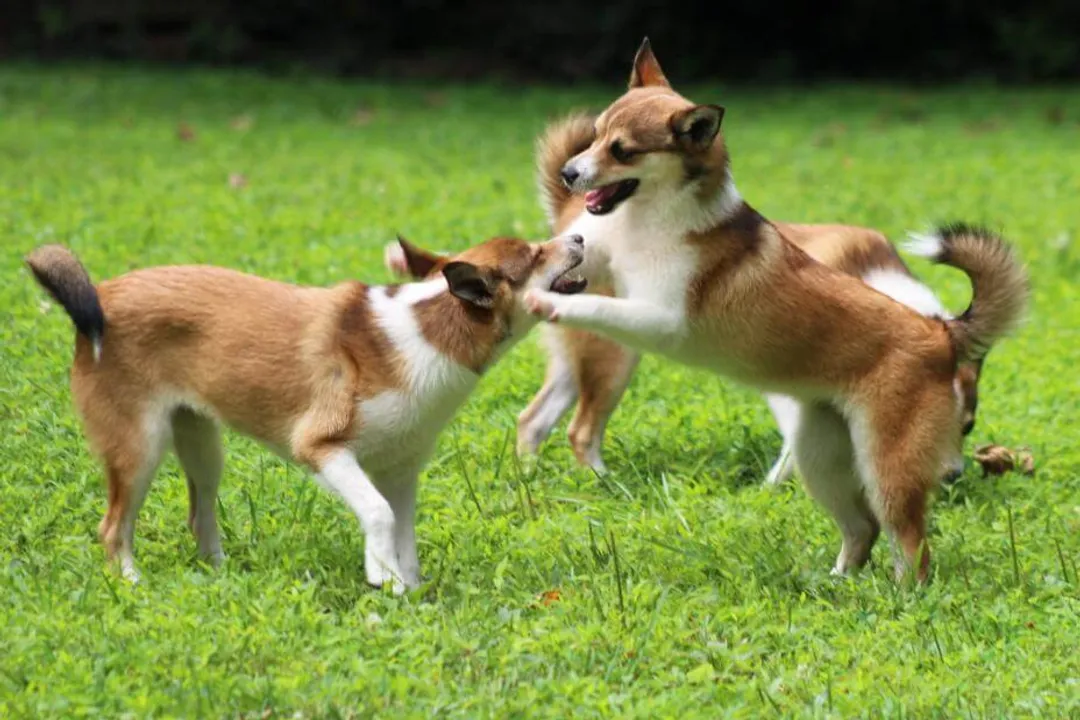
To truly understand why the Lundehund has these extra digits, one must understand what the breed was developed to do. The name "Lundehund" translates roughly to "Puffin Dog," and their original task involved retrieving seabirds, primarily puffins, from tiny, deep crevices among treacherous, slippery coastal cliffs and ice formations. [1][8] Imagine scrambling over wet, sharp granite, navigating narrow ledges where a single slip means a long fall into icy water—this was the Lundehund's office. [8]
The six toes provided the necessary purchase in this unforgiving environment. Each extra toe acted like an independent anchor point, increasing the surface area contact and distributing weight and pressure more effectively. [1] This polydactyly essentially equipped the dog with specialized, high-traction hiking gear built right into its anatomy. They needed supreme flexibility and grip to maneuver vertically and horizontally across rock faces where typical canine paws would simply slide away. [8]
This evolutionary path resulted in a dog whose entire gait and paw structure are unique. The extra toes allow the dog to spread its feet wider than usual, providing stability similar to how a mountaineer spreads their feet on difficult terrain. [1] This level of specialization is fascinating because it contrasts sharply with the development of most other dog breeds, which were bred for endurance running, guarding, or herding—activities where a standard paw configuration suffices. [7] The Lundehund’s job demanded a level of dexterity rarely seen outside of primate anatomy.
It's an interesting point of comparison that while many breeds, like the Great Pyrenees or the Beauceron, carry double dewclaws on their rear legs, those are often structurally different and sometimes removed for safety reasons related to modern living. The Lundehund's six toes, however, are considered integral and must be present and functional for the breed to meet its standard. [6] This illustrates the difference between a vestigial trait that occasionally appears and a crucial, selected adaptation that defines the entire breed's capability. [1]

# Paws Adapt
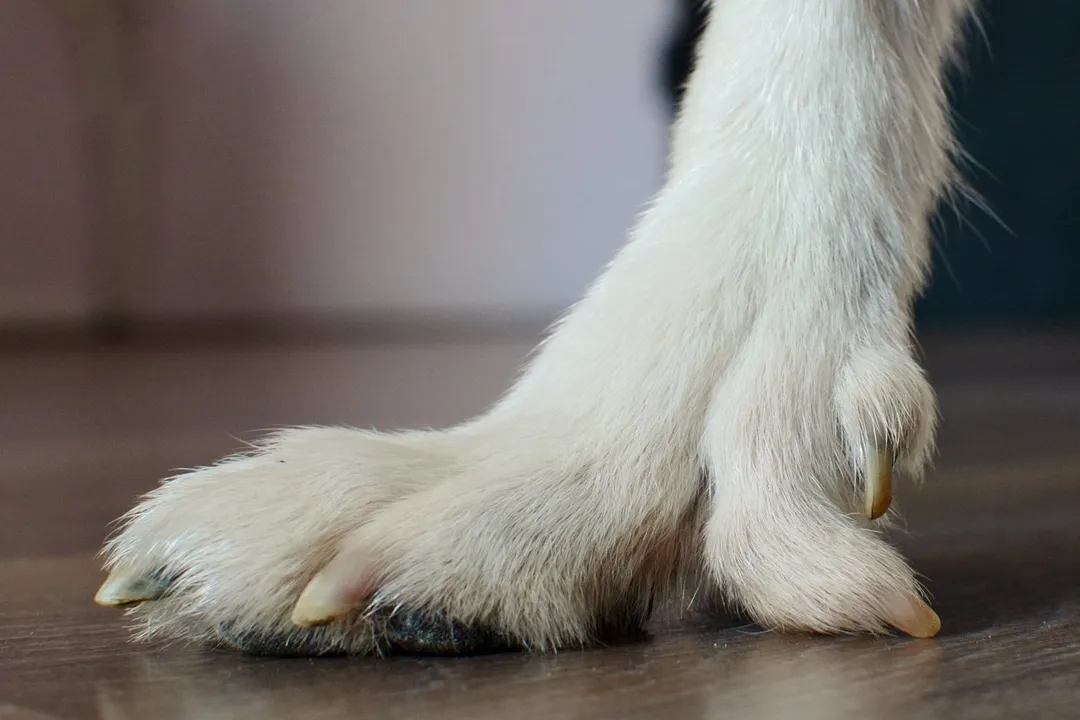
The anatomy of the Lundehund’s foot goes beyond just adding an extra digit. These paws are remarkably flexible. They can turn inward and outward significantly. [1] While this extreme mobility is sometimes described as the dog being able to spread its legs out sideways—almost like a crab—the primary benefit is enhanced foot placement control when climbing or bracing against uneven surfaces. [1] The extra toes contribute to this incredible range of motion.
When observing a Lundehund move on uneven ground, you notice a subtle but significant difference in how they test the footing. A typical dog pushes down; the Lundehund seems to hook its foot into the texture of the surface, using the grip provided by the additional digits to secure itself before committing weight. [4] This specialized movement pattern is not something that can be taught; it is hardwired into their physical structure.
This adaptability also extended to their environment beyond just grip. Their unique paw structure is thought to have aided them in navigating ice and snow, providing better distribution of their relatively light body weight across soft surfaces. [8] While their primary use was rock-hunting, the ability to handle varied, difficult Norwegian terrain meant flexibility in all aspects of their movement was prized by the hunters who relied on them. [1]
# Contemporary Care
For the modern owner whose Lundehund is more likely to navigate suburban sidewalks than Arctic cliffs, the six toes still require attention, though the context has changed. [6] Since these toes are fully functional, they are subject to the same wear and tear as the others. Proper nail care is essential, as overgrown nails on any toe can alter the dog’s natural gait and potentially lead to discomfort or misalignment over time. [6]
A practical consideration for owners is simply keeping track of the nails. If a dog has twelve total nails on the front feet (six per side), plus the hind ones, keeping track of which ones might be growing faster or need specific filing can become a minor administrative task for the owner. While a typical groomer might need a moment to count, recognizing the normal structure prevents unnecessary alarm. [2]
Furthermore, because this trait is the result of specific genetic selection, it’s crucial to recognize that the Lundehund comes with a relatively small gene pool, which can sometimes correlate with breed-specific health considerations. While the extra toes are a strength, owners should remain diligent regarding overall breed health, understanding that such unique specialization often comes with inherent genetic costs that must be managed through responsible ownership and veterinary partnership. [7] The fact that the breed nearly disappeared highlights the vulnerability inherent in such intense specialization. [8]
This unique foot structure, while fascinating, emphasizes the importance of not interfering with the natural state of the dog. Unlike dewclaws that are sometimes surgically removed due to snagging risks in less rugged environments, the Lundehund’s sixth digit is an integral part of its balance and movement, and modification is generally discouraged unless medically necessary by a veterinarian. [6] The dog uses the whole paw assembly for balance, even when simply standing still on flat ground.
#Videos
The incredible (and flexible) Norwegian Lundehund | NBC Sports
Related Questions
#Citations
Norwegian Lundehund - Wikipedia
The Norwegian Lundehund has 6 toes on each foot, double dew ...
Did you know? The Norwegian Lundehund is the only dog that has ...
The incredible (and flexible) Norwegian Lundehund | NBC Sports
CM's Canine fact of the day: #3 | Dog Trick Academy Forum
What to Know About Norwegian Lundehunds - WebMD
What might cause a dog to have 6 toes? - Quora
The Norwegian Lundehund - Showsight Magazine
Lundehund - Vorkosmia