Are Norwegian Elkhounds bigger than German shepherds?
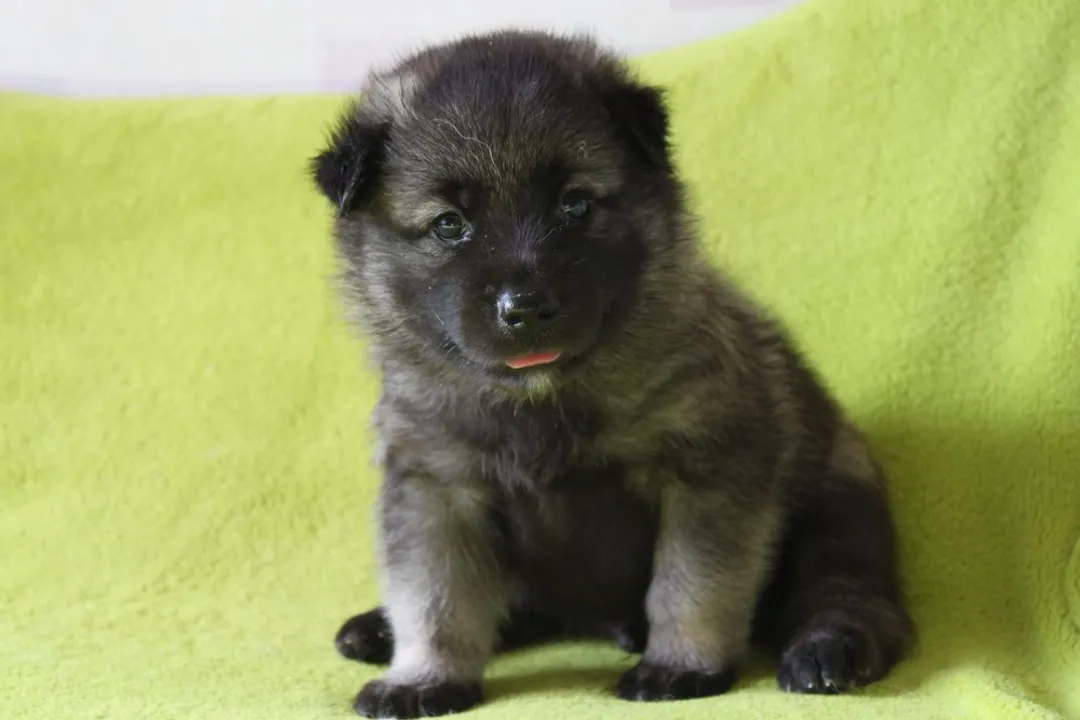
Deciding whether a Norwegian Elkhound will tower over a German Shepherd, or vice versa, is not as straightforward as comparing two established statistics on a scale. While both breeds present as medium-to-large, powerfully built dogs, the answer frequently hinges on the specific lines within each breed and the standard you reference. Both breeds have long, storied histories tied to difficult environments and demanding work, which has sculpted their frames into capable, sturdy packages.
# Breed Variations
The German Shepherd Dog (GSD) is a breed where visual standard can dramatically impact size perception. Many enthusiasts note a divergence between show lines, particularly those exhibiting the more extreme sloping back conformation, and the more traditional, straighter-backed working lines. This structural difference can affect perceived height and overall mass distribution. While both types are large, the working lines often maintain a more level topline, which can present a slightly different silhouette than the heavily angled show lines, even if their registered weights might overlap. Furthermore, the simple reality of individual genetics means a smaller female GSD might be shorter than a larger male Elkhound, regardless of the breed average.
# Synthesizing Size Data
Since precise numerical standards for both breeds are not universally available in the sourced material, we can look at the context provided by their known cross, the Elkhound Shepherd mix, for a baseline. This hybrid is noted to range from 50 to 90 pounds in weight and stand between 20 to 26 inches in height. Given that both parent breeds are substantial spitz-type and herding dogs, it stands to reason that the purebreds will occupy and potentially extend beyond this range. The Norwegian Elkhound, historically used to track and corner elk—an animal significantly larger than the dog—must possess considerable strength and substance. Similarly, the German Shepherd, developed for robust herding and service work, is built for endurance and power.
If we were to place them side-by-side based on typical breed profiles that span the working dog spectrum, the German Shepherd often has a slight edge in overall weight potential, particularly in larger, heavier-boned lines, while the Elkhound maintains a very compact, rugged build optimized for Nordic conditions. The perception of size can also be magnified by the Elkhound's thick, dense double coat, which can make it appear bulkier than a GSD with a shorter, sleeker coat.
Here is a conceptual comparison based on the roles and characteristics discussed in various owner experiences:
| Feature | Norwegian Elkhound | German Shepherd Dog |
|---|---|---|
| Historical Role | Hunting large game (elk) in harsh Nordic climates | Herding livestock for German farmers |
| Build Implication | Rugged, dense, built for endurance and cold | Muscular, versatile, leaning towards a sloped back in some lines |
| Trainability | Independent, can be stubborn, requires consistent work | Generally easier to train, eager to please |
| Temperament Note | More adventurous, potentially harder recall | Extremely loyal, highly intelligent, needs mental stimulation |
It is worth noting that one owner shared an anecdotal experience where their German Shepherd lived to 9, while their Elkhound reached 16, suggesting potential longevity differences, though this is highly individualized.

# Historical Build Influences
To truly understand the size comparison, one must look beyond the measuring tape and consider the environment each dog was bred to master. The Norwegian Elkhound is fundamentally a spitz breed, designed to be weather-resistant, agile enough to navigate rough terrain, and possessing the stamina for long pursuits of large game. This calls for a dense, powerful build that might be shorter in leg but deeper in chest and thicker in coat.
The German Shepherd, on the other hand, was refined specifically for herding and service—roles requiring intelligent application of strength and speed over fields and in organized tasks. The GSD often presents a longer body profile compared to the more square appearance of the Elkhound, allowing for a different type of powerful gait that breeders have favored across various lines, including those with the controversial slope in the rear angulation. If you value a dog whose proportions suggest raw, enduring power over sheer vertical reach, the Elkhound's structure speaks volumes about its heritage.
# Temperament and Size Management
When dealing with large dogs, temperament and manageability often matter more than a few inches difference in height. An owner noted that while both breeds are loyal and good with supervised children, the GSD is often considered more trainable for a first-time family dog. The Elkhound, described as more independent, may require a more experienced hand to manage its adventurous tendencies, especially concerning recall when off-leash.
If one dog is slightly larger but biddable and eager to comply, the perceived challenge of management might be lower than for a slightly smaller dog with a stronger independent streak. For example, both breeds are noted as being good watchdogs, utilizing loud, intimidating barks and alertness. However, channeling that protective instinct successfully relies heavily on consistent, deliberate training, which some find easier to achieve with the GSD’s inherent desire to work closely with its handler. Considering the size of either breed, early socialization and firm obedience work are not optional; they are essential for integrating such a physically capable dog into a family setting safely.
A practical consideration for prospective owners, often overlooked when obsessing over height, is the energy level relative to the dog’s mass. The Elkhound Shepherd mix is described as having a "tremendous motor". An energetic, large dog that does not receive sufficient daily physical and mental exercise can easily translate that restless energy into destructive behavior inside the house. For a potential owner thinking about a smaller apartment or a sedentary lifestyle, neither breed—nor their large, energetic mix—is likely to be a good fit, regardless of which one is marginally "bigger" on paper. Focusing on the compatibility between your activity level and the breed’s high energy demand is a far more actionable metric than a minor height discrepancy.
Related Questions
#Citations
Elk hound or German Shepherd? : r/NorwegianElkhound - Reddit
Elkhound Shepherd: Your Complete Guide - Dog Academy
Norwegian Elkhound Or German Shepard - Boards.ie
Results By Breed - The Westminster Kennel Club