What are the physical adaptations of a wombat?
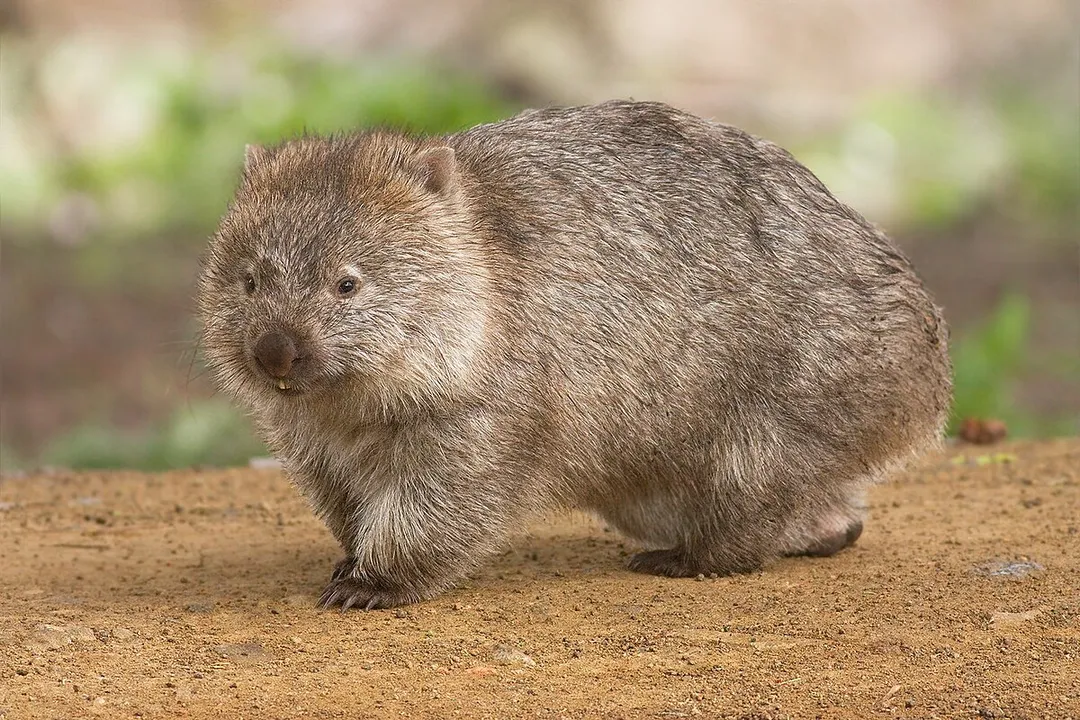
Wombats are instantly recognizable as creatures shaped by the demanding Australian landscape, built like living earth movers whose entire anatomy seems geared toward one primary activity: burrowing. [3][5] These marsupials are far more than just cute, compact mammals; they possess a suite of remarkable physical adaptations that allow them to thrive in environments ranging from forests to arid scrubland. [5][6] Examining their structure reveals a masterclass in evolutionary engineering focused on strength, excavation, and defense. [3]
# Build Structure
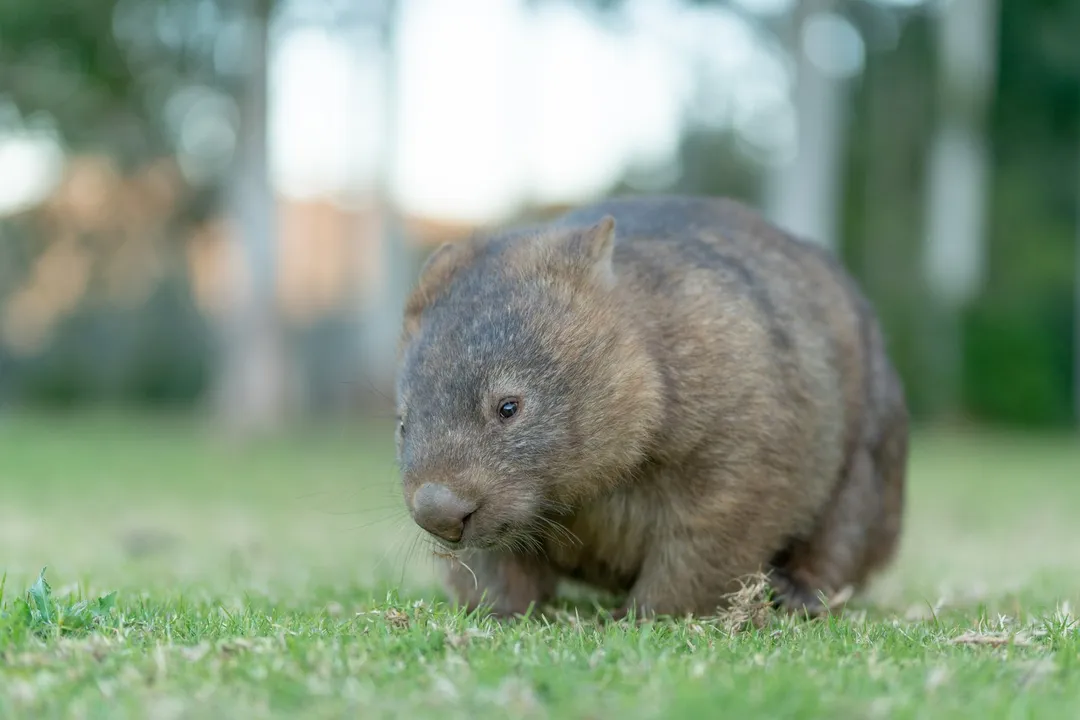
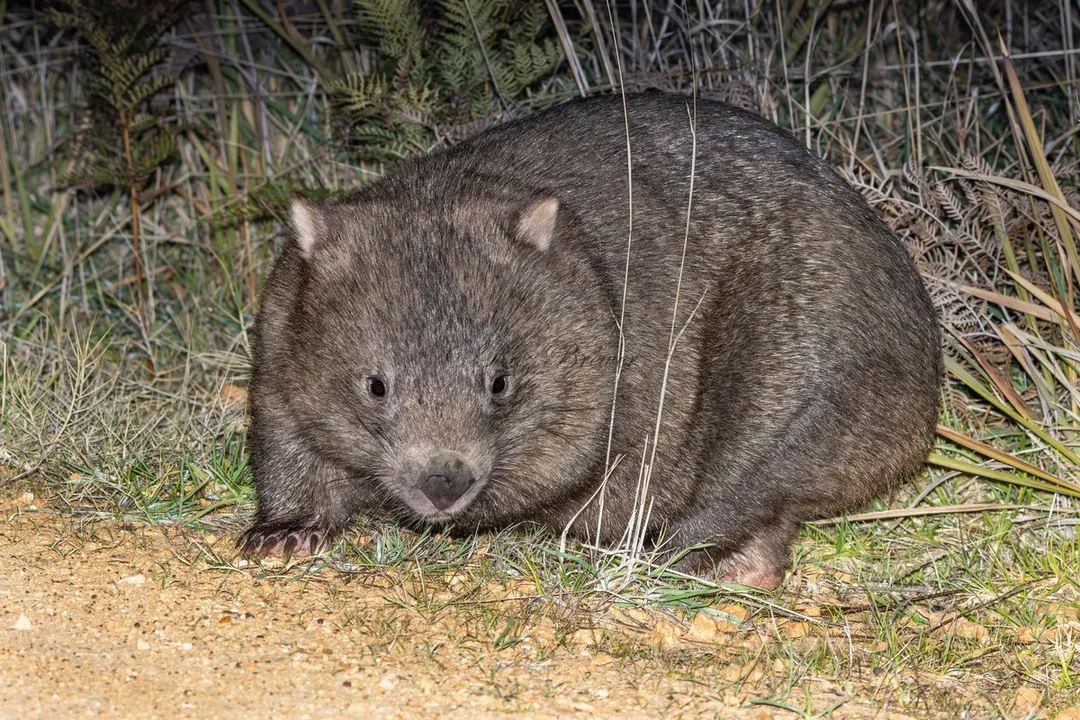
The general body shape of a wombat is perhaps its most defining characteristic, often described as sturdy and barrel-like. [3][5] This low-slung, muscular frame sits close to the ground, which offers incredible stability whether they are pushing through dense undergrowth or bracing themselves in a tunnel. [3] They are remarkably dense animals for their size, possessing a heavy bone structure that contributes significantly to their power. [3] An adult Common Wombat, or Bare-nosed Wombat, typically weighs between 20 to 35 kilograms, sometimes more, though this can vary significantly based on sex and location. [5]
A key element of their physicality is their short, powerful legs. [3][5] Unlike animals built for sustained speed, the wombat’s limbs are optimized for generating immediate, forceful bursts of energy required for digging through compacted soil and clay. [3] Their gait, sometimes described as a lumbering trot when moving above ground, is a necessary trade-off for the immense power concentrated in their forelimbs. [3] Observing a wombat move slowly across open ground might suggest inefficiency, but this compact design minimizes energy expenditure during long nocturnal grazing sessions, saving that stored energy for the demanding work underground. [3]
# Digging Power
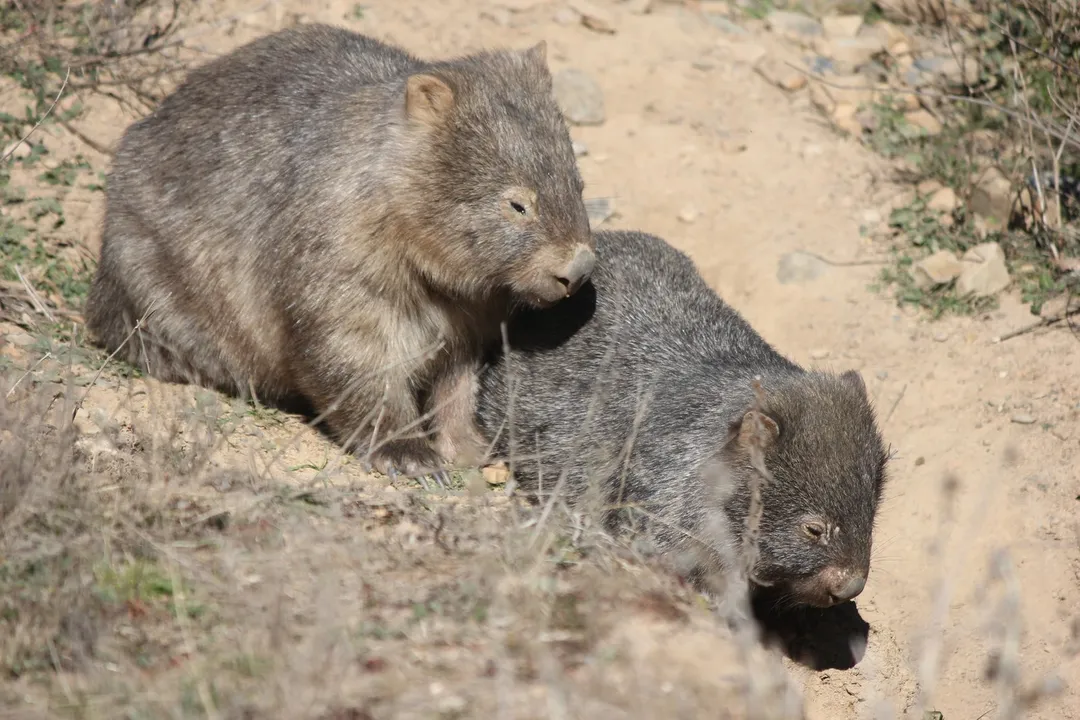
The adaptation most central to the wombat’s existence is its capability as an excavator. They construct intricate, extensive burrow systems that can run for many meters and feature multiple entrances. [1][3] This subterranean network is crucial for shelter, escaping heat, and protection from predators. [1][3]
The primary tools for this engineering feat are their forelimbs and claws. [3][5] Wombats possess incredibly strong claws on their front feet, which are significantly longer and more robust than those on their hind feet. [3] These claws are continually worn down and sharpened as the animal digs through abrasive soil, maintaining their effectiveness. [1] While their teeth are important for grazing, it is the claws and the associated muscle structure that make them formidable diggers. [3][5] They work in a rhythmic motion, digging rapidly with their front paws and kicking the loosened dirt backward with their hind legs. [3]
Interestingly, while many burrowing animals use rotational movements or specialized shoveling techniques, the wombat’s method is primarily brute-force scraping and pushing, made efficient by their low center of gravity and sheer upper-body strength. [3] This difference in digging biomechanics compared to, say, a badger or a mole, highlights an evolutionary path tailored specifically to the characteristics of Australian soils, where rapid soil removal is often prioritized over fine tunnel sculpting. [3]
# Protective Features

Physical adaptations are not just about offense (digging); they are equally important for defense, particularly given the wombat’s relatively slow top speed when threatened. [3] Their most bizarre and effective defense mechanism involves their rear end. [1][3]
Wombats have an exceptionally tough, cartilaginous plate located on their rump. [1][3][5] This bony shield is thick and lacks many nerve endings, meaning it is highly resistant to damage. [3] When a predator, like a dingo, attempts to attack from behind while the wombat is in its burrow, the wombat wedges its rump against the roof of the tunnel. [1][3] This effectively blocks the entrance with an immovable, armored barrier. [1] If the predator persists, the wombat can use its powerful hind legs to crush the intruder’s skull against the roof of the burrow. [3] This adaptation turns what would otherwise be a vulnerable exit into an impregnable fortress. [1]
Another vital defensive feature relates to reproduction and cleanliness in the dusty environment: the backward-facing pouch. [1][3][5][7] Unlike kangaroos or wallabies, the marsupium (pouch) of the female wombat opens toward her rear. [1][7] When the mother is actively digging or foraging in dusty areas, this orientation prevents soil, stones, and debris from being scraped directly into the pouch and onto the delicate joey inside. [1][7] This simple directional change is a massive advantage for an animal that spends so much time manipulating dirt. [3][5]
# Dental Structure
The wombat's diet consists mainly of grasses, roots, and bark, meaning their teeth must cope with tough, abrasive vegetation. [1][3] To counter the constant wear and tear from grazing, wombats possess continuously growing incisors, similar in concept to those found in rodents. [1][3]
These ever-growing teeth ensure that as the grinding surfaces wear down from the silica in the grasses, they are constantly being replaced by new enamel and dentine. [3] Furthermore, the incisors on the upper jaw grow in a way that they self-sharpen against each other—the lower incisors are slightly more curved than the upper ones, creating an efficient shearing edge for cropping vegetation. [1][3] This dental setup is a perfect example of specialization for a grazing herbivore in a resource-limited environment.
# Sensory Acuity
Life underground and activity during low-light hours necessitates adaptations in sensory organs, as sight is not their primary sense. [3] Wombats have relatively poor eyesight, but they compensate with highly developed hearing and smell. [3]
Their sense of smell is excellent, which they use to navigate their territory, locate preferred food sources, and recognize other wombats. [3] Their hearing is also acute, allowing them to detect subtle sounds above ground or underground that might signal approaching danger or the movement of competitors. [3] The external ears are relatively small and rounded, [3] an architectural choice that might help reduce the amount of dirt entering the ear canal during excavation work.
# Integumentary Differences
While the general physical blueprint is shared, subtle differences exist between the species, particularly in their pelage and facial structure, which relates to their preferred habitats. [5][6]
The Bare-nosed Wombat (Vombatus ursinus), also called the Common Wombat, is generally stockier and has a relatively smooth, hairless patch of skin on its nose. [5] They tend to inhabit more forested or wetter areas. [5]
In contrast, the Southern Hairy-nosed Wombat (Lasiorhinus latifrons) lives in drier, more arid regions. [6][7] A clear physical distinction is the presence of hair covering their entire muzzle, including the rhinarium (nose pad). [5][6] This hairy nose is thought to provide some protection against the harsh, dry environment and sun exposure common in their habitat. [6] Furthermore, the Southern Hairy-nosed species generally has a longer muzzle than its bare-nosed cousin. [6] These minor variations in skin and hair coverage showcase how even closely related species adapt physically to minor shifts in climatic pressures. [6][7]

# Comparing Weight Distribution
Considering the power needed for digging, it is worthwhile to look closer at muscle mass distribution. While their forelimbs are undoubtedly the primary digging apparatus, their overall muscle mass is distributed to support both digging and defense. [3] It has been noted that a wombat's rear end is disproportionately strong to facilitate the backward kicking of soil and for bracing against predators. [3] This means that while the shoulders and front legs handle the removal of material, the powerful hindquarters are essential for stability and offense, creating a balanced, low-profile powerhouse suitable for both excavation and passive defense against threats approaching from above or behind. [3] This dual reliance on the front for excavation and the rear for defense and debris removal suggests an evolutionary pressure favoring symmetry in high-force application areas, despite the functional difference between the limbs. [1][3]
The physical adaptations of the wombat—from its shovel-like claws and perpetually sharp teeth to its armor-plated rump and dirt-excluding pouch—reveal an animal perfectly matched to its niche as a subterranean herbivore in Australia. [1][3][5] Every contour and feature serves a direct, essential purpose in its daily life of digging, grazing, and surviving. [3]
Related Questions
#Citations
What is a Wombat? | Adaptations, Species, and More - Twinkl
Common Wombat Adaptations - Biological adaptations
Wombat - Wikipedia
Behavior & Ecology - Wombats (Vombatus and Lasiorhinus spp ...
Bare-nosed Wombat - The Australian Museum
Southern Hairy-nosed Wombat - Columbus Zoo
Lasiorhinus latifrons (southern hairy-nosed wombat) | INFORMATION
Adaptations - The Wombat
Wombats (Facts & Photos) - Bush Heritage Australia