What are the adaptations of a Norwegian Lundehund?
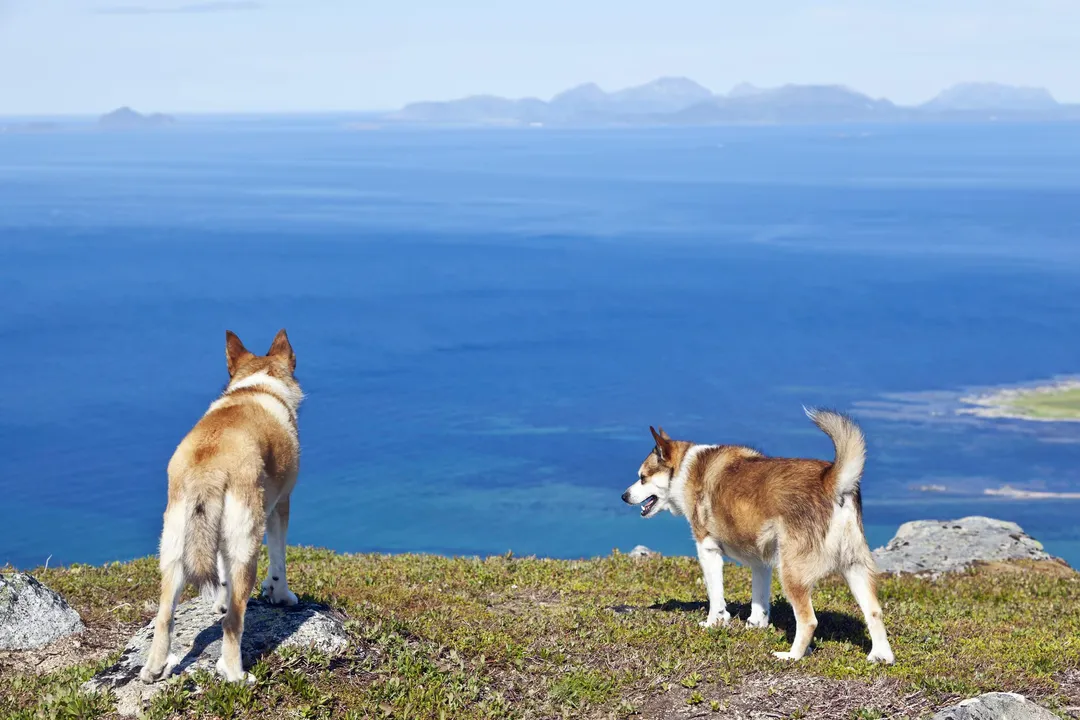
The Norwegian Lundehund is a small spitz-type dog whose very structure speaks of a specialized history spent working on the treacherous, rocky coastlines of Norway, primarily focused on hunting seabirds like the puffin. [2][7][9] It is not just another small dog; it is a canine masterpiece of evolutionary and selective adaptation, possessing physical characteristics rarely seen in the canine world. [4] To truly appreciate this breed, one must examine the specific modifications that allowed it to thrive in an environment demanding extreme agility, grip, and resilience against the elements. [6]
# Six Toes
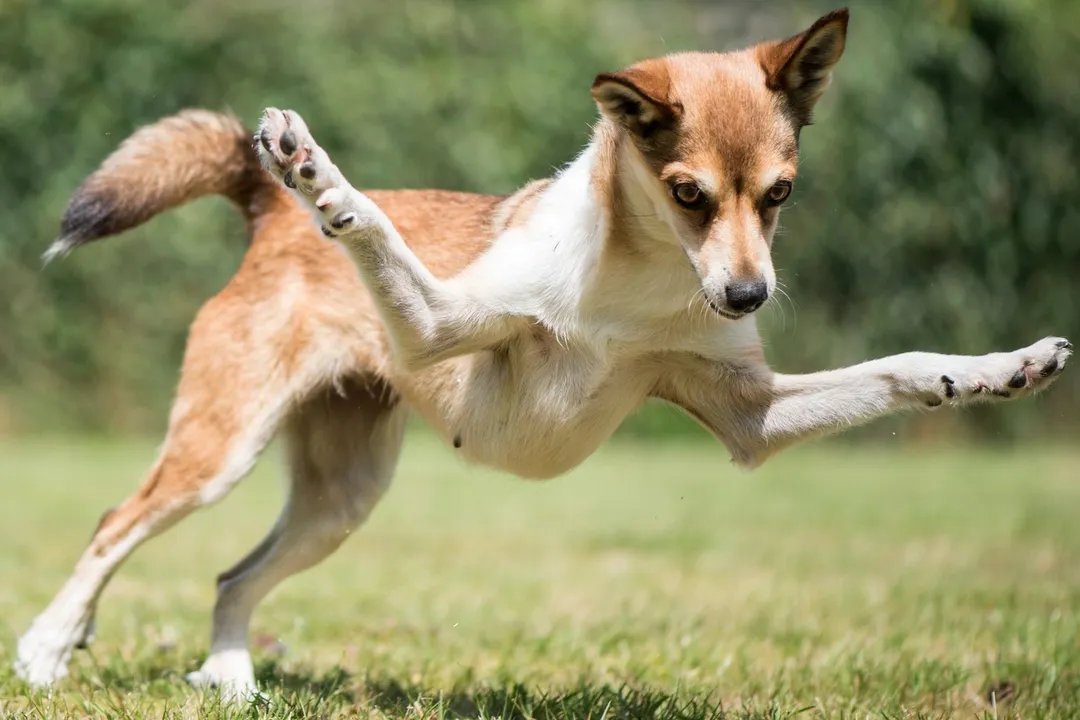
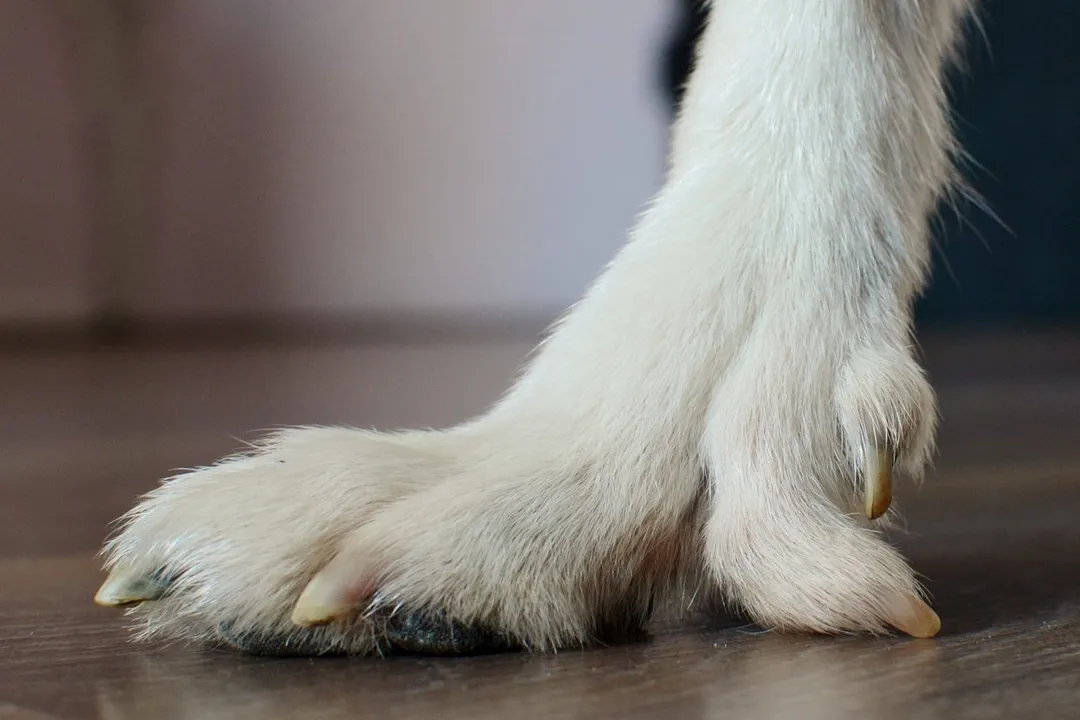
Perhaps the most immediately striking adaptation of the Lundehund is found in its feet. [1][5] This breed exhibits a condition called polydactyly, meaning they possess extra toes. [2][3][4][7] Specifically, a Norwegian Lundehund has six fully developed toes on each foot, unlike the typical four found on most dogs. [1][2][3][5][6][9]
These extra digits are not simply vestigial bumps; they are functional, featuring skin and muscle development that allows them to operate effectively. [1] In the rugged, wet, and uneven terrain where the Lundehund historically worked, this characteristic provides exceptional grip and stability, much like having extra treads on a specialized tire. [1] Imagine a dog navigating slick, algae-covered boulders or precarious cliff edges; the added purchase offered by those extra points of contact means the difference between a successful hunt and a dangerous fall. This trait is a testament to intense, localized selection pressure that favored dogs who could maintain traction where others would slip. [2]
# Body Mobility
If the feet provide the grip, the rest of the Lundehund’s structure provides the maneuverability required to utilize that grip in tight, vertical spaces. [2] The breed possesses remarkable, almost uncanny, flexibility throughout its spine and neck. [1][5][7][9]
One of its most astonishing feats is the ability to fold its head backward so that the back of its skull touches its spine. [1][3][5][7][9] This level of neck extension allows the dog to look directly behind itself without turning its entire body, which is invaluable when operating in narrow crevices or caves where visibility is limited. [9] Furthermore, the spine itself is exceptionally pliant, enabling the dog to arch and twist in ways that seem impossible for a creature with a rigid skeleton. [1][2] This hyper-flexibility, combined with the superior grip of its feet, essentially turns the Lundehund into a small, agile climber, designed to pursue birds into the small nooks and crannies of sea cliffs where larger animals could never reach. [7]
# Ear Closure
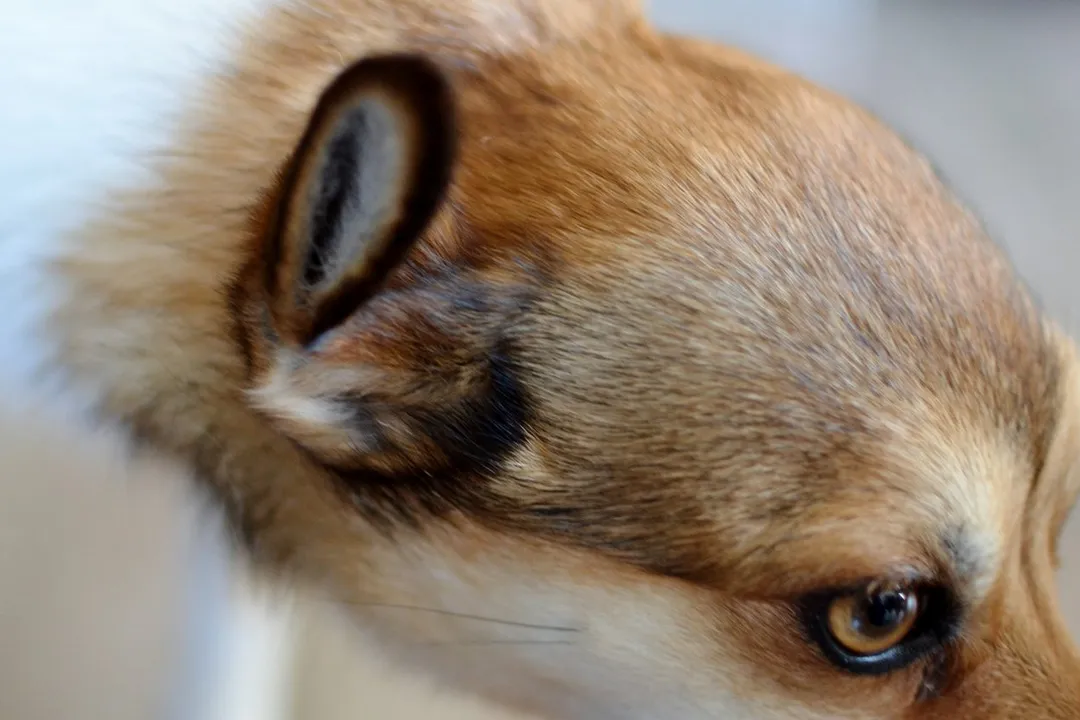
Living near the North Atlantic means dealing with unpredictable and often severe weather, including sudden gusts of wind and driving rain. [6] To protect the sensitive inner ear canal from debris, water, and wind while working in burrows or exposed coastal areas, the Lundehund has evolved a unique mechanism for its ears. [3][5][9]
The ears are capable of being folded inward, effectively closing them shut. [1][3][5][6][7][9] This is a conscious action the dog can perform, securing the ear canal against environmental intrusion. [9] This adaptation is crucial for preventing painful or damaging water ingress during inclement weather or when the dog is moving quickly through thick undergrowth or tight spaces near the water line. [1]
# Coat Structure
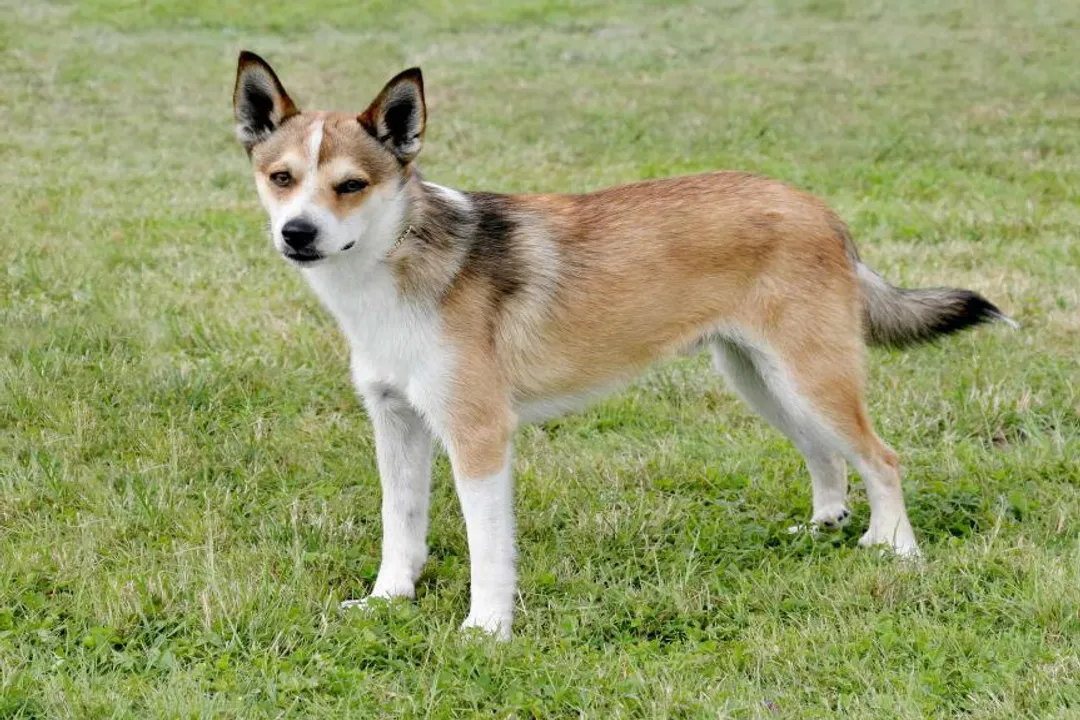
While flexibility and specialized limbs handle mobility and grip, the harsh Norwegian climate demands protection for the dog’s core body temperature and skin. [6] The Lundehund is equipped with a dense, double coat perfectly suited for insulation. [3][5][9]
This coat consists of two layers: a thick, soft undercoat that traps air and provides excellent warmth, and a harsher, longer outer coat that acts as a protective barrier. [3][6] This outer layer is structured to be water-repellent, helping snow and rain to bead up and roll off, ensuring that the dog’s skin stays dry and the insulating undercoat remains effective even after exposure to wet conditions. [6] It is a classic example of natural selection favoring the thickest, most weather-resistant pelt available for survival in northern latitudes. [9]
# Synthesis and Considerations
When you examine these traits together—six gripping toes, an incredibly bendable spine, self-sealing ears, and a weather-proof coat—it becomes clear that the Norwegian Lundehund is a highly specialized tool for a very specific job: hunting puffins and their eggs from inaccessible coastal habitats. [2][7] The adaptations are synergistic; the neck flexibility allows scouting, the coat allows prolonged exposure, and the feet and spine grant access to the hideaway.
Considering the extreme flexibility required by the breed standard—the ability to contort the spine and neck is highly prized in confirmation judging—it naturally invites a thought regarding long-term physical maintenance. While these features were advantageous for surviving and hunting in the wild, [2] for modern pet owners engaging in regular exercise, it is wise to tailor activities away from sustained, high-impact stressors that might challenge the unique biomechanics of that hyper-mobile spine and shoulder girdle over many years. [1] Ensuring low-impact fitness allows the dog to enjoy the benefits of its unique build without prematurely stressing the joints and ligaments adapted for climbing and wedging, rather than repetitive jumping or hard landings on flat ground. This thoughtful approach honors the dog's heritage while promoting a long, healthy life in a modern setting.
Related Questions
#Citations
Norwegian Lundehund Dog Breed Health and Care - PetMD
Norwegian Lundehund Dog Breed and Characteristics
Lundehund - Vorkosmia
Meet the Norwegian Lundehund, nature's masterpiece of adaptation ...
Norwegian Lundehund - GoofyTails
Norwegian Lundehund in Australia: Guide to the Rarest Six-Toed Dog
The Best Unique and Adaptable Breed: Norwegian Lundehund
Norwegian Lundehund - Dog breed genetic test
Norwegian Lundehund Guide 2025: Unique Puffin Dog Care