What are the adaptations of a tiger snake?
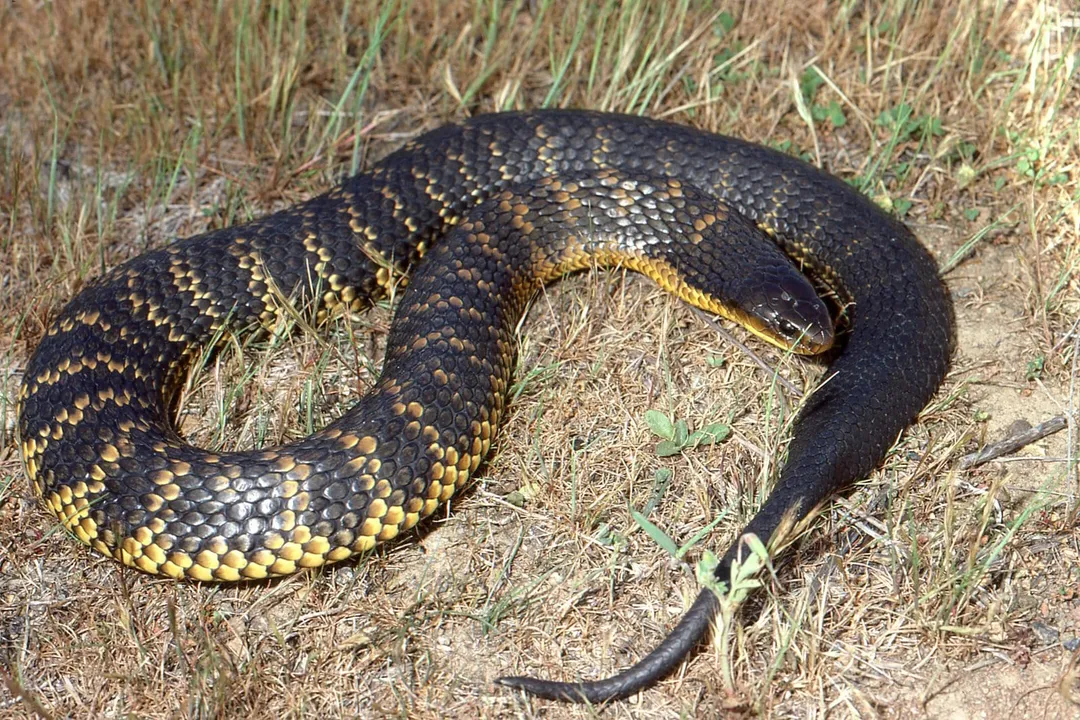
The rich, dark bands that give the tiger snake (Notechis scutatus) its common name are a striking feature, but the variety in its appearance across its range hints at a deeper story of evolutionary molding. [3][7] Found predominantly in the southern and eastern regions of mainland Australia, as well as in Tasmania, this reptile exhibits a fascinating spectrum of physical and behavioral adjustments that allow it to thrive in diverse, often challenging, Australian environments. [3][7][9] Unlike many species where adaptation is subtly reflected in size or metabolism, the tiger snake presents vivid, almost textbook examples of natural selection at work, particularly when comparing its mainland relatives to those isolated on islands. [2][5]
# Physical Traits
The overall impression of a tiger snake is one of a potent, medium-to-large snake, often described as stout. [3][7] Their coloring is highly variable; while banding is typical, with shades of black, brown, olive, or yellow alternating, some populations present almost uniform coloration. [3][7] For instance, the Tasmanian populations frequently appear uniformly dark, lacking the distinct stripes seen elsewhere. [9] This variation in patterning itself is an adaptation, serving as camouflage tailored to the specific local substrate, whether it be grassy wetlands or rocky outcrops. [3]
A notable physical feature contributing to their effectiveness as predators is their head structure. [5] Tiger snakes generally possess a noticeably broad head in proportion to their neck. [5] This size disparity is not merely cosmetic; it relates directly to their feeding mechanics, as will become clearer when examining specialized populations. [1][5] Furthermore, their ability to swim proficiently suggests an adaptation for riparian or wetland habitats, which are preferred locations for many populations, including near swamps, creeks, and ditches. [3][6][7]
# Defensive Postures
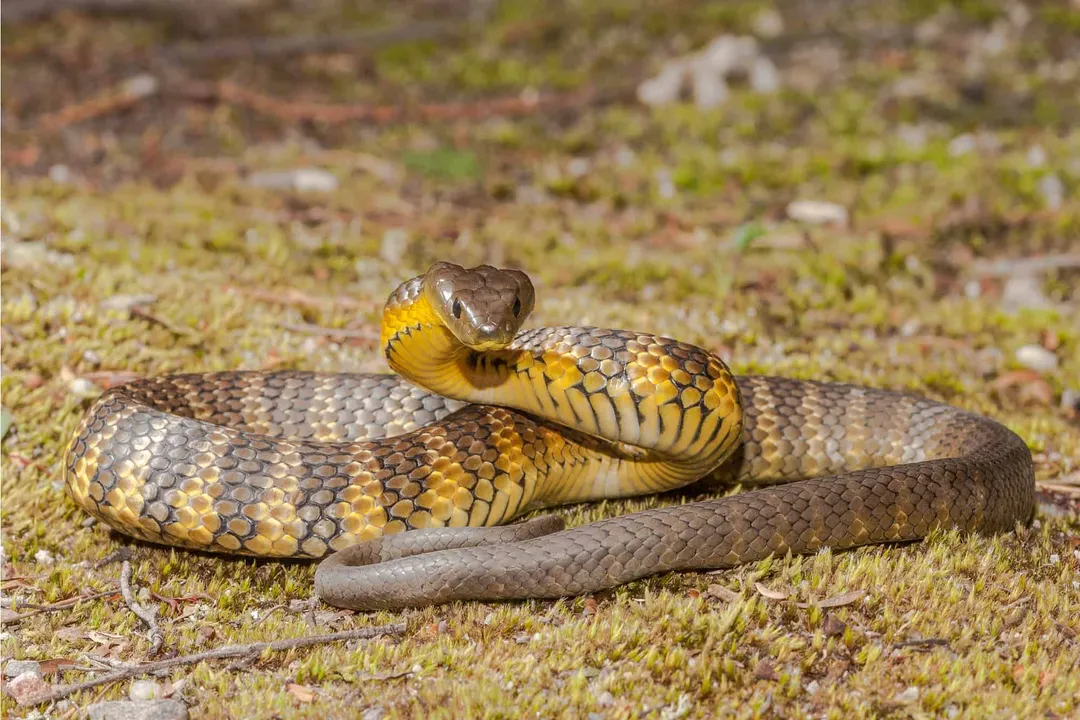
When a tiger snake feels threatened—and given its highly toxic venom, it has good reason to be cautious—it has a dramatic method of appearing larger and more intimidating. [3][7] Much like a cobra, the snake will flatten the skin along its neck, spreading it out into a distinct, broad 'hood'. [3][7] This defensive display is a crucial behavioral adaptation aimed at deterring potential predators or animals that have encroached too closely, often before resorting to biting. [3]
The activity patterns of the snake also show environmental flexibility. Tiger snakes are typically diurnal, meaning they are active during daylight hours, often seeking out sunny spots to bask and raise their body temperature, which is essential for their activity. [3] However, in areas experiencing extreme heat, this schedule can flip, with the snakes becoming nocturnal to avoid overheating, demonstrating a behavioral adaptation to thermal load. [3] This reliance on external warmth means that access to appropriate basking sites is a key requirement for survival, especially in cooler regions like Tasmania where prolonged warming periods are essential for their physiological maintenance. [9]
# Specialized Feeding
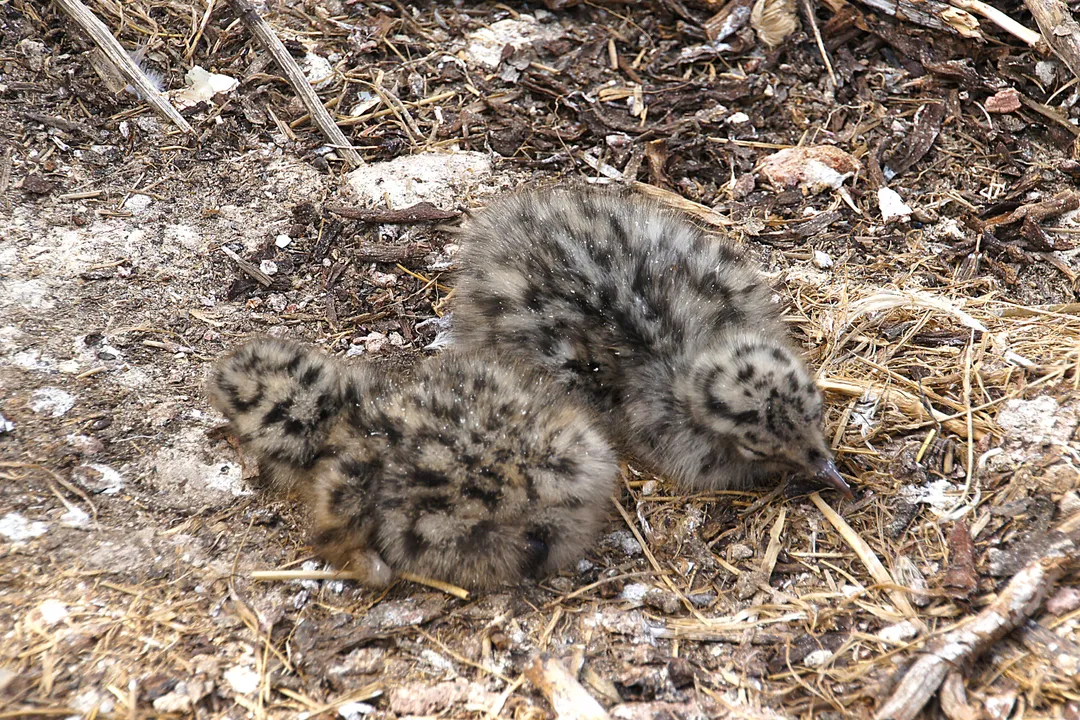
The primary diet for many mainland tiger snakes centers around frogs, but they are opportunistic feeders, readily consuming fish, birds, and small mammals. [3][6] This generalist carnivorous tendency is common among adaptable species, but the tiger snake exhibits incredible specialization in certain isolated environments, providing a dramatic illustration of rapid adaptation.
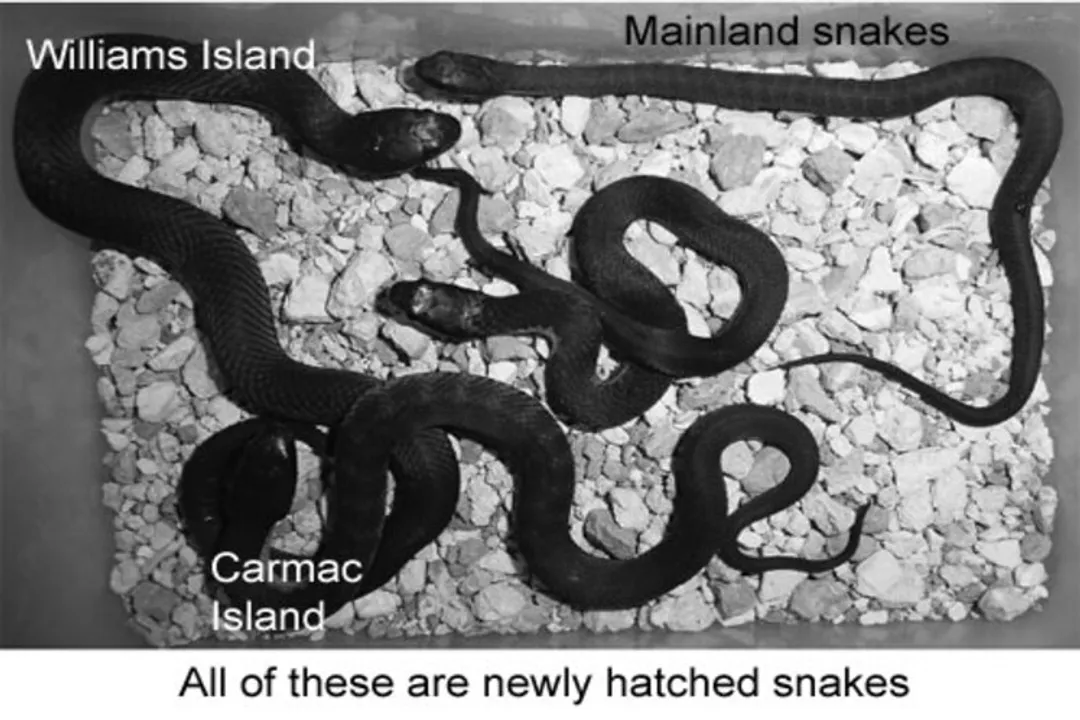
On Kangaroo Island off the coast of South Australia, for example, tiger snake populations have evolved distinct skull morphology to exploit a specific food resource: the large chicks of nesting seabirds. [1] Researchers studying these snakes found that their skulls had adapted; the jaw was significantly deeper and broader compared to mainland counterparts. [1] This structural change allows the island snakes to more effectively handle and consume larger prey items than the frogs and small mammals typical of their continental cousins. [1][5] The presence of this significantly altered bone structure in the island snakes, versus the more generalized skull shape of the mainland snakes, provides compelling evidence that dietary pressure can drive measurable, skeletal evolutionary change within relatively short timescales. [1]
It is fascinating to consider the ecological domino effect here. On the mainland, the abundance of amphibians might favor a jaw structure suited for gripping and swallowing slippery, often wriggling frogs. [3][6] On the island, where the preferred food might be larger, less mobile, and perhaps richer in fat reserves—like a dense seabird chick—the evolutionary benefit shifts towards a stronger, broader jaw capable of securing and processing this bulkier meal. [1]
If we map the cranial measurements against available prey biomass, we might observe a threshold—for instance, if the average weight of the locally available prey exceeds 60% of the snake's own body mass, the broader skull morphology becomes overwhelmingly favored by selection. This kind of environmental bottleneck rapidly sculpts the physical form, turning a generalist hunter into a specialist master of a localized resource. [1]
# Evolutionary Mechanism
The dramatic skull reshaping observed in the Kangaroo Island tiger snakes is central to a significant concept in evolutionary biology: genetic assimilation. [5] This process suggests that when a population faces an environmental challenge (like an abundance of large prey) and a beneficial acquired trait develops (like a temporarily broader head achieved through muscular use while attempting to eat large prey), if that trait is genetically encoded through subsequent generations, the adaptation becomes fixed. [5] In essence, the environment selects for the genetic underpinning of an already-acquired physical modification. [2][5]
The fact that these island snakes possess a genetically fixed, broader skull—a trait seemingly initiated or strongly reinforced by unique feeding opportunities—lends significant support to this long-debated theory. [5] It illustrates that evolution is not always a slow march of entirely new mutations; sometimes, it involves rapidly cementing the most advantageous responses to immediate environmental pressures. [2] This contrasts sharply with the more gradual evolutionary paths seen in species where resources are stable and abundant, like the generalist mainland tiger snakes. [3][6]
Comparing the mainland and island variants highlights two successful, yet divergent, adaptation strategies: plasticity versus specialization. [2] The mainland snake thrives through behavioral flexibility—hunting frogs, fish, or mammals as available, relying on its general-purpose build. [3][6] The island snake has "doubled down" on one primary, rich food source, trading general utility for superior efficiency in a narrow niche, evidenced by its modified skeletal architecture. [1]
# Habitat Specificity and Thermoregulation
The presence of tiger snakes across Tasmania and the Australian mainland underscores their general adaptability, yet it also points to specific environmental tolerances. [9] While they prefer wet environments, they are found in areas ranging from coastal sands to eucalyptus forests. [7] In Tasmania, their distribution is widespread across the island, inhabiting coastal areas, swamps, and grasslands. [9]
A key component of survival in these varied thermal landscapes is the relationship between habitat and ectothermy (being cold-blooded). The need to bask under the sun is paramount for activity, movement, and digestion. [3] Consider the difference in required basking time: a snake in the cooler, often overcast climate of Tasmania might need several hours of direct sun exposure just to reach optimal operating temperature, making the choice of a dark, open basking rock near cover a critical, daily adaptation decision. [9] In contrast, a snake in the intense heat of inland Victoria might only need a brief morning exposure before retreating to the cooler, damp undergrowth or water to avoid lethal midday temperatures. [3] This suggests an underlying, subtle adaptation in preferred body temperature set-points between northern and southern populations, even if the skull is the most visible example of adaptation. If data were available, one might hypothesize that the Tasmanian variants possess slightly lower optimal operating temperatures, allowing them to function effectively despite shorter periods of intense solar radiation.
Furthermore, their preferred hunting grounds—wetlands and creek edges—necessitate an adaptation for aquatic life. [6] Their limbless, streamlined body is efficient in water, allowing them to ambush semi-aquatic prey like frogs or chase fish, roles that a terrestrial-only snake could not perform as effectively. [3][7] This dual capacity to move both on land and in water significantly expands the area where they can successfully hunt and forage, multiplying their effective habitat range compared to strictly terrestrial or strictly aquatic reptiles. [6]
# Venom Potency
Underpinning all these physical and behavioral adaptations is the tiger snake's potent venom. [3][7] The venom itself is a complex cocktail, primarily composed of potent neurotoxins that target the nervous system, leading to paralysis, though it also contains coagulants that affect blood clotting. [3] The high toxicity is a primary defense mechanism, as an effective defense reduces the need for physical confrontation, conserving energy and minimizing the risk of injury from a predator. [3]
Interestingly, while all tiger snakes are dangerous, the concentration and exact composition of the venom can vary geographically—a phenomenon known as intraspecific variation. [3] While the sources don't detail specific regional venom differences, it is a recognized pattern in viperids and elapids that the venom composition will shift to best counter the most common local threats or prey types. [3] If a local prey item is immune to a specific neurotoxin but vulnerable to a coagulant, selection will favor venom that emphasizes the latter. Therefore, the venom itself acts as a biochemical adaptation finely tuned to the local ecosystem's specific threats and targets.
The adaptation in venom potency, alongside the physical adaptations like the broad head, reinforces the idea that the tiger snake is less a single entity and more a collection of locally optimized lineages, all united under the Notechis scutatus banner. [2][5]
# Key Adaptations Summary
To distill the varied responses of Notechis scutatus to its environment, we can organize the primary adaptations into categories, recognizing that the degree of specialization often correlates with environmental isolation or dietary opportunity. [1][2]
| Adaptation Category | Example/Observation | Evolutionary Implication |
|---|---|---|
| Cranial Morphology | Broader, deeper skull in island populations. [1] | Direct response to larger prey items; supports genetic assimilation theory. [5] |
| Coloration/Pattern | Highly variable banding; uniform dark in Tasmania. [3][9] | Camouflage tailored to specific local substrates and light conditions. [7] |
| Behavioral Thermoregulation | Diurnal activity, shifting to nocturnal in extreme heat. [3] | Flexibility to maintain optimal body temperature across wide thermal gradients. [3] |
| Defensive Display | Flattening neck into a 'hood' when threatened. [3][7] | Intimidation display to avoid physical conflict and venom expenditure. [3] |
| Locomotion | Proficient swimming ability. [3] | Access to resources and escape routes in riparian and wetland habitats. [6] |
# Reading the Landscape
For anyone observing these snakes in the wild, recognizing these adaptations provides insight into their immediate needs. If you spot a snake spending a significant amount of time motionless on a dark, exposed rock, you are observing the critical ectothermic adaptation in action—it is not resting, but actively fueling its body for hunting and defense. [3][9] Conversely, finding a snake moving rapidly through a shallow creek suggests its aquatic locomotion system is engaged, likely pursuing prey or seeking cooler refuge. [3][6] Observing where a snake is, rather than just what it looks like, reveals which adaptive toolkit it is currently deploying to navigate its particular stretch of the Australian landscape. [7]
Related Questions
#Citations
Island tiger snakes' skulls adapt to eat large sea bird chicks
Nature or nurture? In tiger snake evolution it's complicated…
Tiger snake - Wikipedia
The Tiger Snake Has a Vicious Bite to Subdue Prey | HowStuffWorks
Big-headed tiger snakes support long-neglected theory of genetic ...
Tiger snake - Notechis Scutatus - A-Z Animals
Tiger Snake: Discover Australia's Venomous Snake | STC
Tiger rattlesnake - Students | Britannica Kids | Homework Help
Tasmanian Snakes