Do Norwegian Forest cats act like dogs?

The idea of a cat acting like a dog often conjures images of retrievers waiting by the door, but when you look closely at the Norwegian Forest Cat, the comparison starts making a surprising amount of sense. These magnificent felines, hailing from the rugged, cold forests of Norway, are known for their hearty build and water-resistant coats, but it is their spirited personality that often leads owners to associate them with canine companionship. Descended from cats that likely traveled with Vikings as effective rodent control, the skogkatt—as they are known in their homeland—carries an ancient heritage that seems to have instilled a deep, active loyalty rarely associated with the average house cat.
# Shadow Presence
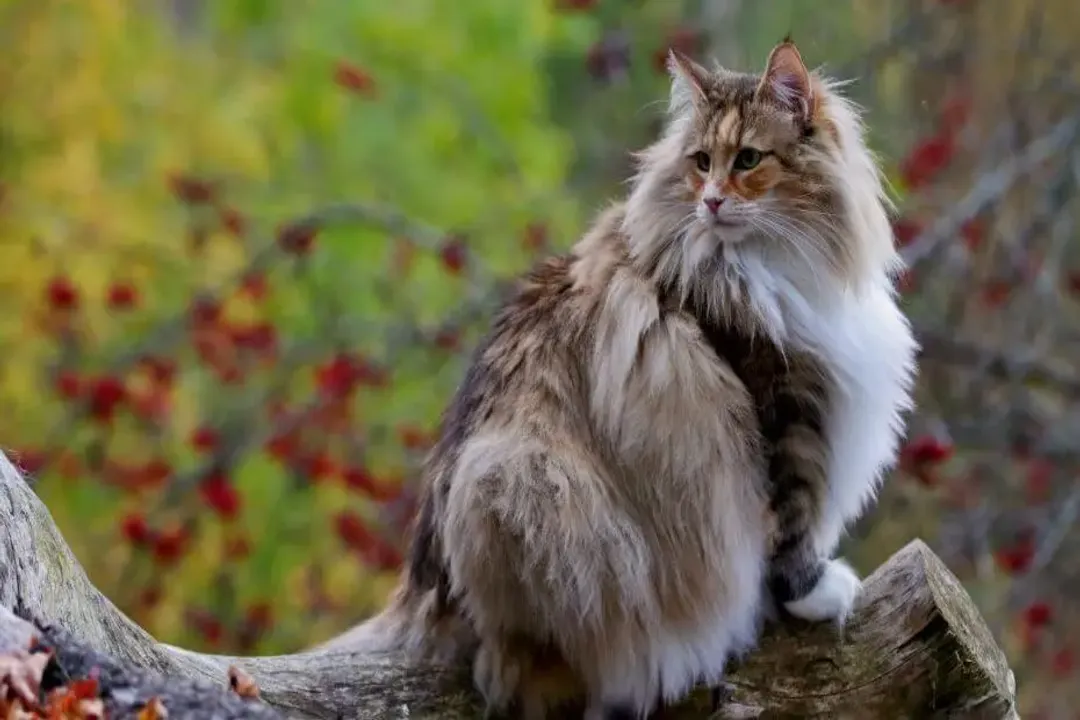
One of the most frequently noted behaviors that draws the parallel to dogs is the Norwegian Forest Cat’s strong desire for constant companionship. They are not often described as aloof. Instead, many owners report that their Wegie insists on being involved in all family activities. They like to stay near their people, though often not on them. This near-constant surveillance isn't always overtly demanding; one owner noted their cat "loves following me around the house but will usually act like he's got other reasons for being in the room so as to not look like he cares too much". This ability to be an ever-present, observant fixture in the home, moving from room to room to monitor activity, strongly mimics the behavior of a dedicated canine housemate.
This dedication manifests most clearly at transitions. Several reports confirm that these large cats will make their way to the entrance to see their humans off when they leave for work. Perhaps even more strikingly dog-like, some Wegies will specifically respond to the sound of the garage door opener, running to greet their family upon arrival. This active welcome is a hallmark behavior often celebrated in dog owners but less commonly expected from a feline, suggesting a uniquely strong bond formation with their primary human family members.
# Trainable Nature
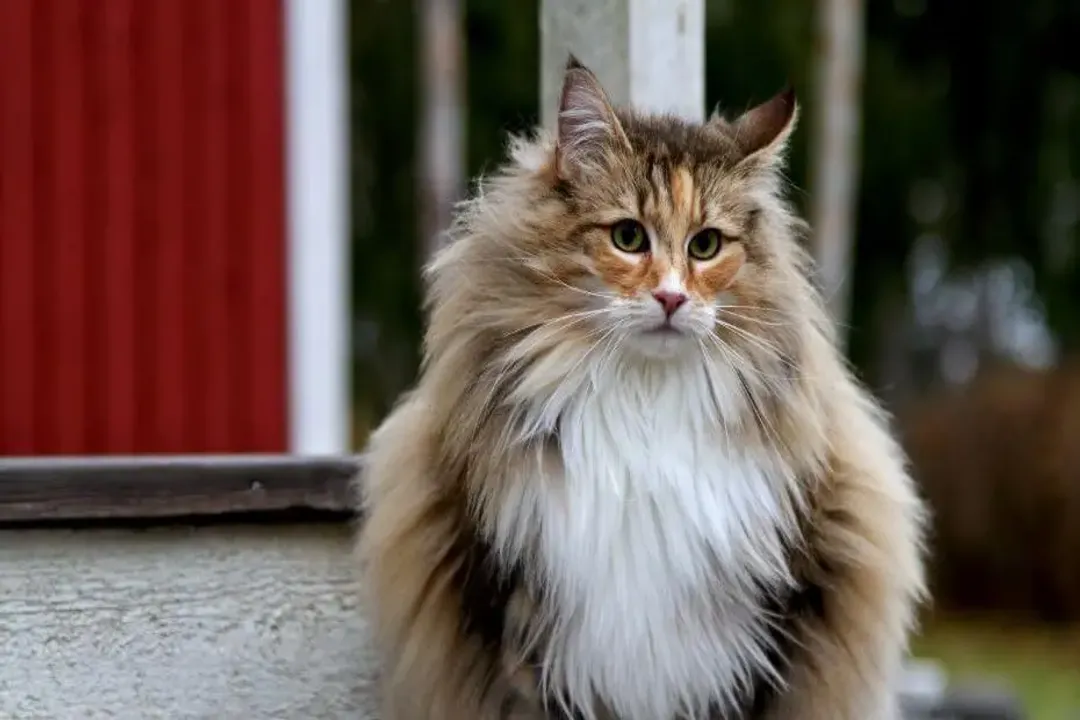
The intelligence of the Norwegian Forest Cat is frequently highlighted, leading directly to behaviors often reserved for more easily trained species. Descriptions consistently label them as smart and intelligent. This intelligence translates into a surprising willingness to learn tricks and commands. One account specifically mentions a Wegie learning to sit on command for treats, acting "like a dog" in that regard. Furthermore, their active and inquisitive nature means they thrive on interactive play that stimulates their instincts. This capacity for learning and active engagement makes them suitable candidates for activities that go beyond basic play, such as walking on a leash.
This trainability, combined with their social needs, suggests a cat breed that actively seeks mental stimulation through interaction. They are often described as interactive and playful. While they enjoy playing on their own terms, their willingness to learn and participate in activities alongside their owners is a key differentiator from breeds that are more content to be passive companions.
# Social Diplomacy
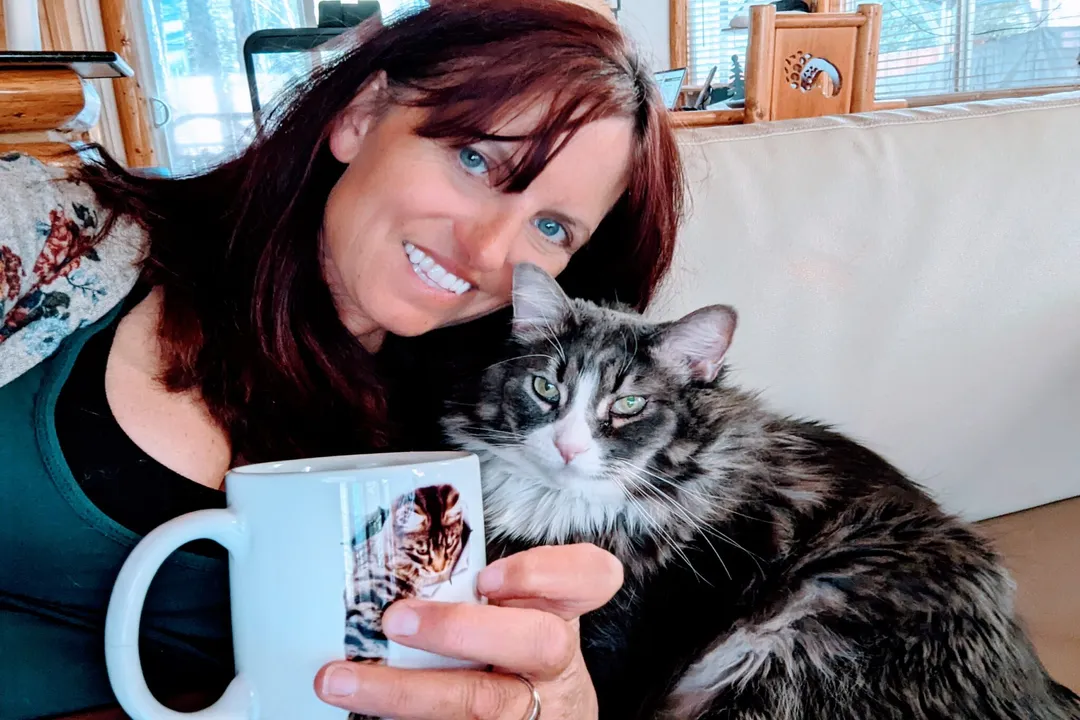
The Norwegian Forest Cat’s temperament also proves surprisingly versatile when it comes to interspecies relationships, another trait often admired in dogs known for their friendly disposition. These cats generally get along well with respectful dogs and other cats, provided introductions are managed gradually. They are described as friendly and sociable. Some owners have observed their Wegies wrestling with their dog companions, showing a high degree of acceptance and compatibility in a multi-pet household.
This level of sociability with other species implies a mellow and easygoing nature overall. Even when meeting new people, some Wegies are quite outgoing and readily make friends with visitors, rather than retreating into hiding, though others may be more reserved with strangers. For families considering a new pet, the Wegie’s established reputation for getting along with children and other animals makes them an appealing choice.
# The Independence Clause
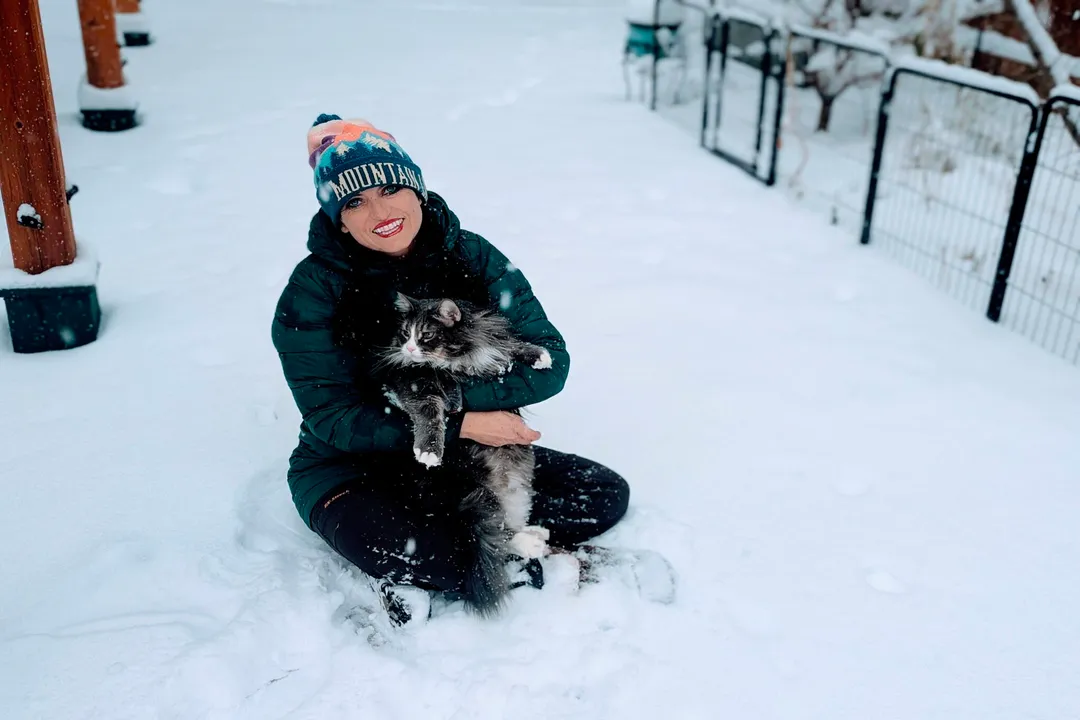
However, to say the Norwegian Forest Cat is entirely dog-like would be inaccurate, as the most significant divergence from canine behavior lies in their approach to physical affection and personal space. While they are highly attached and affectionate, they are rarely described as lap cats. They prefer to lounge near their people, perhaps on the back of the sofa, rather than being held constantly. They are intelligent and independent, and when they decide it is cuddle time, they generally dictate the duration. A common theme is that they want to be involved in family life, but on their own terms. They are not as demanding of constant attention as some other breeds, and can entertain themselves when the household is empty, which is a distinct contrast to a dog’s typical separation anxiety.
This distinction speaks to their need for autonomy. They are cats who value their freedom and often prefer to observe from a high perch, taking in the surroundings with a unique wisdom. It's a balanced relationship: devoted, but never subservient.
# Structuring Canine Traits in a Feline Body
The core of the “dog-like” observation appears to stem from their loyalty and active companionship, rather than adopting purely canine habits like demanding walks (though some do enjoy leashes) or constant physical contact. The Norwegian Forest Cat seems to offer a devotion that is deep-seated and woven into their nature, much like a dedicated dog, but filtered through a resolutely feline lens of self-determination.
If you are looking for a companion that mirrors the steadfast presence of a dog but comes with the grace and independence of a large, ancient breed, the Wegie fits the bill well. Their ability to learn commands and their tendency to greet you at the door are concrete examples of dog-like interaction. Yet, their refusal to be a perpetual lap fixture ensures you never forget you are owned by a cat. Their heritage is one of natural selection in a harsh climate, meaning they are hardy, athletic, and resourceful, traits that translate into an inquisitive, engaged housemate. They are, essentially, a breed that bonds deeply and actively participates in the human world, but always retains the right to nap atop the highest available cabinet when solitude calls.
One interesting observation from owners is the sheer confidence and curiosity noted in the breed. This confidence can manifest in strange ways. For instance, given their large size and powerful build, watching a fully mature Wegie—who can take up to five years to reach full size—still bounce up to pounce on a toy like a kitten is quite something to witness, suggesting a retained playful energy that defies their imposing stature. This sustained kitten-like playfulness, even into adulthood, can be wonderfully entertaining for the family.
For potential owners managing this breed in a home setting, especially an apartment, their need to climb and survey their domain is paramount. Since they are large, athletic cats, providing structures that can safely support their weight is essential, which leads to an important consideration for indoor living. Owners must invest in sturdy cat trees or vertical furniture that can handle a large, enthusiastic jumper, satisfying their natural inclination to perch high and observe the "forest" of the living room. This environmental enrichment is vital because while they enjoy time alone, they are not suited to complete isolation and require outlets for their energy to prevent boredom. They need strong fixtures that allow them to engage their natural climbing ability, which includes descending trees headfirst, a trick echoing their wild origins. This need for sturdy vertical space is a direct requirement flowing from their size and agility, something less pronounced in smaller, less athletic breeds.
In summary, the Norwegian Forest Cat gives you the best of both worlds: the easygoing, friendly nature and devoted following often associated with dogs, coupled with the dignified independence and self-grooming nature of a cat. They are loyal companions who choose to be near you, intelligent enough to learn your cues, and sociable enough to integrate into a busy, pet-filled home, all while maintaining the majestic bearing of a true "Wegie".
Related Questions
#Citations
Describe the personality of your Norwegian Forest Cat to me - Reddit
Norwegian Forest Cat: Breed Profile, Characteristics & Care
What You Don't Know About...Norwegian Forest Cats
30 Fun Facts About the Norwegian Forest Cat - FELIWAY
Fur Real: Why a Norwegian Forest Cat Might Be Your Purr-fect Match
All about Norwegian Forest cats | Blog - Burgess Pet Care
Norwegian Forest Cat Facts - Wisdom Panel™ Cat Breeds
Norwegian Forest Cat Breed Information | Purina UK