Where are the Reed Warblers (Acrocephalus) now classified following taxonomic reorganization?
Answer
Acrocephalidae
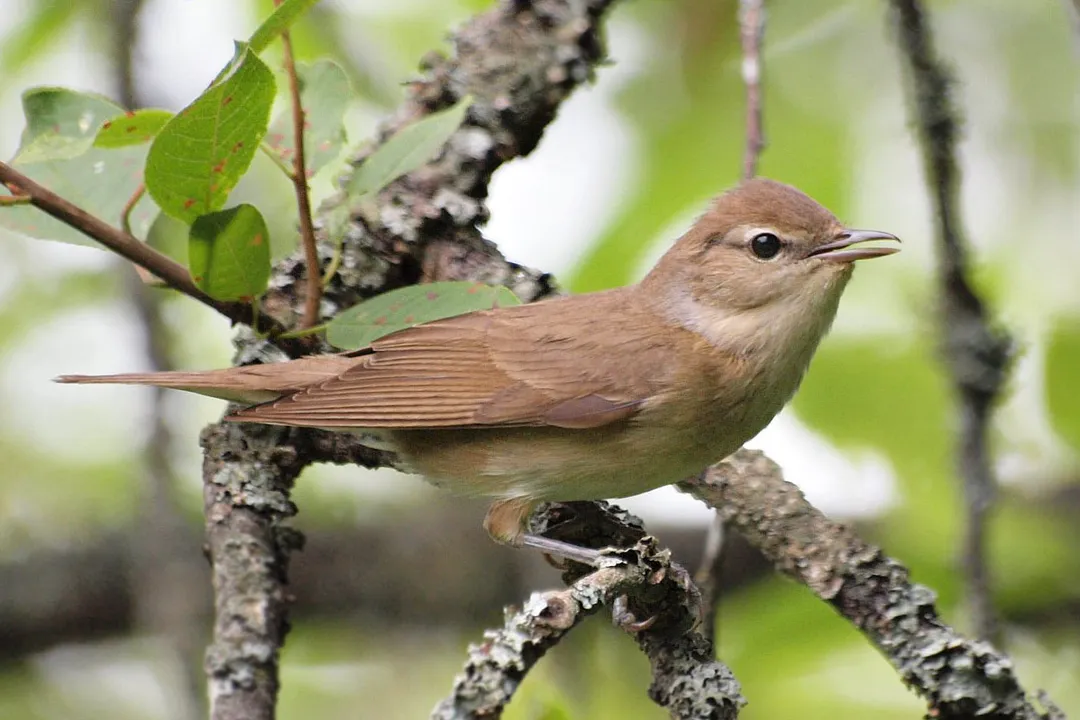
The Reed Warblers, which are often described as small and secretive and prefer marshy habitats, were historically grouped under the umbrella term Sylviidae. However, modern genetic sequencing demonstrated that they do not belong with the typical warblers like the Whitethroats. Consequently, the Reed Warblers (*Acrocephalus*) have been moved out of the core Sylviidae grouping and are now classified within the family Acrocephalidae. This move reflects a significant divergence in evolutionary history between these Old World insectivores and the true Sylviidae lineage.
Related Questions
What causes the superficial resemblance between Parulidae and Sylviidae?Which family formally classifies the New World warblers?What heavily influenced warbler classification before molecular analysis?Which families absorbed species removed from the traditional Sylviidae definition?What specific habitat is the Kirtland’s Warbler (Setophaga kirtlandii) critically dependent upon?Where are the Reed Warblers (Acrocephalus) now classified following taxonomic reorganization?What distinguishes Parulidae nest building behavior from some Old World counterparts?Which group tends to remain in the core, true Sylviidae family after splits?Within which superfamily are the New World warblers (Parulidae) scientifically classified?What behavioral trait can often help focus identification on many Parulidae in North America?