Warbler Scientific Classification
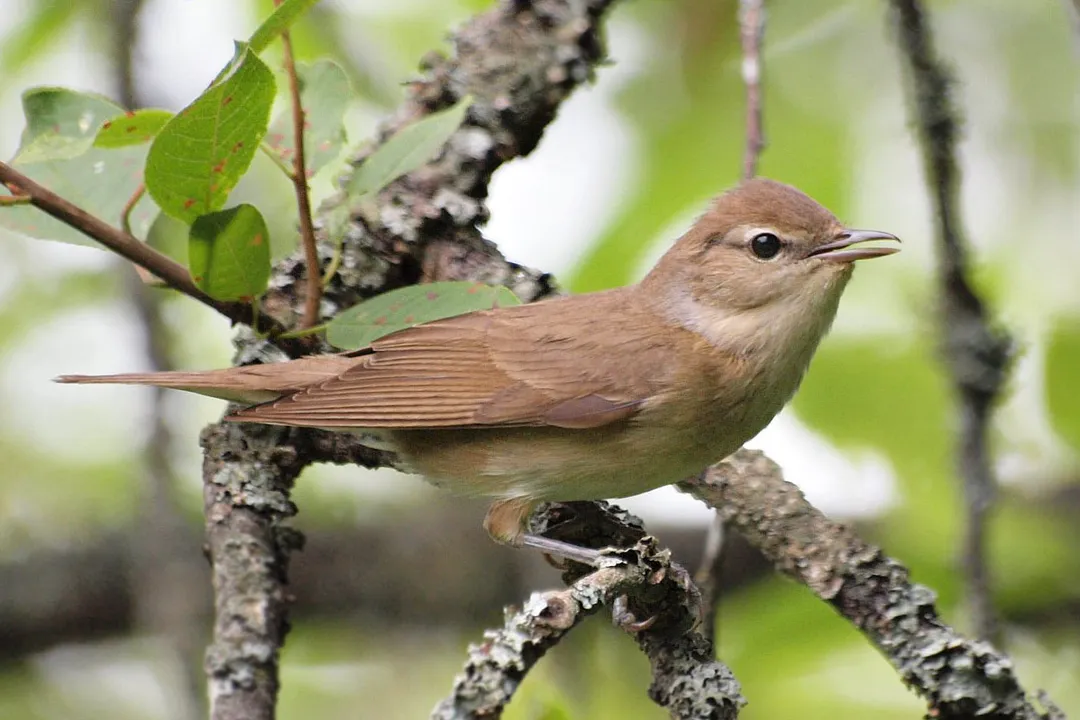
The term "warbler" often conjures images of small, energetic songbirds flitting through the canopy, but nailing down exactly which bird qualifies as a warbler depends entirely on the classification system being used, which has seen considerable revision over the years. At its simplest, "warbler" describes a broad collection of small passerine birds known for their complex and varied songs. However, ornithological consensus recognizes that the birds commonly called warblers do not form a single, neat evolutionary package. Instead, the name is applied to members of several distinct families scattered across the globe, most notably the New World warblers and the Old World warblers. Understanding their scientific classification requires tracing lineages, looking at genetics, and appreciating how taxonomy evolves.
# Broad Grouping
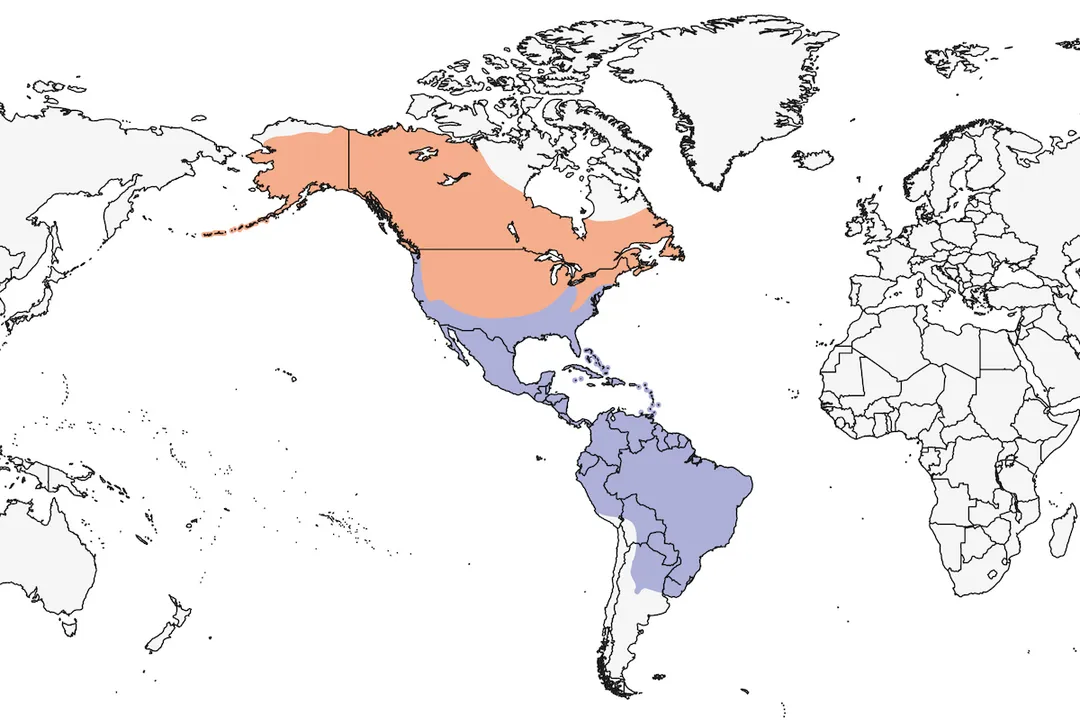
Historically, many small, insectivorous birds with similar habits and appearances were lumped together under the general umbrella of "warblers". This common name is more descriptive of ecological role and morphology than strict evolutionary relatedness. When people in North America refer to a warbler, they are most often thinking of species belonging to the family Parulidae, the New World warblers. Conversely, in Europe and Asia, the term frequently refers to birds in the family Sylviidae, the typical warblers, or related groups like leaf warblers. The confusion arises because these two major groups, Parulidae and Sylviidae, are not closely related, despite their superficial resemblance and shared ecological niche. The shared traits are largely a result of convergent evolution, where unrelated species evolve similar characteristics in response to similar environmental pressures, like foraging for insects in dense foliage.
# New World Lineage
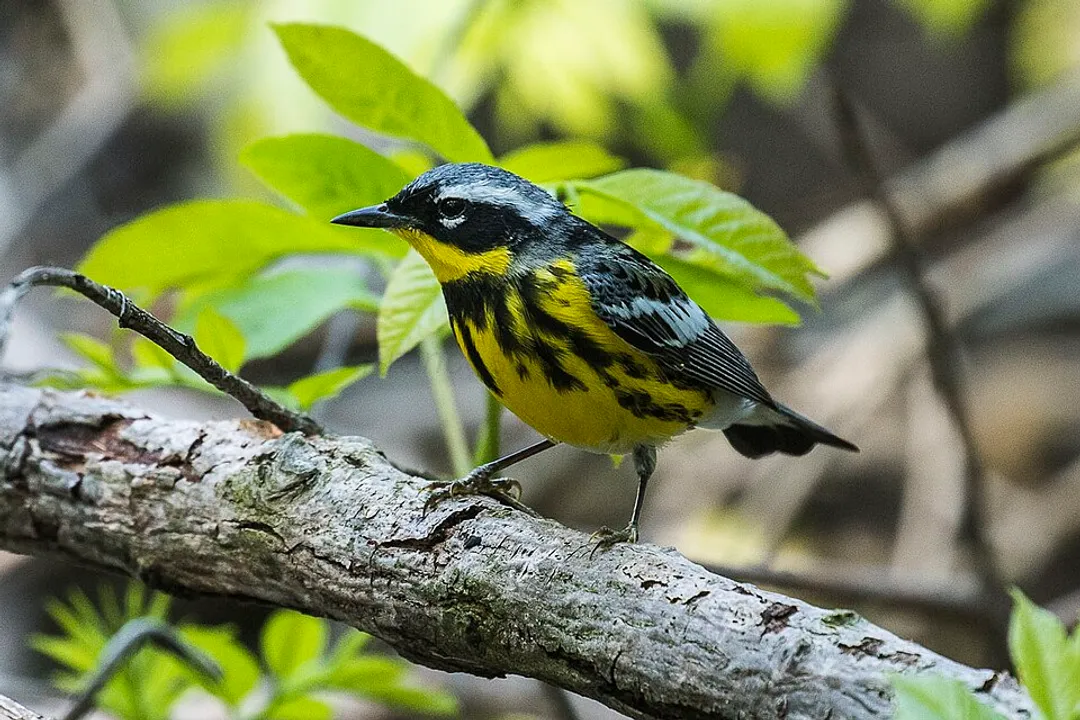
The New World warblers are formally classified within the family Parulidae. This group is incredibly successful and diverse in the Americas, boasting about 100 species. These birds are typically small, slender, and active foragers, often recognized by bright plumage patterns, though drabber species certainly exist. Their scientific classification places them within the superfamily Passeroidea, but their precise relationship to other passerines has been clarified through modern genetic studies. Many species within Parulidae are known for their extensive migratory habits, linking diverse ecosystems across continents.
The introduction to the Birds of the World account for Parulidae notes that while traditionally placed in the large, somewhat catch-all family Sylviidae, molecular studies decisively showed that New World warblers form a distinct lineage separate from the Old World groups. This split confirmed that the similarities between a Yellow Warbler (Setophaga petechia) and a Reed Warbler (Acrocephalus) are superficial, not ancestral. An example of this distinctness is seen in the way many Parulidae species build intricate, cup-shaped nests, often woven tightly into forks of branches, setting them apart behaviorally and structurally from some Old World counterparts. For instance, the Kirtland’s Warbler (Setophaga kirtlandii), critically dependent on young jack pine forests, exemplifies the specialized niche adaptations found within this family.
# Old World Taxonomy
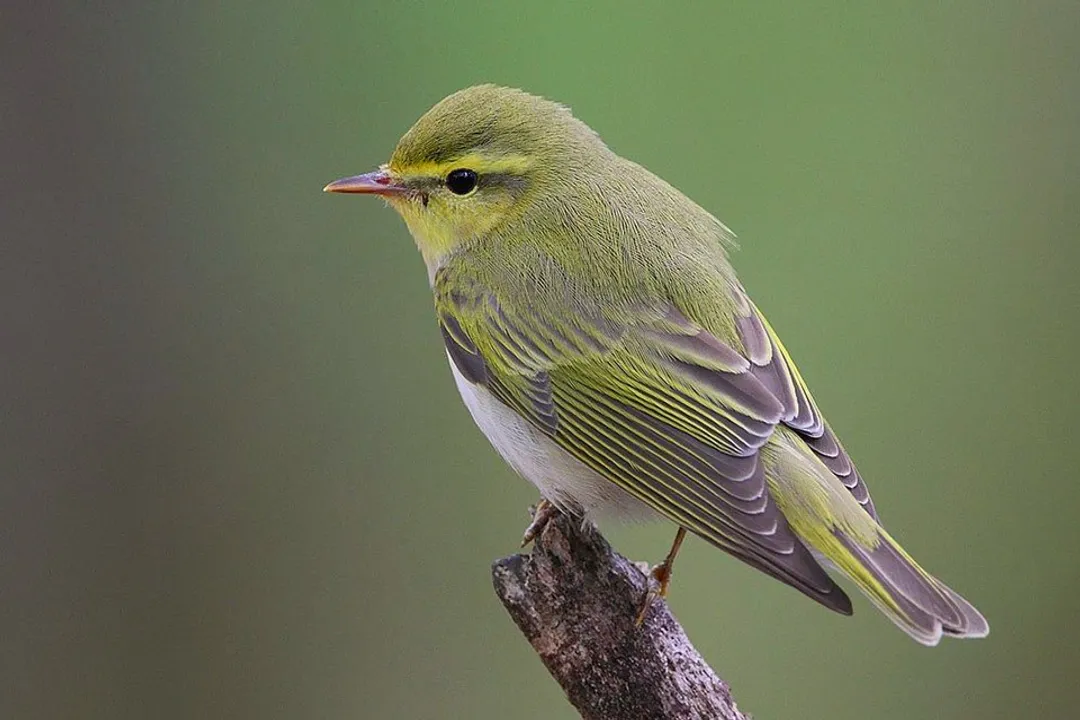
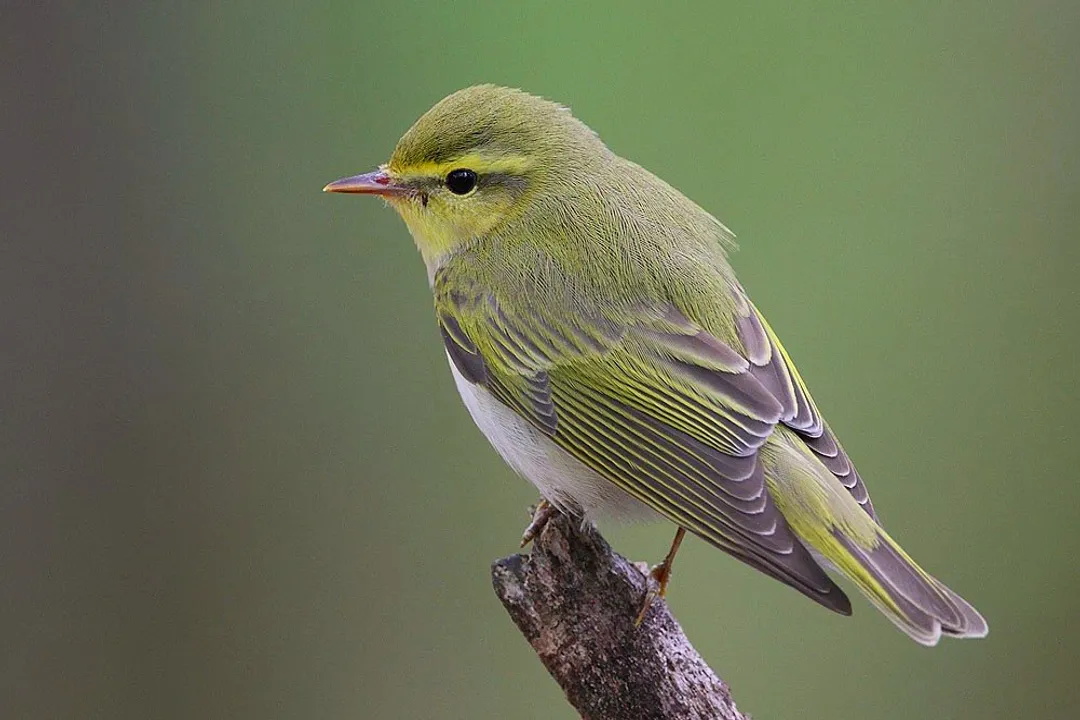
The classification of Old World warblers has been historically complex, involving several families that were once consolidated under the broad Sylviidae banner. The "typical warblers" are members of the family Sylviidae. However, as genetic sequencing became a standard tool in ornithology, it became clear that the traditional definition of Sylviidae was polyphyletic—meaning it contained species that didn't share a single recent common ancestor. This realization prompted significant taxonomic reorganization.
The group traditionally known as Sylviidae has largely been split into several smaller, more cohesive families based on molecular evidence. For instance, many of the small, secretive, brown warblers, like the Reed Warblers (Acrocephalus) and Marsh Warblers (Locustella), have been moved out of the core Sylviidae into families such as Acrocephalidae and Locustellidae, respectively. The true, remaining Sylviidae now tend to include species like the Whitethroats (Sylvia). When one encounters a warbler from Eurasia or Africa, its specific classification dictates which family tree it belongs to, showing a fragmented evolutionary history compared to the more tightly knit Parulidae.
# Molecular Revisions
The biggest shakeup in warbler classification came with the advent of molecular phylogenetic analysis. For much of the 20th century, classification relied heavily on external morphology—size, shape, bill structure, and plumage—which favored grouping birds with similar appearances. The Sibley-Ahlquist Songbird DNA-DNA Hybridization study, and subsequent DNA sequencing work, began to rigorously test these morphological groupings. A significant finding confirmed that the New World warblers (Parulidae) are not closely related to the Old World warblers (Sylviidae sensu stricto). Furthermore, the genetic data revealed that the former "Old World Warbler" group actually encompasses multiple lineages that diverged long ago. This means that the superficial similarities between a North American warbler and a European warbler are the product of similar ecological pressures acting on vastly different genetic backgrounds. The scientific understanding has shifted from grouping by 'look' to grouping by 'ancestry'.
# Classifying Major Warbler Lines
To clarify the disparate nature of birds labeled as warblers, it is helpful to visualize the primary families involved in the common nomenclature. Understanding where a specific species falls in this structure is key to appreciating its actual evolutionary relationship to other songbirds.
| Common Name Group | Scientific Family | Geographic Range | Key Distinction from Parulidae |
|---|---|---|---|
| New World Warblers | Parulidae | Americas | Distinct genetic clade, generally more colorful plumage |
| Typical Warblers | Sylviidae | Eurasia, Africa | Core group retaining the name, often includes Whitethroats |
| Reed/Marsh Warblers | Acrocephalidae/Locustellidae | Old World | Formerly lumped in Sylviidae; more secretive, grassy habitats |
This comparison reveals that if you are birding in Montana, the birds you see (Parulidae) belong to a family that shares a more recent ancestor with sparrows than it does with the typical warblers found in the United Kingdom. Conversely, studying a Sylvia warbler requires looking at a lineage separate from both the American forms and the Reed Warblers. It is worth noting that the sheer volume of species in the New World group (Parulidae) often leads researchers focusing on American ornithology to treat that family as the definitive "warbler" group for many practical purposes.
# Practical Identification Notes
Despite the deep scientific divisions in their classification, there remain certain practical characteristics that often signal a bird is being called a warbler by field guides, even across families. Generally, warblers are small, lack strong bills for cracking seeds (unlike finches), and have relatively fine, pointed bills suitable for gleaning insects from foliage, bark, or catching them in mid-air. They also frequently exhibit distinctive head patterns, eye-rings, or wing bars, though these features are not universal across the 400+ species that might carry the name globally. For instance, while the colorful plumage of many Parulidae is a hallmark, some Old World relatives rely more on subtle streaking or subdued greens and browns for camouflage. When observing a small, active insectivore in North America, noting the presence or absence of a strong, clear song—often a giveaway for many Parulidae—can be a quick way to focus your attention on the correct family identification while waiting for a better view of subtle field marks. Observing the foraging behavior is another useful, albeit non-taxonomic, shortcut: a bird meticulously picking insects off the underside of leaves high in the canopy is exhibiting classic warbler behavior, regardless of whether it is classified under Setophaga or Sylvia.
# Ongoing Classification Study
Taxonomic understanding is never entirely static, especially when dealing with large, widespread groups where migration patterns link disparate geographies. Research continues to refine the relationships within the recognized families, such as Parulidae, using ever-more-detailed genetic markers. The initial splits based on DNA-DNA hybridization in the late 20th century provided the broad outline separating New World from Old World groups, but subsequent studies focusing on mitochondrial and nuclear DNA provide fine-scale resolution within those families. This molecular work confirms ancestry but also sometimes reveals instances of convergent evolution even within a single family, meaning that two birds looking very similar might have evolved that way independently after diverging from their common ancestor within Parulidae. Because of this ongoing refinement, birders and field guides often present a classification that reflects the most accepted recent consensus, while acknowledging that a complete phylogenetic map is still being drawn.
Related Questions
#Citations
Typical warbler
Parulidae Browse by Family, All About Birds, Cornell Lab ...
Warbler - Meaning, Classification, Characteristics ...
Parulidae - New World Warblers
Warbler | Types, Habits & Migration
(Family) Warblers - Montana Field Guide
Ask Kenn: What Exactly Is a Warbler?
The new Wood-Warbler taxonomy
A comprehensive multilocus phylogeny for the wood- ...