What behavioral trait can often help focus identification on many Parulidae in North America?
Answer
The presence of a strong, clear song
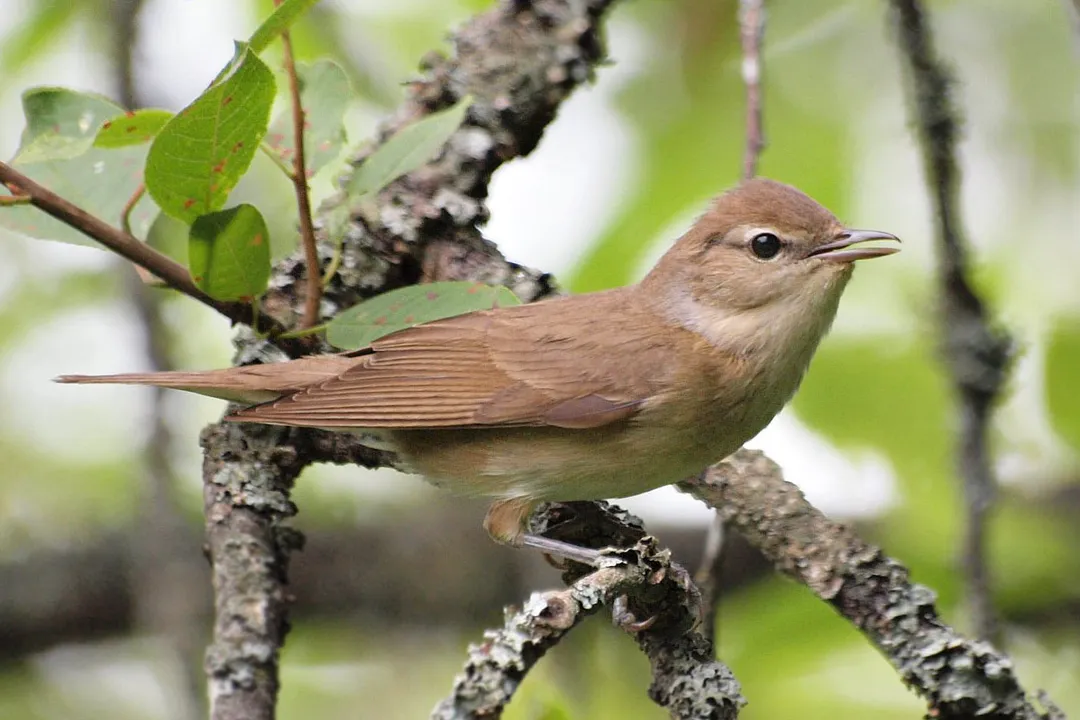
While deep scientific classification separates warblers into different families across continents, field identification often relies on practical shortcuts. For many species belonging to the Parulidae family in North America, a quick indicator that aids identification—even before a clear view of subtle field marks like eye-rings or wing bars is achieved—is the observation of a strong and clear song. This vocalization is frequently a hallmark of many New World warblers. Conversely, observing foraging behavior, such as meticulously picking insects off the underside of leaves high in the canopy, is another recognized classic warbler behavior that remains useful across different classified groups.
Related Questions
What causes the superficial resemblance between Parulidae and Sylviidae?Which family formally classifies the New World warblers?What heavily influenced warbler classification before molecular analysis?Which families absorbed species removed from the traditional Sylviidae definition?What specific habitat is the Kirtland’s Warbler (Setophaga kirtlandii) critically dependent upon?Where are the Reed Warblers (Acrocephalus) now classified following taxonomic reorganization?What distinguishes Parulidae nest building behavior from some Old World counterparts?Which group tends to remain in the core, true Sylviidae family after splits?Within which superfamily are the New World warblers (Parulidae) scientifically classified?What behavioral trait can often help focus identification on many Parulidae in North America?