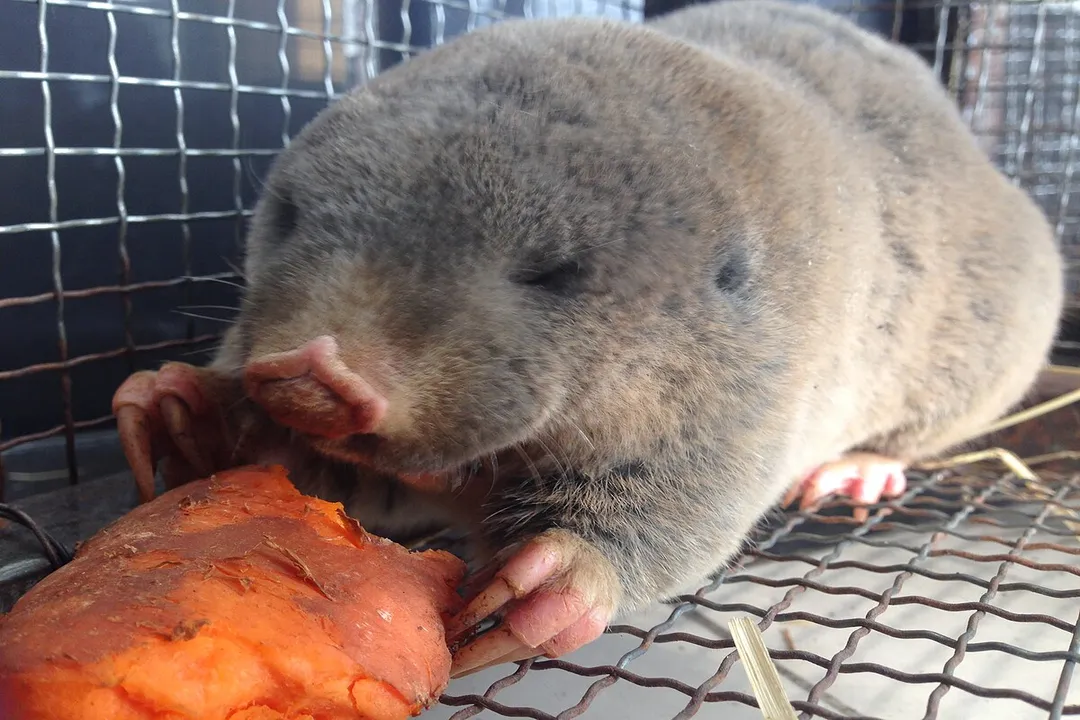
When Zokor species exhibit high sympatry without strong resource partitioning, what mechanism must enforce reproductive isolation?
Strong reproductive isolation relying on pre-zygotic barriers like timing of mating or different pheromonal cues.
A significant unresolved evolutionary question pertains to how speciation occurs in areas where multiple Zokor species coexist sympatrically, especially when their ecological niche—consuming roots and tunneling—does not offer strong selective pressure for partitioning resources. In such scenarios where ecological divergence is absent or minor, the continuation of distinct species requires robust reproductive isolation mechanisms to prevent hybridization. This isolation typically manifests through pre-zygotic barriers, such as differences in the timing of reproductive readiness or distinct chemical signals like pheromones used for mate recognition.