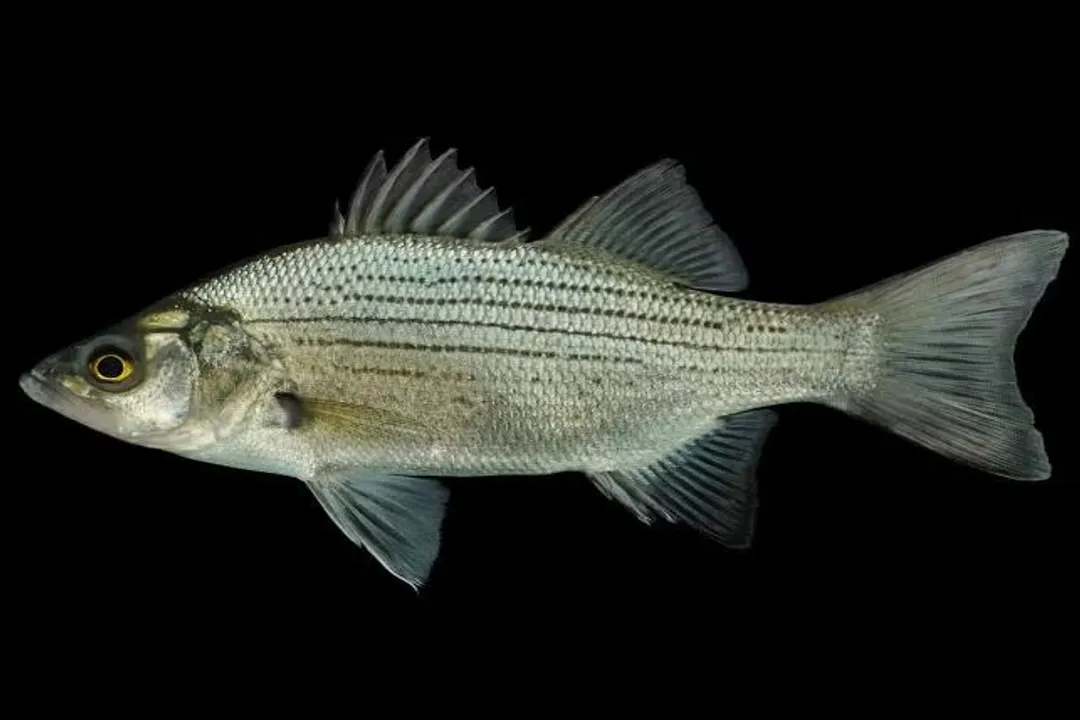
When white bass are forced to hunt deep below the surface, what primary sense replaces visual strikes?
Detecting vibrations and pressure waves
While white bass prefer the visual spectacle of surface feeding, environmental conditions such as cold temperatures or deep, clear water can push their primary prey, like shad, to significant depths, forcing the bass to follow. When hunting in these deeper, less visible zones—perhaps near a thermocline layer—the reliance on sight decreases substantially. In these situations, the feeding strategy adapts to rely heavily on mechanoreception. The white bass become adept at detecting the subtle vibrations and pressure waves generated by the collective movement of a dense school of baitfish, allowing them to locate and target prey without needing a clear visual confirmation of the individual fish breaking the surface.