Yellow Bass Diet

The yellow bass, often overshadowed by its larger cousins like the white bass, maintains a distinct and evolving diet throughout its relatively short lifespan. Understanding what Morone mississippiensis consumes is key to locating these schooling fish, whether you are seeking a quick bite or trying to understand population dynamics in a given lake or river system. These fish are known for forming large schools and, depending on the water body, can reach high densities, which ties directly into their feeding strategies.
# Young Intake
The earliest dietary needs of the yellow bass are met almost entirely by the smallest available organisms in the water column and substrate. For young-of-the-year fish, the focus is heavily skewed toward invertebrates. In studies conducted in Clear Lake, Iowa, the principal foods for these younger specimens included entomostracans, chironomids (midge larvae), and Hyalella sp., which are small freshwater shrimp, often called scuds.
Within the entomostracans category, specific zooplankton like copepods were found to be eaten by nearly 88% of the young fish analyzed in one summer study, while cladocerans were present in about half the samples. Interestingly, even when Hyalella sp. were abundant and readily accessible, they did not always rank as the primary food source, though their consumption increased in later years of comparative studies. For yellow bass smaller than about 1.5 inches total length in North Twin Lake, crustaceans dominated the diet entirely before a dietary shift began. This initial specialization ensures the rapid development needed for the young fish to transition into the next feeding phase.
# Mature Menu
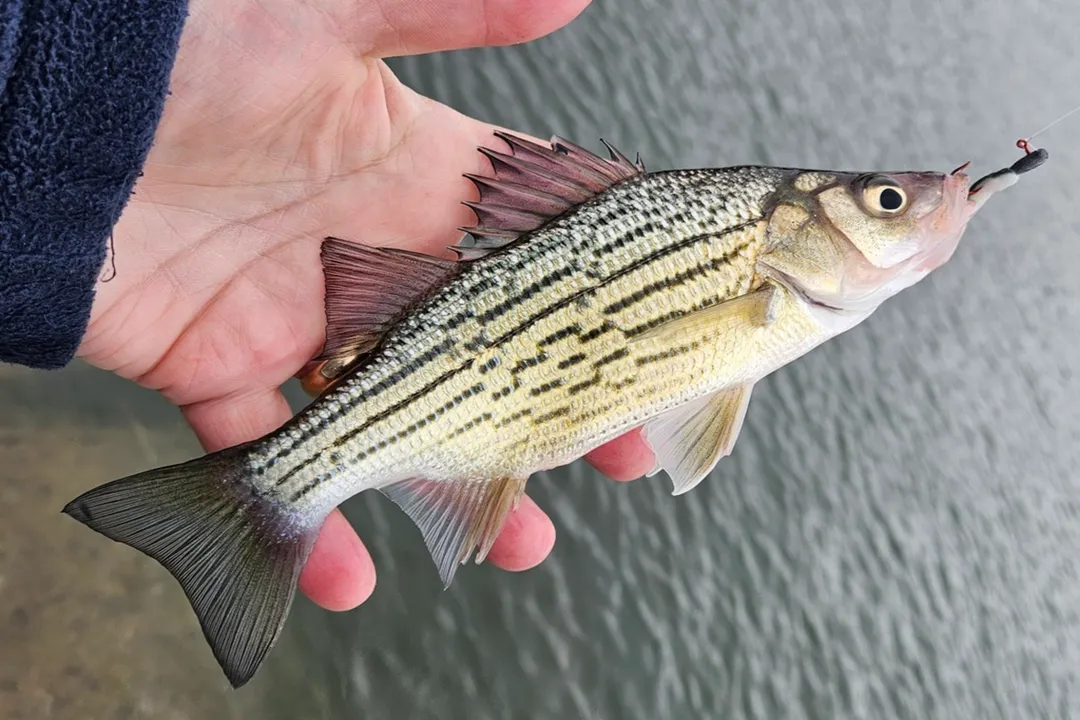
As yellow bass mature, a notable switch occurs, reflecting a shift toward more substantial, protein-rich prey, generally characterized by an increase in piscivory (fish eating). While the shift to small fish is often associated with periods of most rapid growth in Yellow Bass populations, this connection isn't always linear across all water bodies. In a study of an oxbow lake on the lower Mississippi River, the diet of older bass (age-2+) was weighted heavily by fish, fish eggs, amphipods, and benthic insects, comprising over 70% of the diet by weight.
However, it is important to recognize that the diet is rarely exclusive. Even older fish maintain a consistent intake of aquatic insects and small crustaceans alongside their fish meals. In one review of older Clear Lake specimens, immature insects were found in 81% of stomachs containing food, with Diptera (flies, including tendipedids, also known as bloodworms) being the most frequent insect found. Caddisfly larvae (Trichoptera) were the second most important insect group noted.
# Food Items
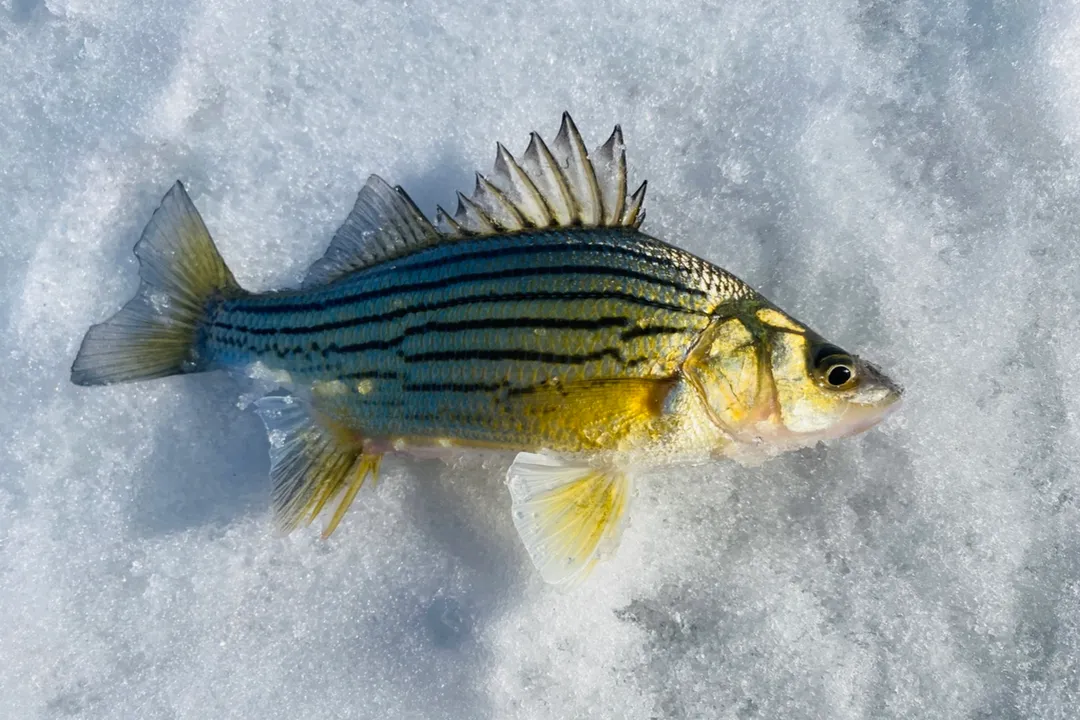
To visualize the difference between life stages and compare findings across different locations and times, it becomes clear that the diet composition fluctuates significantly, particularly concerning the inclusion of fish.
| Food Group | Young/Juvenile Dominance | Adult/Older Fish Inclusion | Primary Location/Context |
|---|---|---|---|
| Entomostracans (Copepods, Cladocera) | High reliance; majority of early diet | Still present, but less dominant | Clear Lake studies, general invertebrate base |
| Chironomids/Benthic Insects | Significant component for young fish | Important, especially bloodworms in muddy bottoms | Bottom-feeding association |
| *Amphipods (Hyalella sp.)* | Frequently consumed by juveniles | Included in older fish diet | Readily accessible invertebrates |
| Small Fish | Minimal or absent | Predominant food source when available | Associated with faster growth periods |
| Fish Eggs | Accounted for a significant portion of biomass for age-1 fish in one study | Present in older fish diet | Potential source of intraspecific predation |
It is worth noting that while minnows are considered the best live bait for catching yellow bass, using them runs the risk of also attracting other species like crappie, catfish, and largemouth bass. This suggests that artificial lures mimicking smaller prey might offer better selectivity in certain situations.
# Activity Rhythm
The timing of feeding is just as relevant as the composition of the meal. Yellow bass exhibit a distinct preference for low-light periods. Multiple studies have pointed to heavy feeding activity occurring between dusk and the early morning hours, often peaking between 8 p.m. and 4 a.m.. One analysis noted that the average fullness of stomachs peaked around 6 p.m., with the highest actual feeding period likely occurring between 2 a.m. and 8 a.m.. This crepuscular pattern—being most active at dawn and dusk—means anglers targeting them should adjust their most aggressive fishing efforts to these low-light windows, rather than relying on midday activity.

# Diet and Stunting Connection
The sheer numbers that yellow bass can achieve in a system, often due to their prolific spawning habits, directly impact their food availability and, subsequently, their growth rates. When water levels in Clear Lake stabilized and improved, faster growth was observed, which historically correlated with a diet high in small fish. In environments where population density remains unchecked, the abundant supply of invertebrates and small fish gets rapidly consumed by the massive schools, leading to stunting—where fish remain small despite reaching maturity—because the available food resources simply cannot sustain faster growth for the entire population. This dynamic highlights that while the type of food changes with age, the quantity relative to the population size dictates the health and size of the fish you catch.
If you are targeting these fish in waters where they are known to be stunted, understanding their reliance on benthic invertebrates like bloodworms—which thrive in mucky, low-oxygen bottoms—becomes a critical piece of local knowledge. Since they spend much of their time near the bottom feeding on these items, an angler paying close attention to the bottom substrate, perhaps with the aid of a depth finder to locate those firm or mucky flats between 10 to 20 feet deep, will be mimicking the primary food source when natural prey becomes scarce. Furthermore, using light tackle and keeping that presentation, whether it's a small jig or live bait, within six inches of that bottom composition is the best way to intercept their feeding rhythm effectively.
Related Questions
#Citations
Yellow Bass | Mississippi Department of Wildlife, Fisheries, and Parks
Yellow Bass - Fish Species Guide - BadAngling
Yellow Bass | Department of Natural Resources - Iowa DNR
Morone mississippiensis : Yellow Bass | Rare Species Guide
Yellow bass - Wikipedia
[PDF] Food Habits of the Yellow Bass, Roccus mississippiensis, Clear ...
Morone mississippiensis (Bass) - Animal Diversity Web
Yellow Bass | Nebraska Invasive Species Council
Learn About the Yellow Bass – Fishing | Guidesly
Diet Ecology of Yellow Bass, Morone mississippiensis, in an Oxbow ...