White Bass Scientific Classification
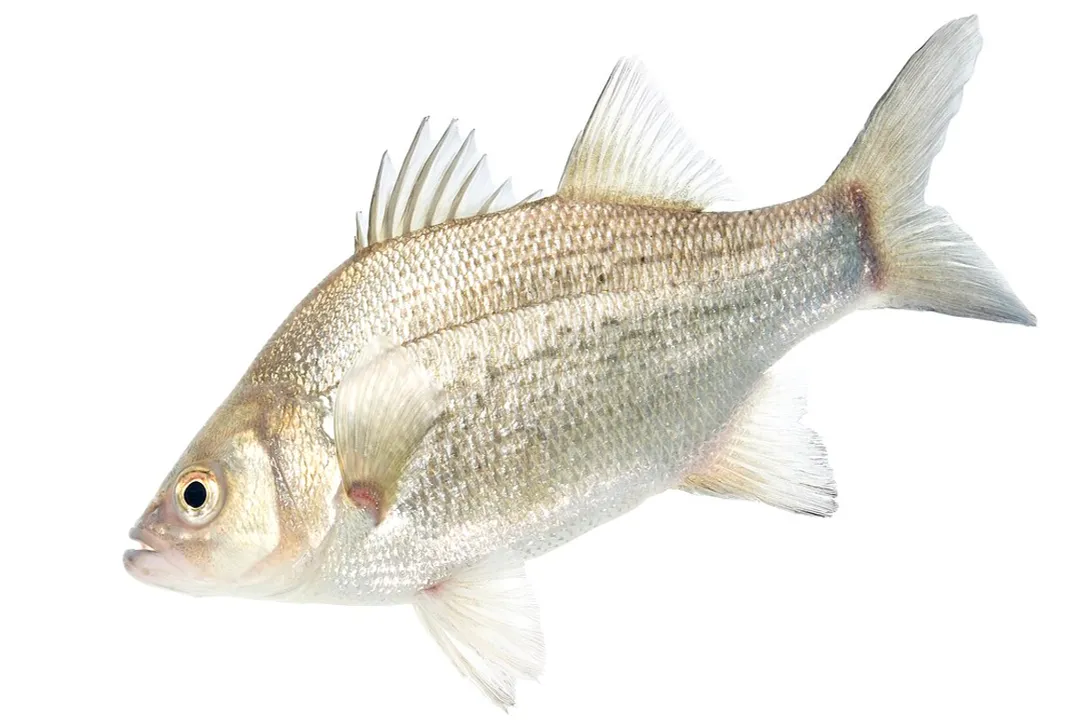
The scientific classification of the White Bass, Morone chrysops, serves as a detailed biological address, placing this popular North American sport fish precisely within the vast web of life. To understand this fish fully, we must trace its lineage from the broadest biological realms down to its specific species designation, revealing its closest relatives and unique evolutionary path. [1][3]
# Broad Placement
The journey begins at the top of the hierarchy. The White Bass belongs to the Kingdom Animalia, signifying it is a multicellular, heterotrophic organism, and the Phylum Chordata, indicating the presence of a notochord at some stage of development. [1] Moving down, its Class is Actinopterygii, which encompasses the ray-finned fishes, the largest group of extant fishes, characterized by bony, radiating spines supporting their fins. [1] This places it far removed from creatures like sharks or lungfish, immediately situating it among the majority of the fish we commonly encounter. [1]
# Order Perciformes
Within the Class Actinopterygii, the White Bass falls into the Order Perciformes. [1] This order is massive and incredibly diverse, often referred to as the perch-like fishes. [1] While the membership list for Perciformes is long and subject to ongoing taxonomic review—sometimes incorporating fishes previously placed elsewhere—it generally includes many familiar groups like true perches, sunfish, cichlids, and many marine species. [1] It is fascinating to note that the Order Perciformes contains nearly 40% of all known fish species, making this step in the classification process quite broad, grouping the White Bass with a staggering array of aquatic life before the classification narrows significantly. [1]
# Family Temperate Bass
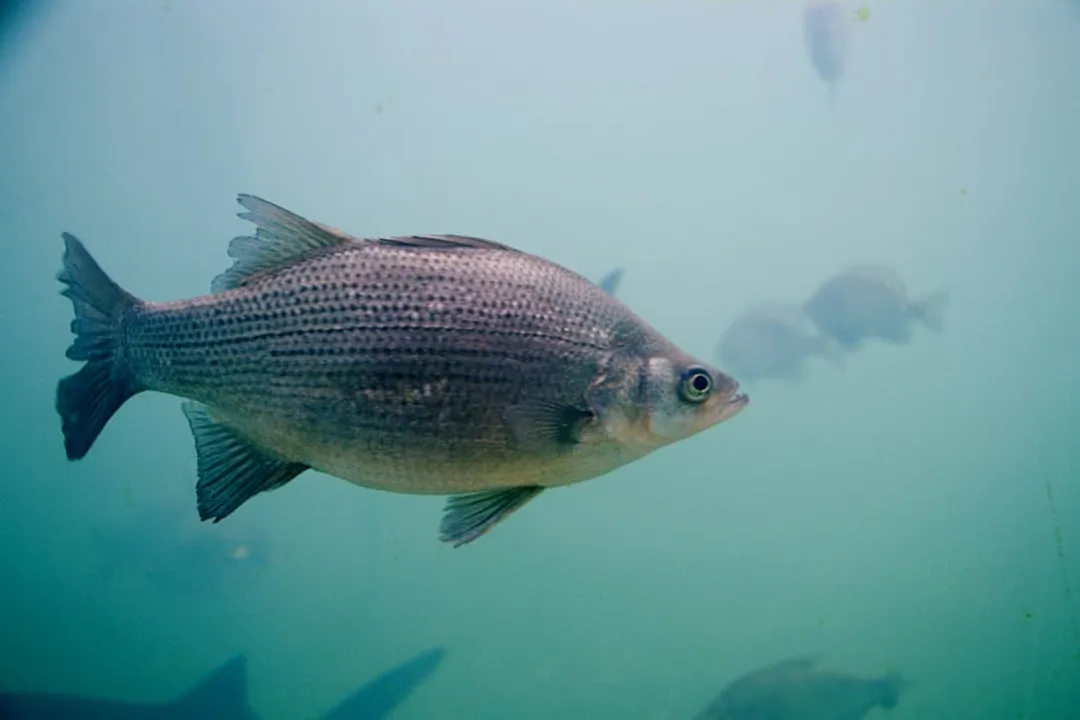
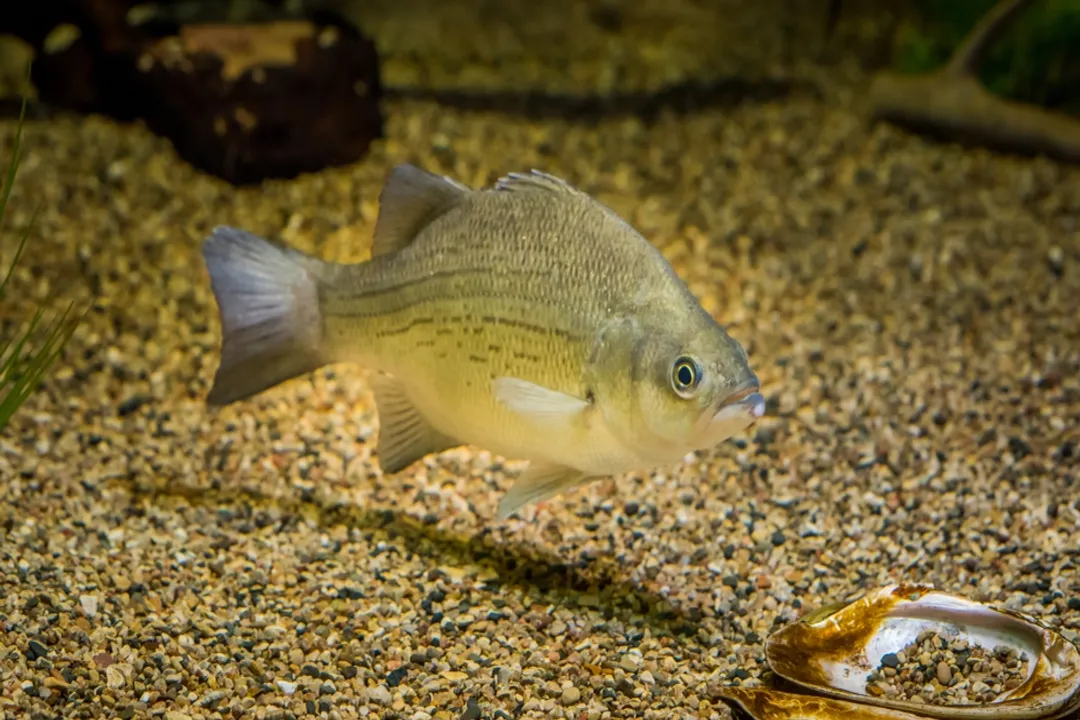
The classification becomes much more focused at the Family level, where Morone chrysops is placed in Moronidae, commonly known as the temperate basses. [1][4] This grouping is relatively small, containing only four species in North America: the White Bass, the Striped Bass (Morone saxatilis), the Yellow Bass (Morone mississippiensis), and the White Perch (Morone americana). [1] Being placed in Moronidae means the White Bass shares key morphological characteristics with these specific relatives, distinguishing them from true perches (Percidae) or sea basses (Serranidae), even though they may look superficially similar or inhabit similar environments. [1] Understanding this family designation is critical because it immediately signals the potential for hybridization among these four species, a common occurrence in the Morone genus where environmental pressures or shared spawning times allow for interbreeding. [1]
# Genus Grouping
The next defining level is the Genus, Morone. [1] This genus encompasses all the temperate basses mentioned above. [1] While the White Bass is the focus, examining its genus-mates provides context for its specific ecological niche. For example, the Striped Bass is an anadromous species (migrating from salt to fresh water to spawn), whereas the White Bass is typically restricted to fresh water, although some populations may move between fresh and brackish environments depending on the river system. [2][1] The placement in Morone confirms that the White Bass is genetically and evolutionarily distinct from other fish sometimes called "bass" but belonging to different families, such as largemouth bass in the Centrarchidae family. [1]
# Species Definition
The species designation is Morone chrysops. [1] This binomial name, established by Linnaeus, provides the ultimate specificity for identification. [1] The common name, White Bass, is widely used, though it is also sometimes referred to as Silver Bass. [2][5]
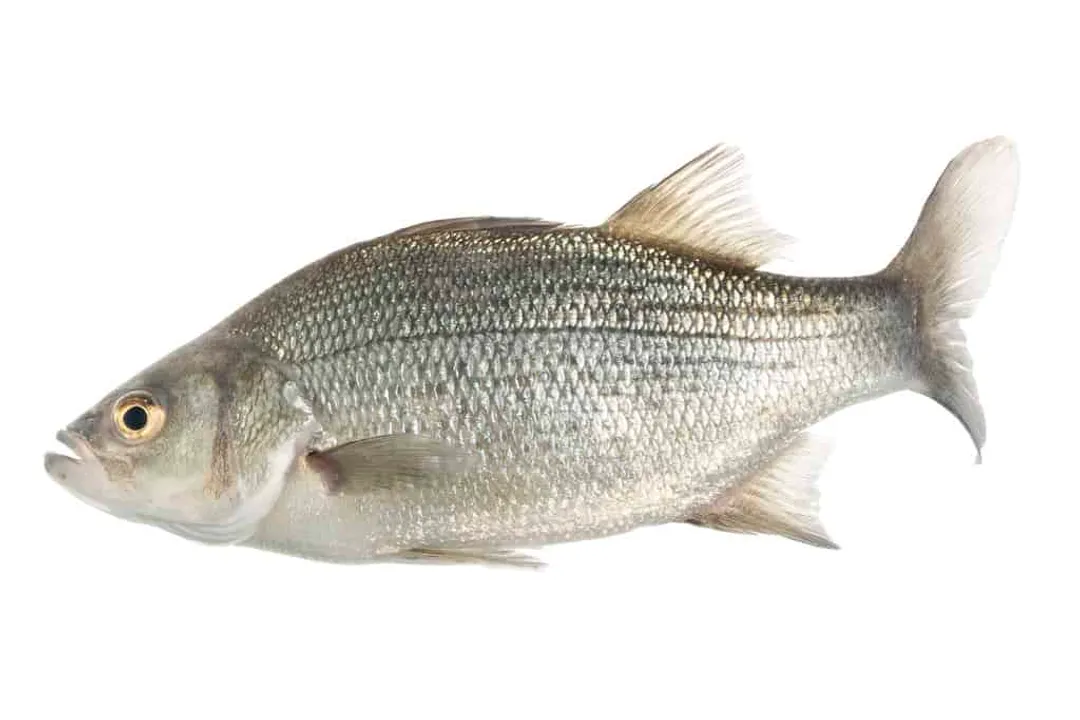
Delving into the species name itself offers a hint about its appearance. While "White Bass" focuses on its overall silvery body coloration, the specific epithet chrysops translates roughly to "golden eye" or "yellow face" in Greek. [1] This detail is important because many anglers notice the distinct yellow-to-golden coloration around the eye or gill area, particularly in mature males, which contrasts slightly with the pure silver sides, a feature easily overlooked when only using the common moniker. [1] This contrast between the common name and the species epithet highlights how scientific nomenclature often captures subtle diagnostic features that common names might miss or generalize [Original Insight 2].
# Synthesis and Comparison
To fully appreciate the classification, it helps to visualize the entire ladder of identification:
| Rank | Classification |
|---|---|
| Kingdom | Animalia |
| Phylum | Chordata |
| Class | Actinopterygii |
| Order | Perciformes |
| Family | Moronidae |
| Genus | Morone |
| Species | Morone chrysops |
When contrasting M. chrysops with its closest relative, the Striped Bass (M. saxatilis), the classification tells us they are genetically very close, sharing the same genus and family, which explains why hybridization is biologically possible. [1] However, their ecological roles and habitat preferences—one strictly freshwater, the other anadromous—have resulted in distinct evolutionary paths that keep them separate species, or in some cases, lead to fertile hybrids in areas where their ranges overlap. [1]
Furthermore, considering the native range versus introduced populations provides an interesting, non-taxonomic application of this identification. While Morone chrysops is native to the Mississippi River basin and the Great Lakes region, [1][2] its reputation as a fast-growing, hard-fighting game fish has led to its introduction elsewhere. [1] Understanding its precise classification ensures that when stocking or monitoring populations outside its native range, authorities are tracking the correct species, especially crucial when dealing with concerns regarding invasive species potential in non-native watersheds. [6] Monitoring fish populations using their scientific names, Morone chrysops, ensures accuracy across international borders and research publications, even if local vernacular names shift. [3] This rigorous naming system is the bedrock of consistent fisheries management. [2]
Related Questions
#Citations
White bass
White Bass (Morone chrysops) | U.S. Fish & Wildlife Service
Morone chrysops (Bass) | INFORMATION
White Bass (Morone chrysops (Rafinesque, 1820))
White Bass (Morone chrysops) - Species Profile
Morone chrysops - White Bass
White Bass Fish Facts - Morone chrysops
White Bass
White Bass (Morone chrysops (Rafinesque, 1820))
white bass - Illinois Department of Natural Resources