After consuming zooplankton, what do juvenile white bass begin to incorporate into their diet?
Answer
Small insects
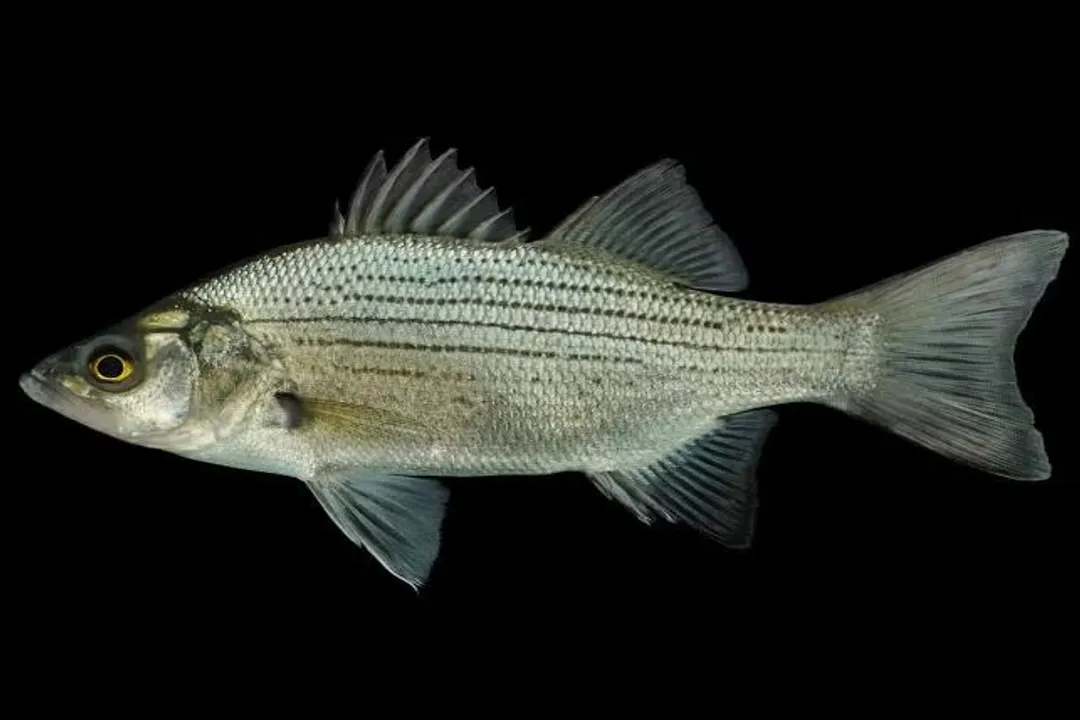
The development of the young white bass involves a steady progression in their feeding habits, reflecting their increasing size and predatory capability. Following the initial reliance on static, microscopic food sources like zooplankton and minute invertebrates present in the water column, the juvenile fish start to shift their intake. This transitional phase involves the incorporation of small insects into their routine meals. This gradual step-up demonstrates the species' inherent predatory drive developing early on, as they move toward consuming prey that requires slightly more active pursuit rather than simply ingesting whatever is immediately available in the water surrounding them.
Related Questions
What constitutes the initial diet of newly hatched white bass fry?What dietary classification describes mature white bass feeding primarily on other fish?Which two baitfish species are cited as the most consistent staples in the adult white bass diet?What specific action, created when white bass drive baitfish toward the surface, is visible to anglers?After consuming zooplankton, what do juvenile white bass begin to incorporate into their diet?When white bass are forced to hunt deep below the surface, what primary sense replaces visual strikes?The health and size of the white bass population directly correlates with the availability of which food source?What crucial location principle should anglers prioritize when attempting to successfully target white bass?What is the primary advantage of the white bass's renowned schooling behavior during a hunt?What do the largest white bass specimens largely forget in favor of the caloric density of fish flesh?