White-Crowned Sparrow Diet

The diet of the White-crowned Sparrow shifts remarkably throughout the year, reflecting a pragmatic adaptation to the fluctuating availability of nutrition across its varied North American range. [1][3] These birds, known for their distinctive head stripes, are classic ground foragers, and their menu leans heavily on seeds when insects are scarce, but pivots dramatically to protein when fuel is needed for nesting and raising young. [1][9]
# Seasonal Shifts
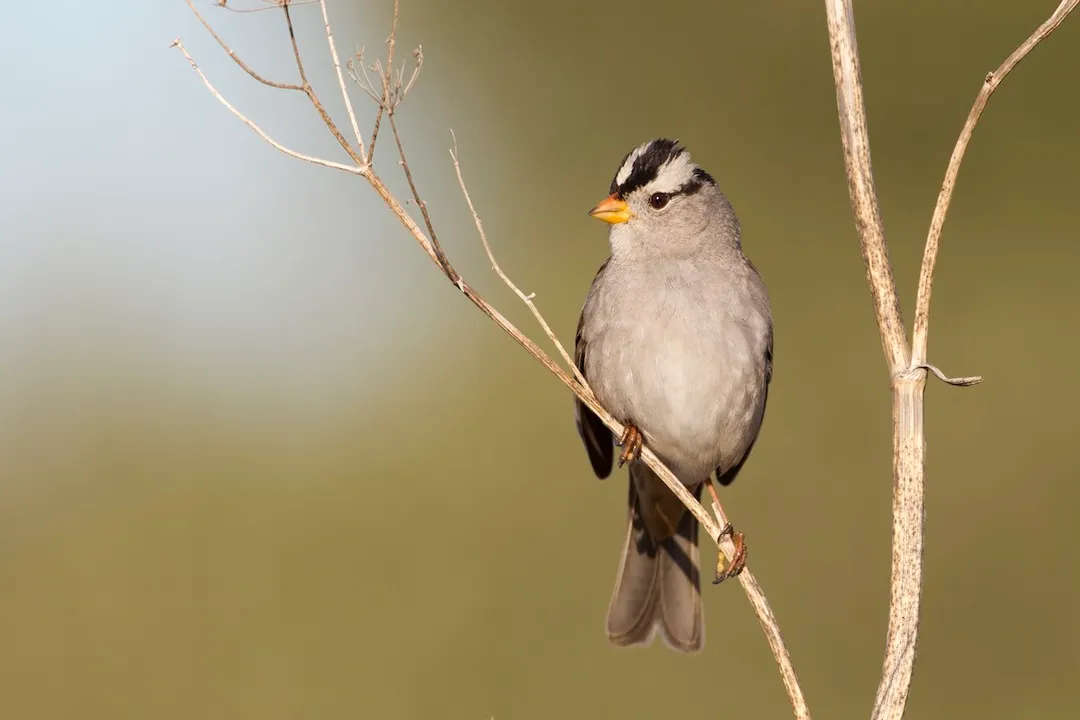
The most defining characteristic of the White-crowned Sparrow's feeding strategy is its plasticity, demonstrated by the major dietary transition between the non-breeding and breeding seasons. [3] During the winter months, or whenever they are not actively nesting, seeds and grains form the overwhelming majority of their caloric intake. [1][3] This shift is an energy management strategy; seeds, especially those from grasses and weeds, provide the dense carbohydrates and fats necessary for surviving cold weather and long migrations. [3][5]
As spring approaches and breeding activity begins, the balance tips sharply toward animal matter. [1] Insects and other arthropods become essential, providing the high levels of protein required for egg production in females and rapid growth in nestlings. [1][3] This dependency on animal protein for chick-rearing is common among many sparrow species, but for the White-crowned, the reliance is starkly evident in the shift from a nearly 100% vegetarian diet in winter to one supplemented heavily with insects in summer. [5] Consider the energetic demands: transitioning from digesting slow-burn seed carbohydrates to rapidly utilizing insect protein for tissue building is a significant metabolic undertaking that requires an acute sense of environmental cues to time correctly. [3]
# Seed Selection
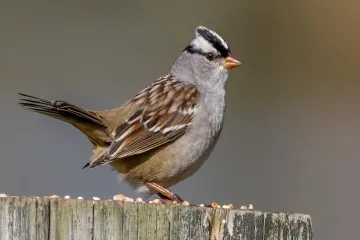
When seeds are the primary food source, White-crowned Sparrows are not overly picky, demonstrating an opportunistic nature. [3] Their preference leans toward the seeds of grasses and weeds, which are often abundant on the ground during late fall and winter. [3] They will actively pick through leaf litter and debris to find fallen nourishment. [4]
Specific seed types that frequently appear in their winter diet include small grains, sunflower fragments, and various weed seeds. [7][3] While they will certainly visit feeders placed in their habitat, they are generally observed pecking at seeds that have already fallen onto the ground or scattered near the base of a feeder, rather than clinging acrobatically to hanging feeders like some other bird species. [4][9] This ground-feeding habit means that seed scattering—either accidental or intentional—is a key factor in making a yard attractive to them during colder months. [4]
# Insect Diet
The consumption of invertebrates is most pronounced from approximately May through July, coinciding with the nesting cycle. [3] During this time, the diet of the adult birds—and especially the developing fledglings—is heavily supplemented with protein-rich fare. [1]
The arthropods they target are varied and include:
- Beetles: A common invertebrate food source across many bird groups. [3]
- Grasshoppers and Crickets: Larger prey items that offer substantial energy return. [3][5]
- Caterpillars: Essential soft-bodied larvae favored for easy digestion by young birds. [3]
- Spiders: An easy-to-catch, high-protein staple. [5]
In some analyses of breeding season diet, seeds might still account for perhaps 20% to 40% of their intake, but the majority shifts to insects and other small animals. [5][3] This contrasts sharply with the winter months where insects might drop to less than 5% of their total caloric intake. [1]
# Other Foods
While seeds and insects form the backbone of the White-crowned Sparrow diet, they are known to consume other plant matter when available, particularly fruits and berries during late summer and early fall. [3] These fleshy fruits provide important sugars and moisture as the birds prepare for migration or overwintering. [3] They may also occasionally consume small agricultural grains or even very small vertebrates, though this is infrequent. [5]
# Foraging Style
Understanding how the White-crowned Sparrow eats is as important as understanding what it eats, especially for those interested in bird feeding. [4] These sparrows are predominantly terrestrial feeders. [9] They spend a great deal of time walking or scratching on the ground beneath shrubs, bushes, and low vegetation, probing into the leaf litter. [4][9] They are generally not considered high-climbing birds when feeding, preferring to remain near the ground level where they are most comfortable and secure from certain predators. [1]
When visiting bird feeders, they often wait for other, bolder birds to dislodge seeds onto the ground before descending to eat. [7] If you observe them at a hopper feeder, they often perch on the bottom tray rather than clinging to the side slots meant for finches or chickadees. [4] For optimal attraction, placing seed on a low platform or directly on the ground in a relatively sheltered, open area mimics their natural feeding substrate better than specialized hanging feeders. [4]
To maximize the availability of preferred items during the times they are most needed, consider the local environment. In many western or dry regions, native annual grass seeds become available precisely when breeding is ending, providing a perfect bridge diet before winter sets in. In contrast, eastern populations might rely more heavily on cultivated grain spills or reliable perennial weed seed heads left standing. [9] The key is recognizing that the landscape dictates the precise mix of available seeds and insects at any given moment, and the bird adjusts accordingly. [3]
# Garden Attraction
Providing appropriate sustenance is the best way to encourage White-crowned Sparrows to frequent a garden, especially during migration or winter. [4][7] Since they prefer ground feeding, the type of feeder matters less than the type of seed spilled beneath it. [4]
High-quality seed mixes that are known attractants include:
- Black Oil Sunflower Seed (Cracked or Hulled): A high-fat favorite, though they often prefer the smaller pieces or fragments that drop from feeders. [7]
- Millet: White proso millet is frequently consumed by ground-feeding sparrows. [3]
- Cracked Corn: Especially appreciated during harsh winter conditions. [3]
It is worth noting that while they appreciate seeds, they are also deterred by intense activity. They are naturally somewhat shy and will avoid areas that feel too exposed or chaotic. [4] Placing feeding stations near protective cover, such as dense shrubs or evergreens, allows them to quickly retreat if startled, making them more comfortable staying to forage. [4] This preference for proximity to cover means that a feeder placed right next to a thick bush offers more security than one in the middle of a wide-open lawn. [9]
For birders observing these birds in urban or suburban settings, remembering the seasonal switch is vital. If you see them in July, they are hunting spiders and caterpillars; if you see them in January, they are diligently cracking open millet husks or scavenging spilled sunflower chips. [1][3] This dietary flexibility is a testament to their successful colonization of diverse habitats across the continent. [5]
Related Questions
#Citations
White-crowned Sparrow Life History - All About Birds
White-crowned Sparrow | Audubon Field Guide
Diet and Foraging - White-crowned Sparrow - Zonotrichia leucophrys
White crowned Sparrow, Zonotrichia leucophrys - Las Pilitas Nursery
Zonotrichia leucophrys (white-crowned sparrow) | INFORMATION
White-crowned sparrow migration patterns and habits - Facebook
Fun Facts About White-crowned Sparrows - HERE Fall & Winter
[PDF] White-crowned Sparrow Zonotrichia leucophrys
White-crowned Sparrow - Zonotrichia leucophrys - NatureWorks