What do the largest white bass specimens largely forget in favor of the caloric density of fish flesh?
Answer
Crustaceans and insects
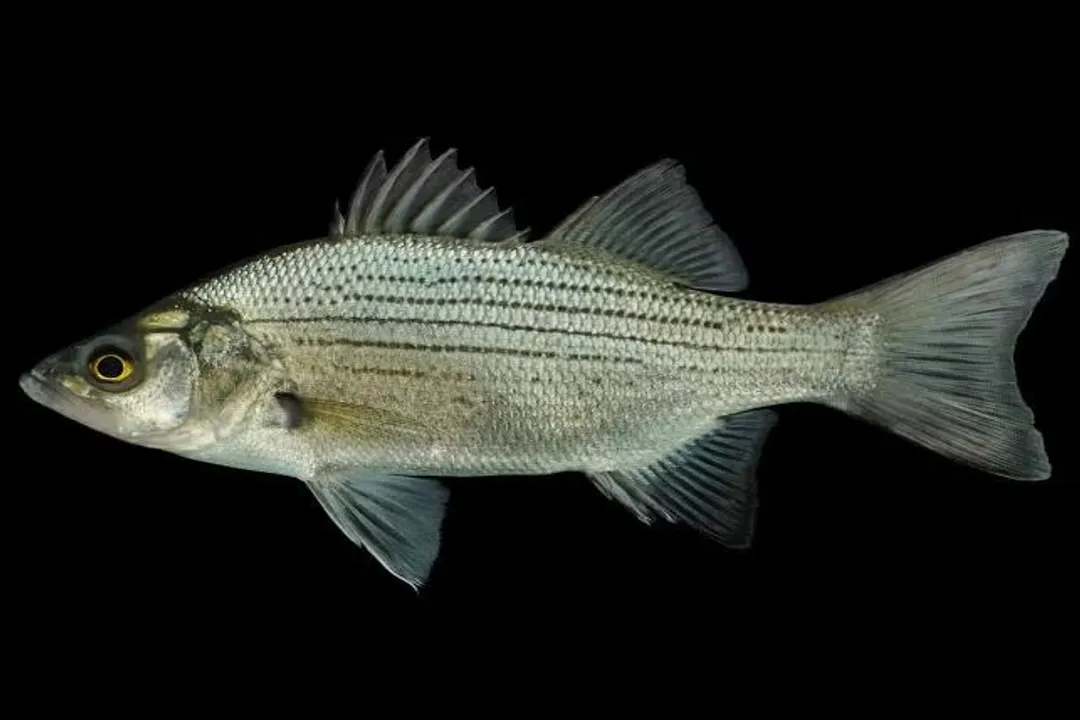
As white bass mature and reach their maximum size, their energy demands necessitate consuming the most calorically dense food available in their environment, which is other fish. This specialization results in a significant downsizing of their secondary food preferences. While younger adults might still consume secondary items like insects or crustaceans that are encountered during their feeding pursuits, the largest, most dominant specimens tend to completely deprioritize these less energy-rich food sources. They effectively reserve their feeding efforts exclusively for actively pursuing and consuming baitfish, rendering crustaceans and insects tertiary or irrelevant to their overall nutritional intake.
Related Questions
What constitutes the initial diet of newly hatched white bass fry?What dietary classification describes mature white bass feeding primarily on other fish?Which two baitfish species are cited as the most consistent staples in the adult white bass diet?What specific action, created when white bass drive baitfish toward the surface, is visible to anglers?After consuming zooplankton, what do juvenile white bass begin to incorporate into their diet?When white bass are forced to hunt deep below the surface, what primary sense replaces visual strikes?The health and size of the white bass population directly correlates with the availability of which food source?What crucial location principle should anglers prioritize when attempting to successfully target white bass?What is the primary advantage of the white bass's renowned schooling behavior during a hunt?What do the largest white bass specimens largely forget in favor of the caloric density of fish flesh?