White Bass Diet
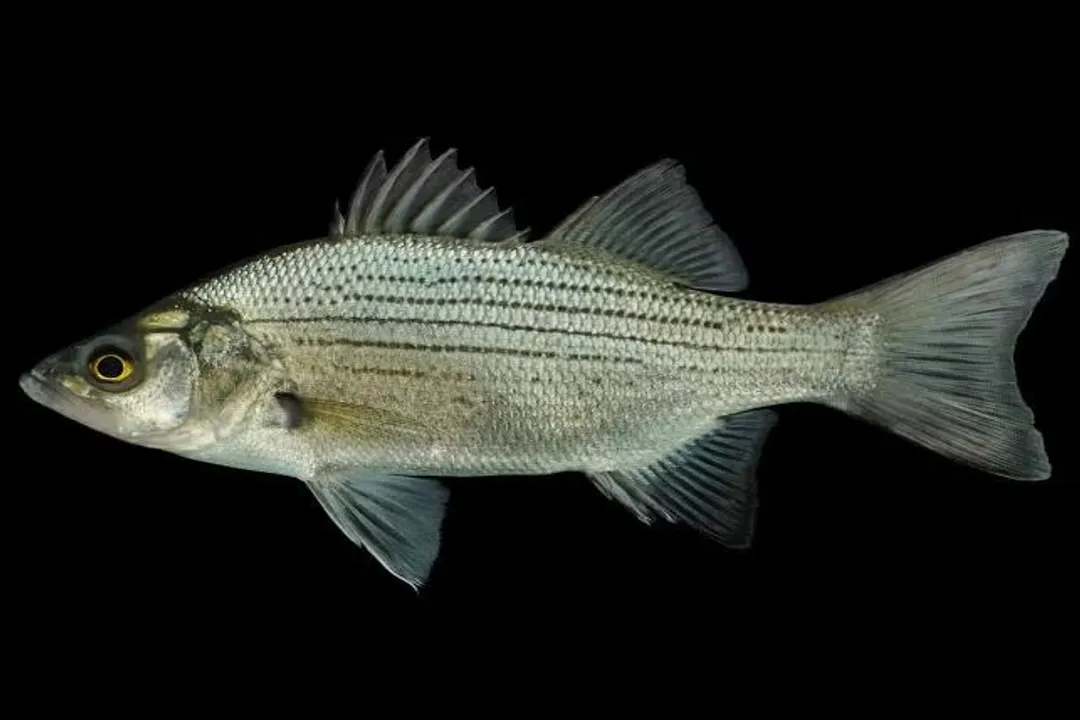
The white bass, Morone chrysops, is a highly sought-after freshwater game fish known for its aggressive feeding habits and the thrilling surface action it creates when schooling. Understanding what drives these fish to feed is essential for anglers hoping to intercept their feeding frenzies. Fundamentally, the white bass is an opportunistic predator whose menu changes significantly as it matures, moving from microscopic meals to decidedly fish-focused dining. [2][7]
# Growth Diet
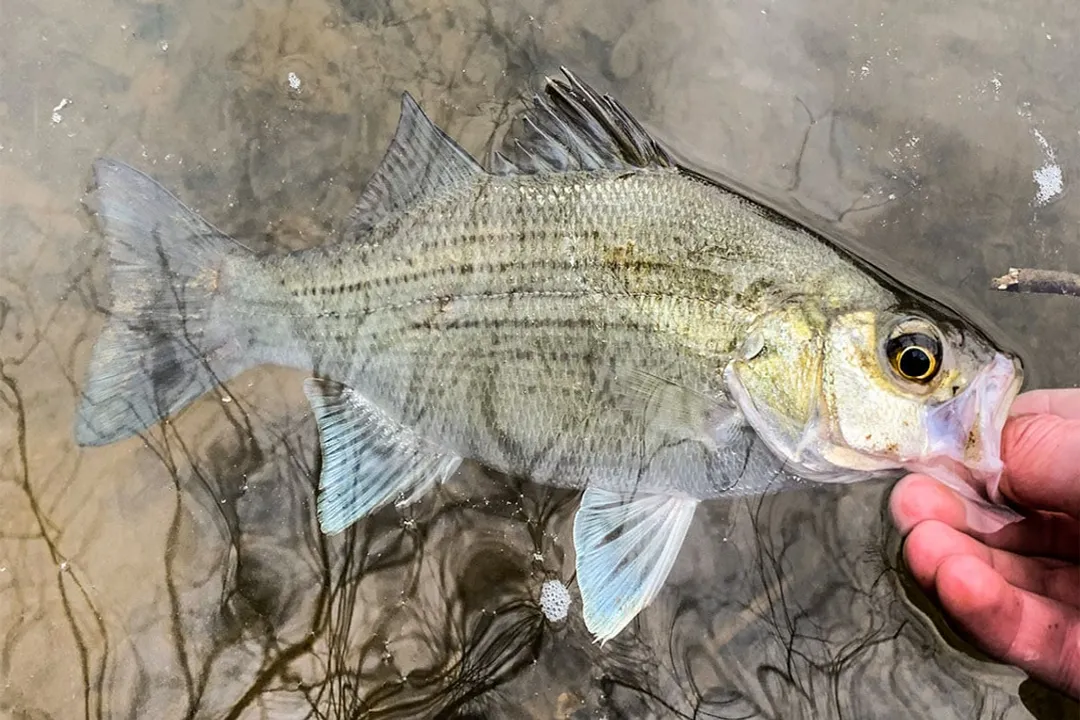
The first stage of a white bass’s life dictates a diet vastly different from the mature fish anglers typically pursue. Newly hatched white bass and the very young fry rely on the smallest available sustenance in their aquatic environment. [5][7] This initial diet is largely composed of zooplankton and minute invertebrates present in the water column. [2][5][7] As the young fish grow slightly larger, they begin to incorporate small insects into their diet, gradually increasing their reliance on moving prey over static microscopic organisms. [3][7]
This early dietary shift shows the species' inherent predatory nature even at a small size. The transition is not sudden but a progression driven by the growing mouth size and swimming capability of the juvenile fish. [2]
To better illustrate this transition, one can observe the typical food source changes correlated with the fish's life stage:
| Life Stage | Primary Food Source | Key Characteristics |
|---|---|---|
| Young/Juvenile | Zooplankton, Insects, Small Invertebrates | Relies on suspended or slow-moving prey [5][7] |
| Adult | Small Fish (Piscivorous) | Relies on active pursuit of baitfish [2][8] |
# Primary Targets
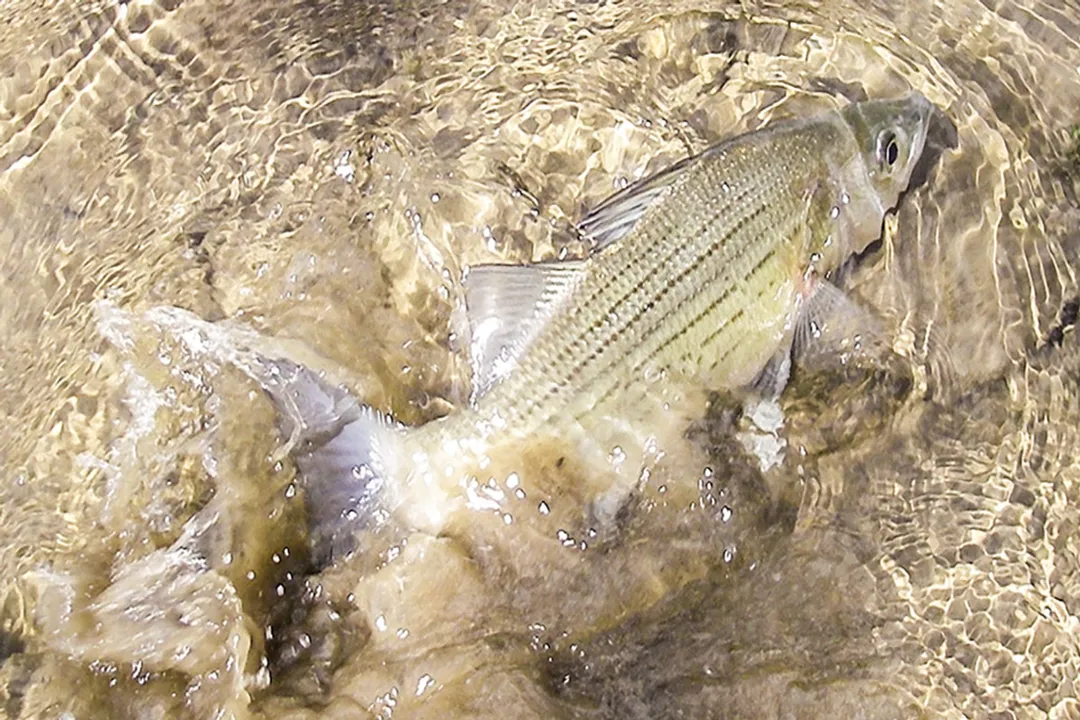
Once white bass reach maturity, their diet solidifies around a primary, high-protein source: other fish. [1][4][8] This piscivorous shift means that the availability of their preferred baitfish directly correlates with the health and size of the white bass population in a given body of water. [2][7]
The two most consistently cited staples in the adult white bass diet are shad and minnows. [1][3][6][8] This preference is so strong that if you find a large concentration of these baitfish, you have a very good chance of locating a feeding school of white bass nearby. [2][4] Whether they are targeting larval, juvenile, or small adult forms of these baitfish depends on the relative size of the predator and the prey available, but shad, in particular, are highly favored across various regions. [2][8] Crustaceans and insects, while sometimes consumed by younger adults, are largely relegated to secondary status or forgotten entirely by the largest specimens in favor of the caloric density provided by fish flesh. [3]
# Schooling Habits
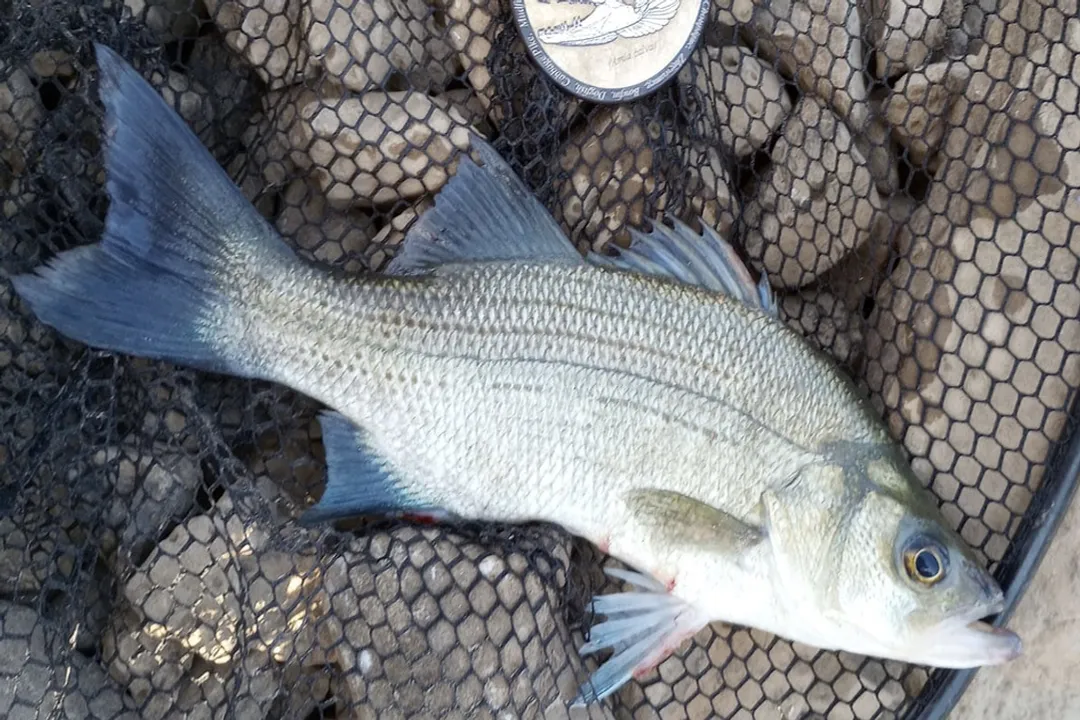
The way white bass feed is just as informative as what they eat. They are renowned schooling predators. [2][3][4] This behavior is not just a social grouping; it is a highly effective hunting strategy that allows them to overwhelm their prey. [8]
When a school of white bass locates a viable concentration of baitfish, they often coordinate their attack, driving the smaller fish toward the surface of the water. [1][4][8] This action, often called "busting," creates a highly visible disturbance on the water—splashing, chasing, and churning the surface. [6] Anglers look for these surface boils as immediate indicators that the white bass diet is being actively pursued, making it the easiest time to hook them. [1] This coordinated attack allows them to feed much more efficiently than solitary hunters, as the chaos created by the group confuses the baitfish, making escape difficult. [2]
Understanding this tendency toward group feeding suggests that if you catch one white bass, others are almost certainly close by, feeding on the same concentrated resource until it is depleted or the school scatters. [8]
# Water Factors
While shad and minnows are the standard, the feeding habits of the white bass are highly susceptible to environmental factors, particularly water conditions. [2][5] This is where an angler's local knowledge can make a substantial difference in success. If the preferred prey items—shad or minnows—are scarce due to seasonal die-offs, poor spawning success, or depth changes, the white bass will readily switch to alternative food sources they can locate and subdue. [2]
If conditions force the baitfish deeper—perhaps due to prolonged clear water or cold temperatures—the white bass must follow. While they prefer the visual spectacle of surface feeding, they are perfectly capable of hunting bait balls suspended well below the surface or near the bottom structure. [4] When they are forced into these deeper, less visible feeding zones, their reliance on visual strikes decreases. In these instances, the fish might rely more on detecting the vibrations and pressure waves created by the school of baitfish moving together rather than seeing the individual prey items breaking the surface. This subtle shift from a sight-feeding strategy to a vibration-detection strategy means that lure selection must adapt; subsurface baits that mimic schools of moving fish become much more effective than topwater lures when the action is deep. [2][7]
For instance, in large reservoirs where a cold front pushes all the shad down to a specific thermocline layer, the white bass will congregate there. Trying to catch them on the surface during this time will yield few results, even if they are actively feeding just 20 feet below. The water clarity itself influences how they feed; in stained or turbid water, visibility is inherently low, which might make them more reliant on sound or scent cues even when the bait is closer to the top compared to a situation where sunlight penetrates crystal-clear water to great depths.
# Actionable Application
Knowing that white bass prioritize schooling baitfish like shad and minnows, the best way to target them successfully involves locating the bait, not just the white bass. [2][8] This means that techniques focused on finding deep water schools of shad—often done with electronics—will reveal where the white bass are likely to be staging for an attack, regardless of whether the surface is boiling. If you spot a deep, tight mass of baitfish on your fish finder, cast vertically or use slow-moving jigs and spoons that can be worked directly through that congregation, mimicking a weak or injured baitfish that the organized school might ignore but a lone opportunistic white bass will strike. [4] By understanding their diet and how environmental factors dictate prey location, an angler can consistently predict where these aggressive predators will be feeding throughout the year.[1][2]
Related Questions
#Citations
White Bass (Morone chrysops) - Texas Parks and Wildlife
White Bass | A Comprehensive Species Guide - Wired2Fish
White bass - Wikipedia
Learn About the White Bass – Fishing | Guidesly
White Bass - Virginia Department of Wildlife Resources
White Bass, January 2014, Fish of the Month! - Hook & Hackle
White Bass (Morone chrysops) | U.S. Fish & Wildlife Service
White Bass - Missouri Department of Conservation
Eating White Bass - Other Fish Species - Bass Fishing Forums
What are white bass and are they edible? - Facebook