White Catfish Diet
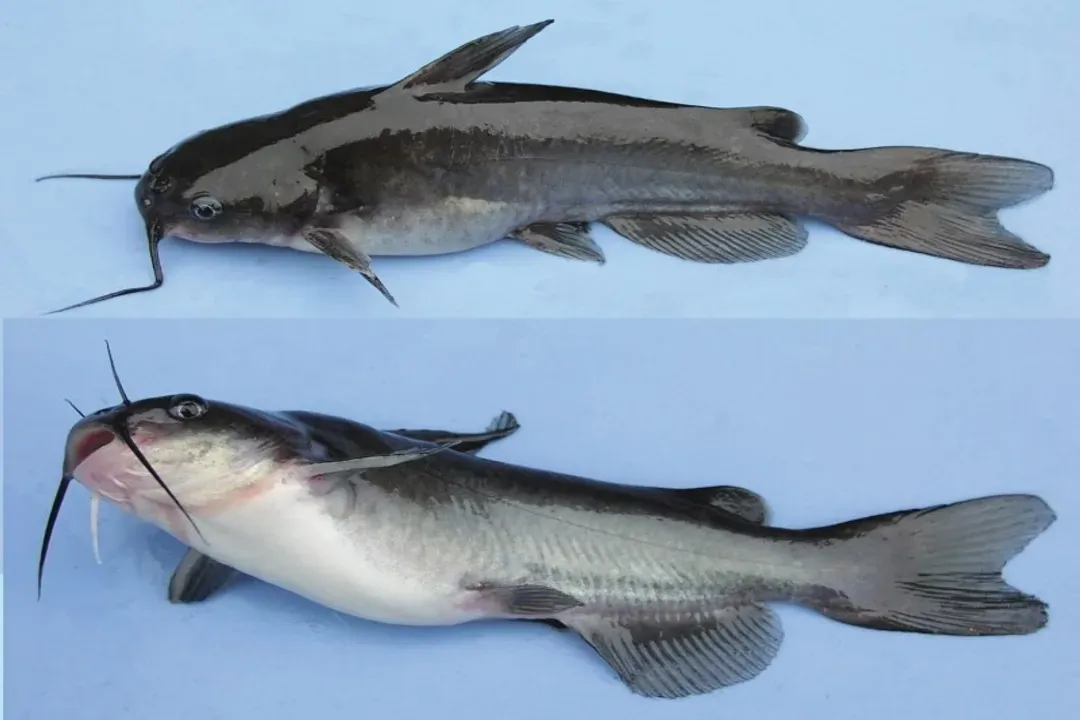
The white catfish, Ameiurus catus, is a common sight in many freshwater systems across the Eastern United States, yet its dietary habits often receive less attention than its more famous, larger cousins. Understanding what this species consumes is fundamental to appreciating its success as an adaptable inhabitant of rivers, lakes, and estuaries. This fish is not a specialist; rather, it thrives by embracing a remarkably varied menu available in its benthic environment. [1]
# Feeding Classification
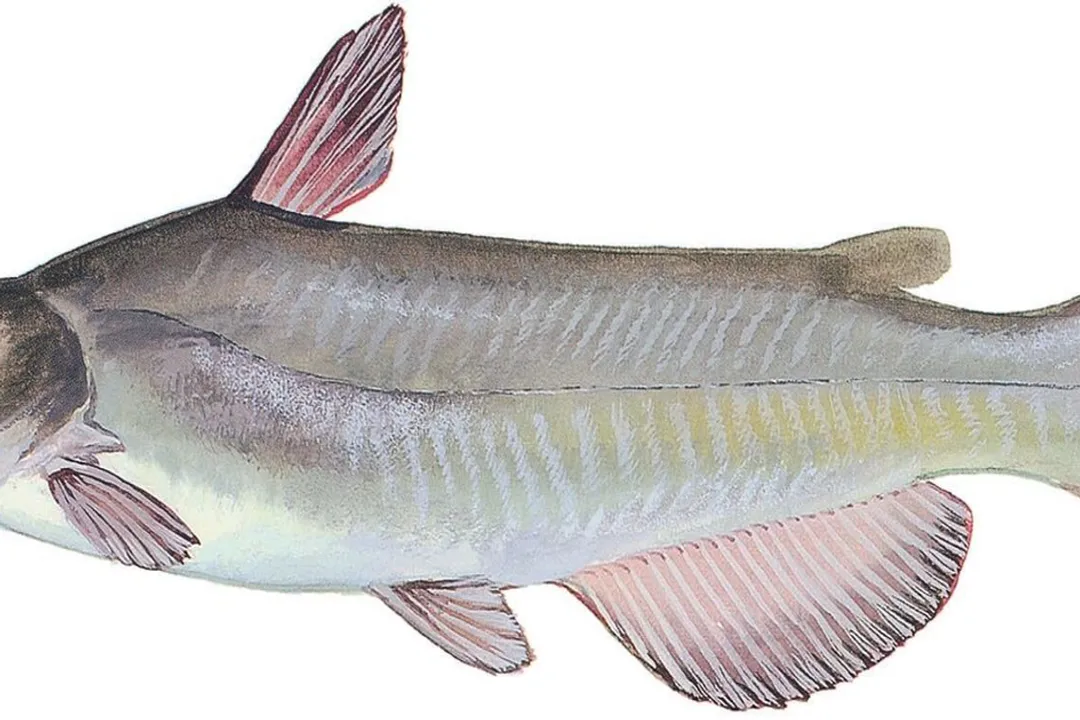
The white catfish is classified firmly as an omnivore. [1][2][8] This designation immediately tells us that its survival is not dependent on a single food source, which is a significant advantage in environments where food availability can fluctuate dramatically throughout the seasons or following weather events. As an omnivore, its diet encompasses both animal matter and plant material. [2][8]
Perhaps more defining than what they eat is where they eat. White catfish are characteristically bottom feeders. [2][8] They patrol the substrate, using their highly developed senses—particularly their barbels, which are equipped with taste buds—to locate food items lying on or buried slightly within the mud, sand, or gravel. [1] This behavior dictates the types of prey they are most likely to encounter and consume regularly.
# Varied Menu
The sheer breadth of the white catfish's diet is a testament to its opportunistic nature. [1] While their primary feeding zone is the bottom, the items they procure there are diverse, ranging from mobile invertebrates to stationary plant matter and unfortunate deceased organisms.
# Animal Prey
The bulk of the caloric intake for white catfish generally comes from animal sources. [8] One of the most frequently cited categories of prey includes aquatic insects and their larvae. [1][2][7] These small, numerous food items provide a consistent source of protein.
Another major component of their diet consists of crustaceans, most notably crayfish. [1][2][7] Large crayfish can represent a substantial meal for a smaller catfish, providing significant energy in a single catch. Mollusks also make occasional appearances on their menu. [1]
Smaller members of the aquatic community are also susceptible to predation. White catfish will readily consume small fish. [1][2][7] While they might not actively pursue fast-swimming, large predators, any slow-moving, injured, or newly hatched fish in their immediate vicinity is fair game. Rounding out the animal protein side are worms. [1][2] Whether they are earthworms washed in from the banks or native aquatic worms, they are easily detected by the catfish’s sensory apparatus. [7]
# Plant Matter and Scavenging
What separates the white catfish from a purely carnivorous bottom feeder is its willingness to consume plant material. [2][8] This may include algae, submerged aquatic vegetation, or seeds and fruits that have fallen into the water. [1] This dietary flexibility is crucial during times of low invertebrate activity, such as in the dead of winter or during certain periods of drought when aquatic insect populations might crash. [1]
Equally important is their role as scavengers. [2][8] White catfish will readily consume carrion—dead or decaying organic matter found on the bottom. [1][8] This behavior not only provides them with an easy meal but also serves an ecological function by helping to clean the waterway of potential pollutants or decaying biomass.
The following table summarizes the major confirmed dietary components based on regional observation:
| Food Category | Specific Examples Noted | Primary Feeding Method | Citation Support |
|---|---|---|---|
| Invertebrates | Aquatic insects, larvae | Benthic foraging | [1][2][7] |
| Crustaceans | Crayfish | Foraging, crushing | [1][2][7] |
| Vertebrates | Small fish | Opportunistic predation | [1][2][7] |
| Organic Material | Worms | Benthic foraging | [1][2] |
| Flora | Plant material, seeds | Grazing, scavenging | [1][2][8] |
| Detritus | Carrion | Scavenging | [2][8] |
# Opportunism and Adaptability
The ability of the white catfish to consume virtually anything edible—from a live water beetle to a piece of leaf litter—is central to its wide distribution across various water types. [1] In systems like the Chesapeake Bay tributaries, where salinity can fluctuate, this dietary adaptability allows the white catfish to maintain a strong presence where more specialized feeders might struggle. [2]
Consider a scenario in a shallow, late-summer pond where oxygen levels are dipping and only the bottom-dwelling macroinvertebrates are active; the white catfish can subsist on these, supplemented by any decaying material sinking to the floor. [1] Contrast this with a fast-moving, clear river section during the spring hatch when flying insects are abundant; the catfish will shift its focus to catching terrestrial insects that land on the surface or are washed in, alongside its usual benthic routine. [1] This constant menu adjustment means that successful anglers targeting them must recognize that a single "best bait" may not always be universally effective across different times of the year or different water bodies. [8] If one component of their diet temporarily vanishes, they have several established backups ready to fill the void.
When thinking about stocking or managing a pond specifically for these fish, understanding this broad appetite suggests that maintaining a healthy, diverse benthic community is more important than trying to artificially cultivate a single, preferred food item. A well-balanced ecosystem naturally feeds the white catfish.
# Angling Implications
For those interested in catching white catfish, their diet provides direct clues for bait selection. Since they are bottom-oriented omnivores, baits that mimic their natural prey or those that release a strong scent trail along the substrate tend to be the most effective. [8]
Baits that imitate their favored animal prey are often high-performers. This includes cut bait—pieces of fish that mimic carrion—or prepared stink baits designed to mimic decaying organic matter or strong-smelling worms. [8] Naturally, live or cut worms, small pieces of crayfish tail, or minnows, especially those that stay near the bottom, are excellent choices mirroring their preference for crustaceans and small fish. [1][7]
However, it is important not to ignore the plant-based aspect of their feeding, though it is often less targeted by anglers. While a direct lure mimicking algae might not be common, the general principle is that the white catfish is not a fussy predator; it is an opportunist looking for an easy calorie source near the bottom. [1][8] If you are fishing for another species near the bottom and using something like chicken liver or dough bait (which often contains vegetable matter or strong scents), you are directly catering to the white catfish’s omnivorous tendencies. [8] An insightful angler recognizes that while a bright spinner might catch a passing fish, a smelly, stationary bait placed directly on the bottom often catches the fish that lives on the bottom and is actively seeking its typical meal profile. [2]

# Diet and Habitat Connection
The feeding habits of the white catfish are inextricably linked to where they are found. They generally prefer habitats with slow currents, such as lakes, large ponds, and the lower reaches of rivers. [1] These slower environments are conducive to the accumulation of detritus, decaying plant matter, and the slower-moving invertebrates that make up a large portion of their diet. [2][8]
In brackish waters, such as the tidal rivers of the Chesapeake Bay watershed, the white catfish's flexibility truly shines. [2] The salinity changes can stress more specialized freshwater species, yet the white catfish continues to find adequate sustenance among the adaptable invertebrates and organic matter that persist in these variable zones. [2] This reliance on a widely available food base, rather than specialized prey that might only exist in very specific salinity or temperature ranges, contributes significantly to their broader ecological success compared to some other freshwater fish species. [1] Their diet isn't just a list of food items; it’s an ecological strategy that permits residence in diverse, sometimes challenging, aquatic settings. [1]
# Growth and Consumption
While the sources confirm what they eat, an understanding of their growth provides context for how much they must consume. White catfish are known for growing to considerable sizes, sometimes exceeding 15 inches in length, though size varies significantly by region and water quality. [1][6] For any fish to achieve this growth, consistent and energy-rich feeding is required throughout its life stages. [7] Younger fish likely focus more heavily on smaller invertebrates like insect larvae, while larger adults can capitalize on bigger prey items like crayfish and small fish, or simply consume more bulk organic material. [1]
It is worth noting that in certain areas, like South Carolina, their distribution is often described in terms of preference for blackwater and slow-moving systems, reinforcing the idea that their preferred food sources—rich in detritus and benthic life—are abundant there. [7] This ties back to the omnivorous label; they are not waiting for the perfect trout stream food source; they are thriving wherever organic material settles and invertebrates crawl along the bottom. [2][8] This generalized feeding approach ensures that when conditions are perfect, they grow well, and when conditions are tough, they can often sustain themselves on less desirable food sources until better opportunities arise. [1]
Related Questions
#Citations
Learn About the White Catfish – Fishing | Guidesly
White Catfish Ameiurus catus - Chesapeake Bay Program
White Catfish - FWC
Does anyone eat white catfish? : r/Fishing - Reddit
[PDF] Fish Facts: White Catfish
Fish & Wildlife | White Catfish - NJDEP
[PDF] White Catfish Ameiurus catus
Lake Lanier's Other Catfish - LandBigFish.com
White Catfish - Delaware Fish Facts for The Recreational Angler