White Marlin Diet
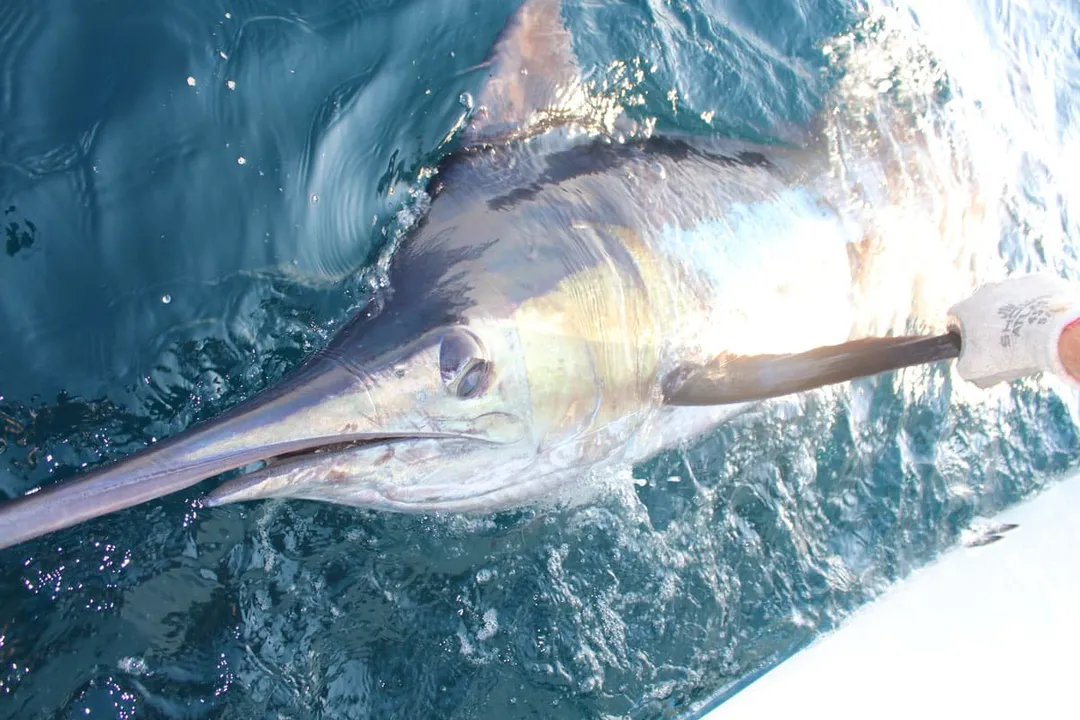
The white marlin, Kajikia albida, cuts a distinctive figure in the warm Atlantic waters, recognized as the smallest of the true marlins. This agile predator sits high in the pelagic food chain, fueling its constant movement and migratory nature with a diet composed almost entirely of fast-moving prey from the water column. Understanding what sustains this species is key to appreciating its behavior, from its dramatic surface displays to its deep, energy-intensive dives.
# Principal Targets
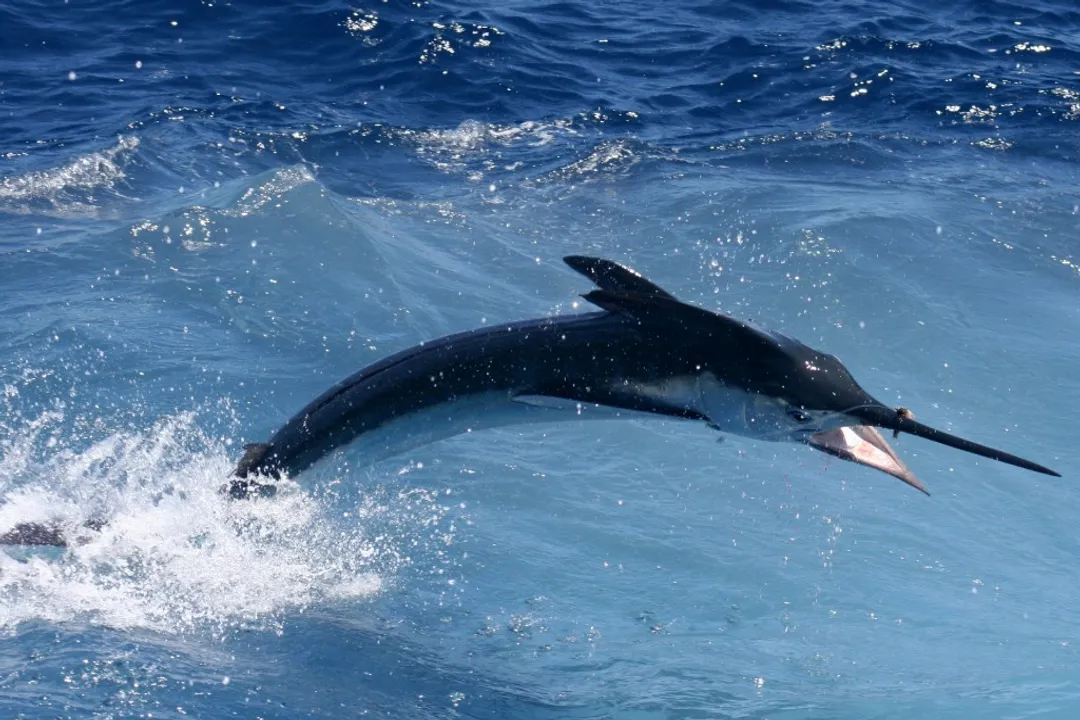
The white marlin’s diet is defined by opportunism and availability, centering overwhelmingly on cephalopods and bony fishes. While they are generally considered carnivorous of first and second order, consuming various prey, specific regional studies highlight which items dominate their intake.
When recreational anglers target these fish across the US East Coast, common successful baits—which often mirror natural prey—include mullet, mackerel, herring, and squid. Other frequently mentioned items include flying fish, small tunas, bonito, and mahi-mahi (dolphinfish). The presence of small crustaceans in their diet is generally considered accidental due to their lack of gill rakers for filtering small suspended matter.
# South Atlantic Study
A scientific examination of white marlin stomachs from the southwestern equatorial Atlantic provided a more detailed look at dietary priorities, ranked by the Index of Relative Importance (IRI). In this specific region, the single most important prey item, accounting for $27.9%$ of occurrences, was the flying gurnard, Dactylopterus volitans. The second most significant item was the Atlantic bird squid, Ornithoteuthis antillarum, making up $21.2%$ of occurrences. This study also identified other pelagic fishes such as Gempylus serpens and Coryphaena hippurus (mahi-mahi) as important, alongside various other squid families like Ommastrephidae. Crucially, the analysis showed that the majority of these prey items were quite small, averaging around in body length, with many being juvenile stages.
This focus on the flying gurnard—a species known to have brephoepipelagic (coastal juveniles, pelagic adults) characteristics—suggests that white marlin actively seek out areas where the deep ocean structure, like seamounts and canyons, attracts life from shallower or benthic zones, rather than strictly pursuing the largest open-ocean aggregations. This behavioral link to structure is a recurring theme in observations of where these fish are found.
# Hunting Tactics
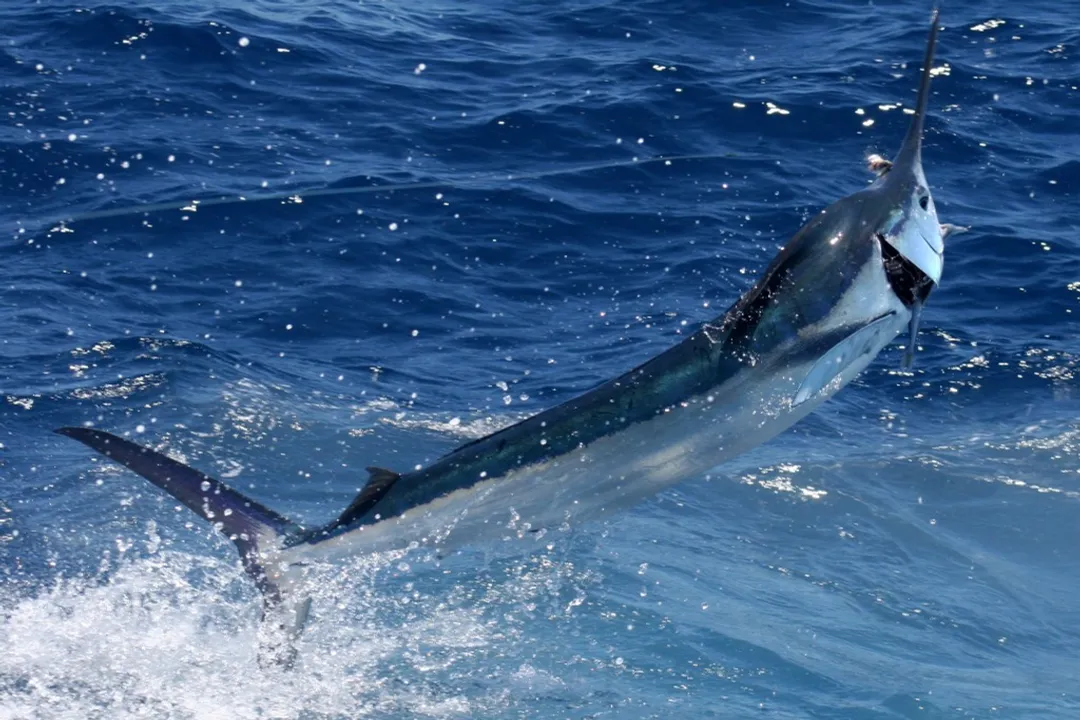
White marlin are adept hunters, characterized by high speed and exceptional vision, feeding primarily during daylight hours. They employ their characteristic long, slender bill both as a sensory aid and a weapon.
# Bill Use Comparison
Like other billfish, the rostrum (bill) is essential for feeding, used to slash and swipe at prey. However, a notable difference observed through stomach content analysis is that the majority of white marlin prey items show no slashing marks, unlike those found in swordfish stomachs. This suggests that the white marlin's primary method of securing a meal is through sheer speed and pursuit, often overtaking or stunning the fish before consumption, rather than relying solely on disabling it with the bill first. They are skilled, swift ambush predators.
# Vertical Foraging
While they spend about half their time near the warm surface—a behavior scientists believe is linked to thermoregulation and maintaining cardiac function—their most serious feeding often occurs much deeper. Satellite telemetry shows white marlin making V-shaped or extended U-shaped dives that can exceed $100$ fathoms, particularly in warmer southern waters. These deeper dives are believed to target deep-water fish and cuttlefish. The structure of the dive suggests they spot prey silhouetted from below, then rise to intercept it at a specific depth, which explains why they are sometimes caught on deep-dropped baits intended for species like swordfish.
# Cooperative Feeding
White marlin are generally solitary or found in pairs, but they show a capacity for coordinated group feeding when resources are concentrated. In the presence of large schools of bait, such as sardines, groups of white marlin have been observed working together to herd the prey into a tighter ball, driving them toward the surface, which facilitates easy feeding for the whole group. This pack mentality during feeding events is when anglers often see the most aggressive surface action.
# Locational Influences
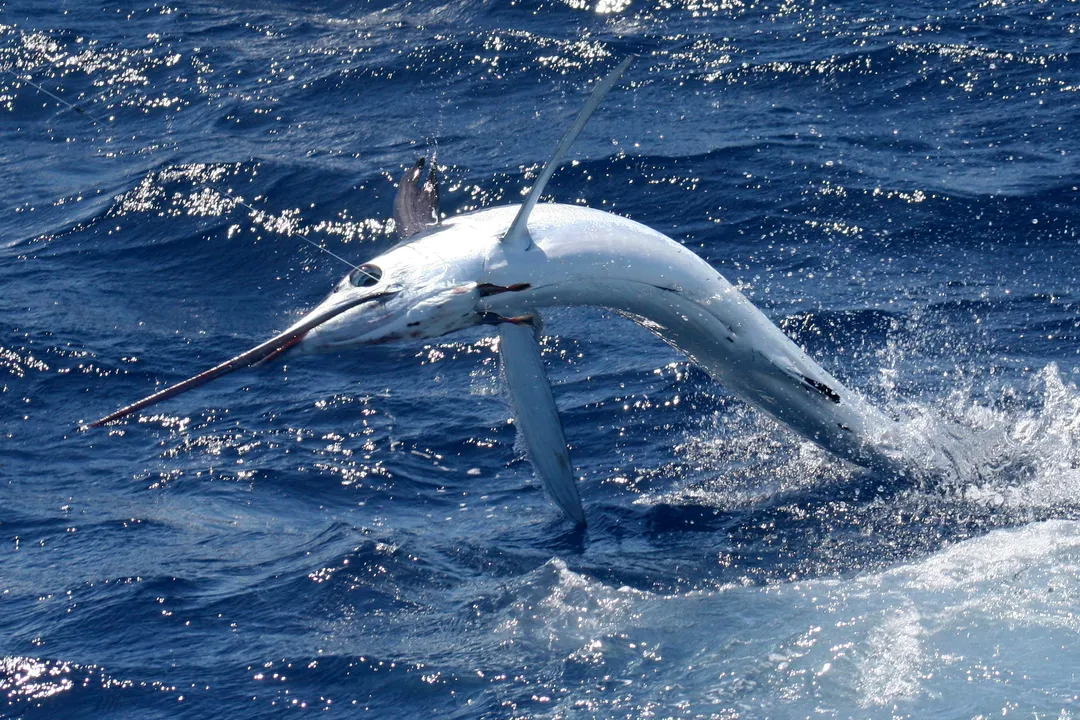
The diet of the white marlin is highly flexible, adapting to what is seasonally and geographically present, particularly since they are highly migratory and follow temperature gradients. Their presence is strongly tied to water temperatures, generally preferring surface temperatures above or , and they follow the warm Gulf Stream north during summer months.
In the temperate summer zones, such as off the coast of Massachusetts down to North Carolina, local prey like round herring are commonly consumed in that region. Given that white marlin must feed continuously to sustain their high metabolism and long migrations, the availability of dense bait aggregations near oceanic features—like temperature breaks, weed lines, or current eddies—is more important than any single species preference. The presence of these confluences creates nutrient-rich upwellings that draw in the small fish and squid that constitute their meals.
When considering what a white marlin might eat, thinking about where it is traveling is as informative as knowing what it is. For instance, the late summer feeding frenzies often reported along the Mid-Atlantic coast correspond directly to the seasonal warming of the shelf waters, which concentrates migratory baitfish like mackerel and menhaden into predictable zones. If that bait is schooling near the bottom or within a canyon wall, the marlin will dive to that structure to feed, showing less preference for purely surface-level feeding when a substantial, deeper meal is present.
# Angler Application
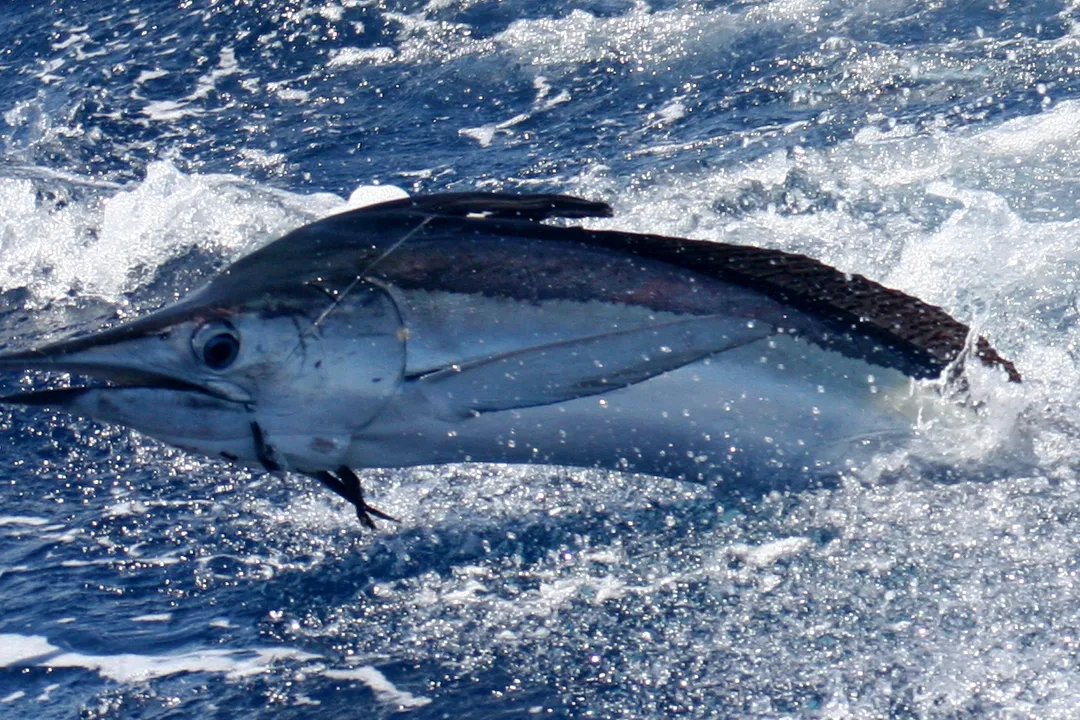
For the sport angler pursuing these magnificent fish, understanding their dietary preferences and feeding mechanics translates directly into successful presentation tactics. Since white marlin are often competing with other large pelagics like yellowfin tuna and blue marlin, but generally prefer smaller forage items—with an average consumed length around in one study—the size of the presentation matters.
While trolling large lures works, especially when trying to draw a reaction strike from a cruising fish, success often hinges on matching the local forage in size and profile. Because white marlin are such sight-oriented, fast-moving predators with exceptional low-light vision, bait presentation needs to be subtle yet noticeable. When fishing a spread, ensuring you have offerings that cover the vertical range of their feeding activity—from surface teasers down to rigged baits suspended $20$ fathoms deep—maximizes your chances of encountering a fish that is actively diving rather than just cruising the surface to warm up. Furthermore, given the documented survival benefits, using circle hooks when pitching natural baits is highly recommended; the mortality rate for released white marlin caught on J-hooks is significantly higher than those caught on circle hooks.
Related Questions
#Citations
White Marlin – Discover Fishes - Florida Museum of Natural History
[PDF] diet of the white marlin (tetrapturus albidus) from the southwestern ...
White Marlin | Healthy Grin Sport Fishing
White marlin - Wikipedia
White Marlin - The Billfish Foundation
Species Profile – White Marlin - SatFish
White Marlin - BigWater Adventures
Maryland Fish Facts - White Marlin
White Marlin | Virginia Beach Fishing Charters | Matador